
Jodhpur Unveiled: Top 3 Must-See Landmarks You Can’t Miss

Elevate Your Wedding Experience with Easy Taxi Services
February 10, 2026Unveil Rajasthan’s Golden City with Exclusive Jaisalmer Tour Packages
February 10, 2026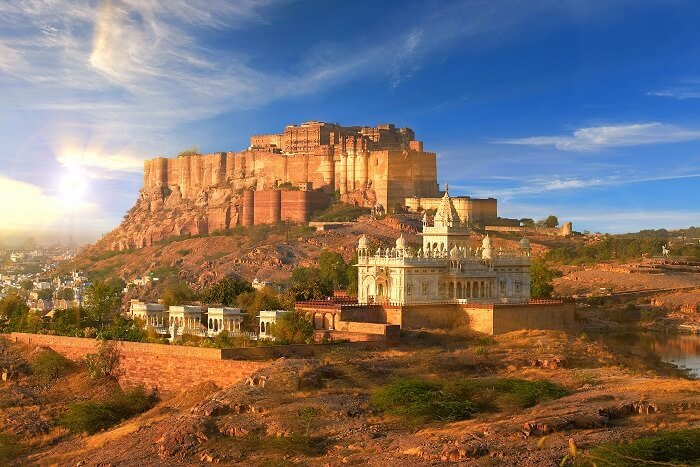
Jodhpur, the legendary “Blue City” of Rajasthan, is a place where every corner tells a story of chivalry, culture, and architectural brilliance. As you plan your visit to this sun-drenched landscape in 2026, the sheer number of palaces and markets can feel overwhelming. To truly experience the essence of the Marwar region, embarking on a Jodhpur sightseeing tour is the most efficient way to navigate the winding streets and reach the towering citadels that define the skyline. Whether you are a solo traveler seeking peace in marble cenotaphs or a family looking to immerse yourselves in royal history, the city offers a timeless charm that remains untouched by the rapid pace of modern tourism. From the heights of massive fortresses to the intricate details of royal memorials, let’s explore the three essential landmarks that deserve the top spot on your itinerary.
The Mighty Mehrangarh Fort: A Sentinel of History
Standing 400 feet above the city on a perpendicular cliff, Mehrangarh Fort is more than just a monument; it is the soul of Jodhpur. Founded in 1459 by Rao Jodha, this fortress is one of the largest and most well-preserved in all of India. As you approach the massive gates, particularly the Jayapol (Gate of Victory) built by Maharaja Man Singh to celebrate his wins over Jaipur and Bikaner, you can feel the weight of centuries of history. The walls are so thick and imposing that they seem to grow directly out of the rocky hill itself.
Inside, the fort transitions from a rugged military structure into a delicate artistic masterpiece. The museum housed within the fort is widely considered one of the best in Rajasthan, featuring an incredible collection of royal palanquins, elephant howdahs, and a glittering array of weaponry. The Sheesh Mahal (Hall of Mirrors) and the Phool Mahal (Flower Hall) showcase the opulence of the Rathore rulers, with intricate gold leaf work and vibrant stained glass. For the best experience, visit in the early morning or late afternoon when the sun hits the “Blue City” houses below, creating a sapphire sea that stretches as far as the eye can see.
Jaswant Thada: The Taj Mahal of Marwar
A short distance from the bustling gates of Mehrangarh lies the tranquil Jaswant Thada. Often referred to as the “Taj Mahal of Marwar,” this elegant cenotaph was built in 1899 by Maharaja Sardar Singh in memory of his father, Maharaja Jaswant Singh II. Unlike the red sandstone of the fort, Jaswant Thada is constructed from thin, polished sheets of white Makrana marble. These stones are so finely carved that they emit a warm, ethereal glow when illuminated by the Rajasthan sun.
The site is a peaceful oasis away from the city’s chaos. It features a tiered garden, a small lake, and intricately carved gazebos. Walking through the grounds, you will notice the memorial’s detailed carvings, which depict the various rulers of Jodhpur with immense precision. It serves as the traditional cremation ground for the Jodhpur royal family, and the serene atmosphere makes it the perfect place for reflection. Local musicians often sit near the entrance, playing the Ravanahatha, adding a hauntingly beautiful soundtrack to your visit. For travelers looking to move between these iconic spots with ease and comfort, hiring a reliable taxi service in jodhpur ensures you don’t waste precious time looking for transport in the desert heat.
Umaid Bhawan Palace: A Modern Marvel of Sandstone
The third landmark you simply cannot miss is the Umaid Bhawan Palace, a relatively “modern” addition to the city’s architectural heritage. Completed in 1943, it was one of the last great palaces to be built in India. Interestingly, it was commissioned by Maharaja Umaid Singh as a famine relief project to provide employment to the local people during a period of severe drought. Today, the palace is divided into three parts: the residence of the royal family, a luxury heritage hotel managed by Taj, and a fascinating museum open to the public.
The palace is built using “Chittar” sandstone, which gives it a distinct golden hue. The architectural style is a unique blend of Western Art Deco and traditional Indian motifs, featuring a massive 105-foot high central dome. In the museum, you can view a spectacular collection of vintage cars, clocks, and photographs that document the transition of Jodhpur into the modern era. The sprawling gardens are often visited by peacocks, adding to the regal atmosphere. Visiting Umaid Bhawan provides a deep look into the lives of the modern royals and the philanthropic history of the Rathore dynasty.
Navigating the Best of the Blue City
Beyond these three giants, Jodhpur is filled with hidden gems like the Toorji Ka Jhalra (a stunning 18th-century stepwell) and the vibrant Sardar Market near the Clock Tower. When you are deciding on the various Things to Do in Jodhpur, it is helpful to plan your route to minimize travel time between the old city and the newer developments. The narrow lanes of the old town are best explored on foot or via a pre-arranged drop-off, while the palaces and gardens on the outskirts require a more robust transport plan.
To make the most of your trip, consider visiting during the winter months (October to March) when the weather is pleasant for walking and exploring the high ramparts of the fort. Jodhpur remains a city that rewards those who take the time to look past the surface—whether it’s through the stories told by a local guide or the simple joy of watching the sunset over the desert. By visiting these top three landmarks, you capture the historical, emotional, and cultural essence of one of India’s most captivating cities.