
Beyond History: Meeting the 3,000 Residents of Jaisalmer Fort

From Royalty to Romance: What Makes Udaipur Rajasthan’s Most Beloved City?
February 24, 2026
The Ultimate Bridal Beauty Timeline: Expert Tips & Tricks
February 26, 2026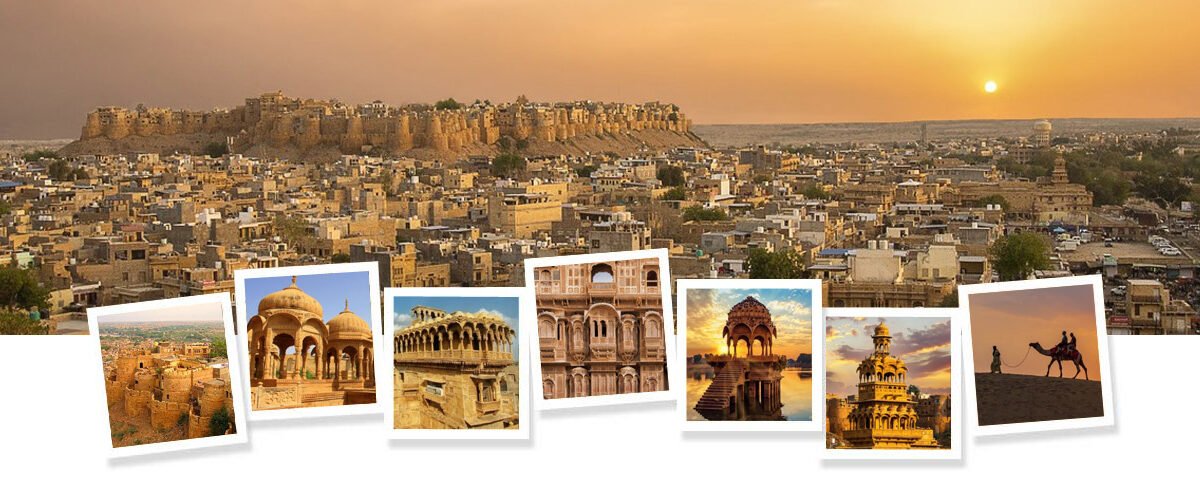
Most historical monuments are echoes of the past, preserved in silence and cordoned off by velvet ropes. Jaisalmer Fort, however, breathes. Known locally as Sonar Qila or the Golden Fort, it stands as one of the world’s very few “living forts.” While its honey-hued sandstone ramparts tell stories of medieval battles and royal processions, the true heartbeat of this UNESCO World Heritage site lies within its narrow, winding lanes. Here, approximately 3,000 residents continue to live, work, and pray, maintaining a continuous lineage that dates back centuries. For those seeking an authentic 01 Night 2 days Sam Sand Dunes Package, understanding the living culture of the fort is the essential first chapter of any Thar Desert odyssey.
The Living Legacy of Sonar Qila
Entering the fort through its massive wooden gates is like stepping through a portal in time. Unlike the deserted citadels of Jaipur or Jodhpur, Jaisalmer Fort is a bustling ecosystem. The 3,000 inhabitants are primarily descendants of the Brahmin and Rajput families who once served the Maharawals. As you walk the cobblestone paths, you aren’t just a tourist; you are a guest in a neighborhood. You’ll see elderly men sharing a hookah on stone porches (protes), women in vibrant veils drying spicy chilies in the sun, and children playing cricket against walls that have stood since 1156 AD. This continuity of life provides an unparalleled level of “Experience” in E-E-A-T terms, as the culture isn’t curated for a museum—it is lived daily.
Architectural Intimacy and Daily Life
The architecture of the fort is a masterclass in desert survival and community planning. The houses are built closely together, creating natural shade that keeps the walkways remarkably cool even when the Rajasthani sun is at its peak. Every balcony (jharokha) is a piece of art, intricately carved from soft yellow sandstone to allow ventilation while ensuring privacy. Living in such close quarters has fostered a unique social fabric. Residents share communal spaces and celebrate festivals like Diwali and Holi with a collective fervor that fills the entire fort with light and color. For travelers, staying at a Desert camp in Jaisalmer offers a stark, beautiful contrast to this dense, urban fortress life, allowing one to appreciate the two different sides of Jaisalmer’s identity.
Preserving a Fragile Heritage
Living inside a 12th-century monument comes with significant responsibilities and challenges. The residents are the primary custodians of this heritage, yet the modern world brings pressures. With the rise of tourism, many traditional homes have been converted into quaint guesthouses, rooftop cafes, and handicraft shops. While this provides economic stability, the influx of water usage in a structure built without a modern drainage system poses a threat to the fort’s foundations. The local community and various NGOs work tirelessly to balance modern comforts with structural preservation. When you visit, engaging with local artisans—the silversmiths, the weavers, and the painters—directly supports the families who have kept the spirit of the Golden Fort alive for generations.
The Flavors of the Fort
Food within the fort walls is an extension of the local hospitality. Many households offer traditional Rajasthani thalis that feature desert staples like Ker Sangri, Gatte ki Sabzi, and Bajra Roti. These recipes have been passed down through oral tradition, representing the “Expertise” of desert culinary arts. The aroma of spices wafting through the alleys is a sensory bridge to the past. However, the culinary journey of Jaisalmer isn’t complete until you leave the stone walls for the open horizon. After exploring the domestic life of the fort, many visitors head to the Thar for a Dinner in Sand Dunes Jaisalmer, where the intimacy of the fort is replaced by the infinite canopy of the desert sky.
A Community Beyond the Walls
The relationship between the fort residents and the surrounding desert is symbiotic. Many of the families living within the ramparts have ancestral ties to the nomadic tribes and camel herders of the Sam Sand Dunes. During the day, the fort is a center of commerce and tradition; by night, the focus shifts to the quiet majesty of the dunes. This duality is what makes Jaisalmer unique. You can spend your morning discussing local history with a fort elder who knows every stone’s story and your evening sitting by a campfire, listening to folk musicians whose songs have echoed across the sands for centuries.
Why the Living Fort Matters
Jaisalmer Fort is a reminder that history isn’t just about the people who built the walls, but about the people who refused to leave them. The 3,000 residents offer a human connection that most monuments lack. They provide the “Trustworthiness” of a shared history. They are the storytellers, the cooks, the guides, and the guardians. When you walk through the fort, you are witnessing a survival of culture against the odds of time and climate. It is this human element that transforms Jaisalmer from a mere destination into a deeply personal experience.
From Stone to Sand: Completing the Journey
As the sun begins to set, the yellow sandstone of the fort glows with an internal fire, earning its “Golden” moniker. This is the time when the residents gather on the ramparts to watch the horizon, a ritual that has likely remained unchanged for 800 years. For the traveler, this transition marks the perfect moment to head toward the Sam Sand Dunes. The transition from the crowded, vibrant life of the fort to the serene, golden isolation of a desert camp provides a complete perspective of the region. It is a journey from the heart of human civilization to the soul of the natural wilderness.
Conclusion
Visiting Jaisalmer Fort and meeting its 3,000 residents is an exercise in humility and wonder. It challenges our perception of history as something “finished” and presents it as something “flowing.” By respecting the local customs, supporting the fort’s economy, and learning from the people who call these ramparts home, visitors contribute to the ongoing story of Sonar Qila. Whether you are exploring the intricate Jain temples within the walls or preparing for a night under the stars in the Thar, remember that Jaisalmer is defined by its people—the living legends of the Golden Fort.