
Must-See Rajasthan: A Guide to the State’s Top 3 Cities

The Quiet Sands: My Authentic Jaisalmer Overnight Safari
March 9, 2026Jaisalmer Safari Guide: Camels, Jeeps, and Sand Dunes
March 9, 2026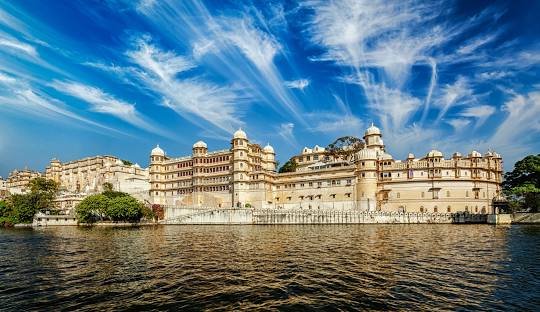
Rajasthan is a land where history isn’t just found in textbooks; it breathes through the sandstone walls of towering forts and reflects in the shimmering waters of man-made lakes. For any traveler planning a journey through India’s royal corridor, choosing a reliable tour operator in rajasthan is the first step toward an authentic experience. Navigating the vast “Land of Kings” requires local insight to truly appreciate the nuanced differences between the vibrant pink streets of Jaipur, the golden dunes of Jaisalmer, and the romantic ghats of Udaipur. This guide explores these three foundational pillars of Rajasthani tourism, offering a glimpse into the architecture, culture, and spirit that define them.
Jaipur: The Gateway to Royalty
Commonly known as the Pink City, Jaipur serves as the perfect introduction to the state’s grandeur. Founded in 1727 by Maharaja Sawai Jai Singh II, it is one of India’s earliest planned cities. The terracotta-pink hue of the Old City—painted in 1876 to welcome the Prince of Wales—remains a symbol of hospitality.
A visit to Jaipur is incomplete without exploring the Amber Fort. Perched on a hill, this limestone and marble marvel showcases the seamless blend of Hindu and Mughal architecture. Inside, the Sheesh Mahal (Mirror Palace) dazzles visitors with thousands of tiny mirror tiles that illuminate the room with a single candle. Back in the city center, the Hawa Mahal, or Palace of Winds, stands as an iconic five-story facade with 953 small windows designed to allow royal women to observe street festivities without being seen. If you are looking for an affordable way to witness these architectural wonders, exploring various Rajasthan Budget Tour Packages can help you cover the major landmarks of the Golden Triangle without overextending your finances.
Udaipur: The Venice of the East
While Jaipur is defined by its rugged forts, Udaipur is defined by its water. Often cited as the most romantic city in India, Udaipur is centered around the serene Lake Pichola. The City Palace complex, which dominates the lake’s eastern bank, is a labyrinth of courtyards, pavilions, and hanging gardens. It is a testament to the resilience of the Mewar dynasty, offering panoramic views of the Monsoon Palace on the distant hills.
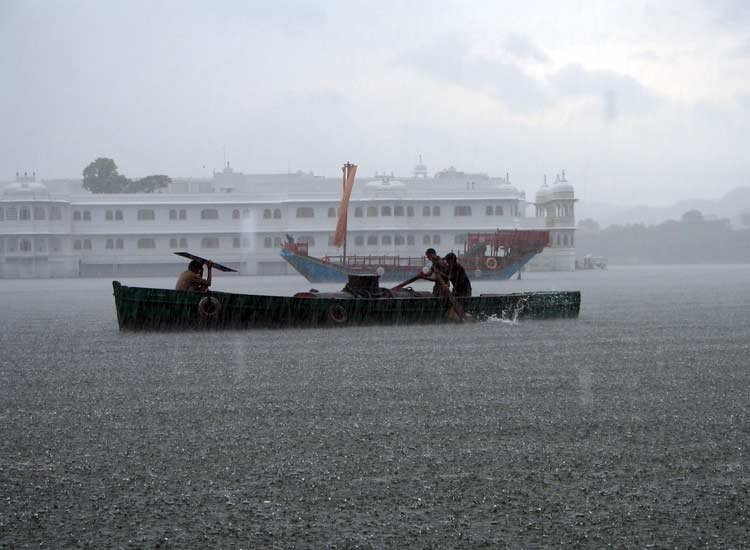
The Jag Mandir and the Lake Palace appear like white marble illusions floating on the water. Beyond the royalty, Udaipur offers a peek into traditional life at Bagore Ki Haveli, where evening folk dances showcase the rhythmic heritage of the desert. For those seeking a comprehensive Rajasthan holiday tour, Udaipur often serves as the soul of the itinerary, providing a tranquil contrast to the bustling energy of other northern cities. The local markets, filled with miniature paintings and silver jewelry, offer a tactile connection to the craftsmanship that has been passed down through generations.
Jaisalmer: The Golden Fortress
Deep in the heart of the Thar Desert lies Jaisalmer, a city that feels as though it has been carved directly from the earth. The Jaisalmer Fort, unlike many others in India, is a “living fort.” Roughly one-quarter of the old city’s population still resides within its walls, making it a vibrant ecosystem of homes, shops, and ancient Jain temples.
The yellow sandstone architecture gives the city a golden glow, particularly at sunset. Travelers often venture beyond the city walls to the Sam Sand Dunes for camel safaris and overnight camping under a canopy of stars. The intricate carvings of the Patwon Ki Haveli highlight the immense wealth of the merchants who once dominated the silk route. Jaisalmer is a place where time slows down, allowing visitors to engage with the storytelling traditions and desert music that have echoed across the dunes for centuries.
Cultural Immersive Experiences
To truly understand Rajasthan, one must look beyond the stone walls. The state’s identity is tied to its festivals, such as the Pushkar Camel Fair or the Jaipur Literature Festival. Each city has its own culinary signature; from the spicy Laal Maas of the warrior clans to the sweet Ghevar of Jaipur, the flavors are as bold as the landscape. Engaging with local artisans—the block printers in Sanganer or the puppeteers of Udaipur—provides a deeper level of expertise and appreciation for the region’s living history.
Strategic Planning for Your Visit
Planning a trip to this region requires careful consideration of the climate. The winter months, from October to March, offer the most pleasant weather for sightseeing. During this peak season, demand is high, and booking through established channels ensures that you receive trustworthy advice on hidden gems that are often missed by mainstream tourist crowds. Whether you are navigating the blue alleys of Jodhpur or the bustling bazaars of Jaipur, the essence of Rajasthan lies in its ability to make every visitor feel like a guest of the king.
The diversity of these three cities ensures that every traveler finds something that resonates, whether it is the military might of the forts, the artistic delicacy of the palaces, or the raw beauty of the desert. By focusing on these core destinations, you create a foundation for a lifelong obsession with the vibrant culture of North India.