
Why Visit Pushkar? Best Place to See in Rajasthan Guide

Discover the Rich Heritage of Mehrangarh Fort
April 4, 2026
Mastering Answer Engine Optimization (AEO) for 2026
April 4, 2026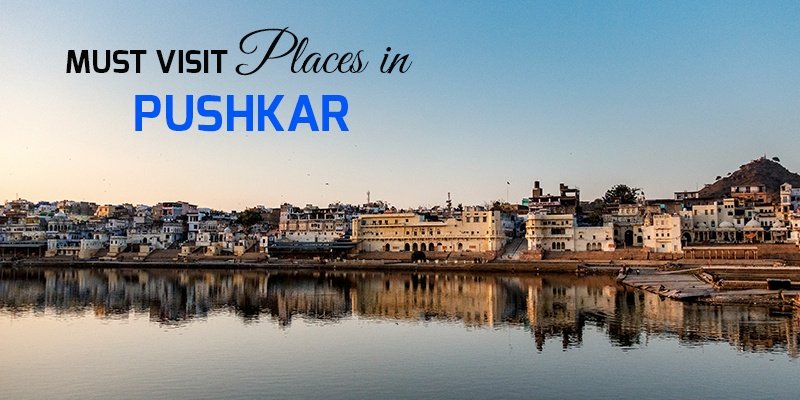
Pushkar is a city that doesn’t just sit on the map of Rajasthan; it breathes with a rhythm of its own. Often referred to as ‘Tirth Raj’ or the king of pilgrimage sites, this sacred town is anchored by the serene Pushkar Lake and surrounded by the rugged Aravalli hills. For travelers seeking a blend of spirituality and vibrant culture, partnering with experienced tour operators in rajasthan ensures a journey that captures the true essence of this desert oasis. Whether you are a soul-seeker or a photography enthusiast, Pushkar offers a unique contrast to the bustling metro cities of India.
The Spiritual Significance of the Brahma Temple
One of the primary reasons travelers flock to Pushkar is the presence of the Jagatpita Brahma Temple. While India is home to thousands of temples dedicated to various deities, temples dedicated to Lord Brahma—the creator in the Hindu trinity—are incredibly rare. Built in the 14th century, the structure features a distinct red spire and a marble floor decorated with silver coins donated by devotees. The atmosphere here is thick with incense and the sound of chanting, providing a profound sense of peace that is hard to find elsewhere.
The Sacred Ghats and Pushkar Lake
The heart of the town is the holy Pushkar Lake, which is believed to have appeared when a lotus flower fell from Lord Brahma’s hand. Surrounded by 52 bathing ghats, the lake is a focal point for ritual purification. Observing the evening ‘Aarti’ at Varaha Ghat is a transformative experience where the flickering lamps reflect on the water against the backdrop of a setting sun. For those planning a trip on a budget, opting for Rajasthan Budget Tour Packages can provide an affordable way to experience these sacred rituals without compromising on the depth of the cultural experience.
The Pushkar Camel Fair: A Cultural Phenomenon
If your visit coincides with the month of Kartik (usually October or November), you will witness the world-famous Pushkar Camel Fair. What started as a local trade fair for livestock has evolved into a massive cultural spectacle. Thousands of camels, horses, and cattle are brought here, adorned with colorful saddles and jewelry. The fairground becomes a riot of color with folk dancers, musicians, ferris wheels, and mustache competitions. It is perhaps the most vibrant display of Rajasthani rural life you will ever encounter.
Architectural Splendor and the Heritage Trail
Pushkar is a key stop for anyone embarking on a Rajasthan Heritage Tour because of its ancient architecture and narrow, winding lanes. Beyond the main Brahma temple, the Savitri Mata Temple, perched atop Ratnagiri Hill, offers a panoramic view of the entire town and the surrounding desert. The hike up to the temple at sunrise is a favorite among trekkers and spiritual seekers alike. The architecture in Pushkar is characterized by intricate stone carvings and whitewashed buildings that give the town its nickname, the “Blue City of the East,” similar to Jodhpur but on a more intimate scale.
A Paradise for Foodies and Shoppers
The streets of Pushkar are a delight for those who love to explore local flavors and handicrafts. Because of its religious significance, the entire town is strictly vegetarian and alcohol-free, which has led to a sophisticated and creative vegetarian culinary scene. From the famous ‘Malpua’ (a sweet pancake) served at Sarovar Ghat to international cafes serving falafel and wood-fired pizzas, the food here is as diverse as the visitors. Shopping is equally enticing, with the main market offering silver jewelry, embroidered textiles, leather bags, and traditional Rajasthani puppets.
Adventure and Desert Safaris
Beyond the temples and markets, the desert landscape surrounding Pushkar invites adventure. Camel safaris and jeep tours allow you to venture into the dunes to witness the rustic lifestyle of the desert tribes. Many travelers choose to spend a night in luxury tents under the starlit sky, enjoying traditional folk music and dance performances by the campfire. This blend of nomadic tradition and modern hospitality makes Pushkar a versatile destination for all types of travelers.
Best Time to Visit and Travel Tips
The ideal time to visit Pushkar is between October and March when the weather is pleasant enough for sightseeing and desert activities. Summers can be intensely hot, with temperatures often soaring above 40°C. When visiting, it is important to respect local customs; this includes dressing modestly and removing your shoes before entering temples or stepping onto the ghats. Being a major pilgrimage site, Pushkar is well-connected by road to Ajmer, which is the nearest railway head, making it an easy addition to any Rajasthan itinerary.
Why Pushkar Stands Out
What makes Pushkar truly special is its ability to remain grounded in tradition while being welcoming to the modern world. It is a place where you can find a hippy-chic cafe right next to a centuries-old shrine. The town doesn’t rush you; it invites you to sit on the steps of the ghats, watch the pigeons fly over the water, and listen to the distant chime of temple bells. It is a sensory experience that stays with you long after you have left its sandy shores. For any traveler looking to understand the soul of Rajasthan, Pushkar is an indispensable chapter of the journey.