

Beyond the Fort: Unique Activities for Your Jaisalmer Trip

Beyond Mehrangarh: Unique Activities for Your Jodhpur Weekend Trip
April 18, 2026
Luxury Event Venues: Elevating Your Special Day to the Next Level
April 20, 2026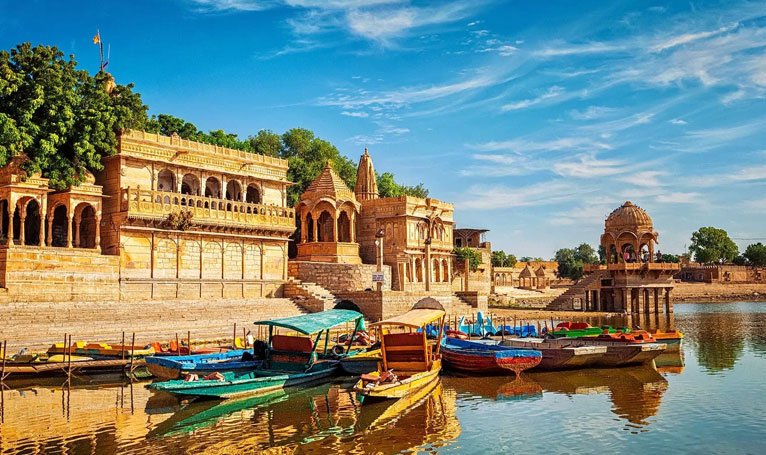
When you first catch a glimpse of the Golden City rising from the Thar Desert, it is easy to spend your entire journey lost within the sandstone walls of the Sonar Quila. However, as a seasoned travel agency in jaisalmer with years of experience navigating these dunes, we know that the true soul of Rajasthan lies in the experiences found just beyond the ramparts. Jaisalmer is a tapestry of living history, vibrant folk culture, and silent desert expanses that offer much more than just a photo opportunity. To truly understand this region, one must venture into the whispering sands and the hidden architectural marvels that define the desert way of life.
The Haunting Silence of Kuldhara Village
While the fort is a hive of activity, the abandoned village of Kuldhara offers a profound contrast. Legend suggests that the Paliwal Brahmins who inhabited this site vanished overnight nearly two centuries ago to escape the tyranny of a local minister. Walking through the skeletal remains of these stone houses provides a hauntingly beautiful perspective on local folklore. Our guides often point out the intricate drainage systems and kitchen layouts that remain intact, showcasing the architectural brilliance of the 19th-century desert dwellers. It is a place where history feels tangible and the desert wind tells stories of a community that chose dignity over oppression.
Sunset Serenity at Gadsisar Lake
Originally built as a water conservation reservoir in the 14th century, Gadsisar Lake has evolved into a spiritual and cultural hub. While many tourists visit for a quick boat ride, the real magic happens during the early morning or late evening. The lake is surrounded by small temples and shrines, and the Tilon-Ki-Pol gateway provides a stunning frame for the setting sun. Observing the migratory birds that flock here during the winter months offers a peaceful respite from the bustling markets. For those seeking a comprehensive Jaisalmer sightseeing tour, Gadsisar represents the delicate balance between man-made ingenuity and natural beauty.
Thrills and Traditions in the Sam Sand Dunes
No visit to the Thar is complete without venturing into the dunes, but the “unique” side of this experience lies in how you engage with it. Beyond the standard camel trek, consider a night of stargazing under the vast, unpolluted desert sky. The lack of light pollution makes Jaisalmer one of the best spots in India to observe the Milky Way. Many of our guests enjoy private folk music performances by the Manganiyar community. These musicians carry a legacy of oral traditions that have been passed down through generations, their voices echoing off the dunes in a way that recorded music can never replicate.
Exploring the Cenotaphs of Bada Bagh
Located just a short drive from the city center, Bada Bagh (The Big Garden) serves as a memorial to the Maharajas of Jaisalmer. The site features a series of chhatris or cenotaphs, each carved with exquisite detail. Visiting this site at sunrise allows you to witness the golden sandstone glowing in a spectrum of ambers and oranges. It is a masterclass in Rajput architecture and offers a quiet space for reflection away from the more crowded tourist spots. The geometric precision of the domes against the harsh desert backdrop creates a surreal atmosphere that is a favorite for photographers and history buffs alike.
Practical Travel and Seamless Logistics
Navigating the outskirts of Jaisalmer requires reliable transportation, especially if you wish to visit remote sites like the Desert National Park or the Tanot Mata Temple near the border. Relying on a professional Jaisalmer taxi service ensures that you don’t have to worry about desert navigation or vehicle maintenance in the heat. Local drivers often act as informal historians, sharing anecdotes about the various “dhani” (small settlements) you pass along the way. Having a dedicated vehicle allows you the flexibility to stay back at a sunset point for those extra ten minutes when the light is just right, without the pressure of finding a ride back to your hotel.
The Living Traditions of Desert Crafts
Jaisalmer is not just a destination; it is a hub of craftsmanship. Taking the time to visit local workshops where artisans create intricate leather goods, hand-woven rugs, and silver jewelry is a rewarding experience. The “Pattu” weaving of the region is particularly famous, known for its geometric patterns and durability. By engaging with these artisans directly, travelers gain a deeper appreciation for the labor-intensive processes that sustain the local economy. These interactions provide a layer of depth to your trip, transforming it from a simple vacation into a meaningful cultural exchange.
Wildlife Encounters at the Desert National Park
For nature enthusiasts, the Desert National Park offers a glimpse into an ecosystem that thrives against all odds. It is one of the last remaining strongholds of the Great Indian Bustard, a critically endangered bird that is a sight to behold. The park’s landscape of craggy rocks and shifting dunes is home to desert foxes, chinkaras, and various raptors. Exploring this terrain requires patience and a keen eye, but the reward of seeing a gazelle leap across the horizon at dusk is unparalleled. It serves as a reminder that the desert is far from empty; it is a vibrant, breathing world waiting to be discovered by those willing to look beyond the obvious landmarks.