
Why Summer is the Best Time for Ranthambore Wildlife Photography

Top Attractions in Mount Abu and Udaipur This Summer
May 9, 2026
Sweat-Proof Bridal Looks: Comfort Tips for Summer Weddings
May 11, 2026Why Summer is the Best Time for Ranthambore Wildlife Photography
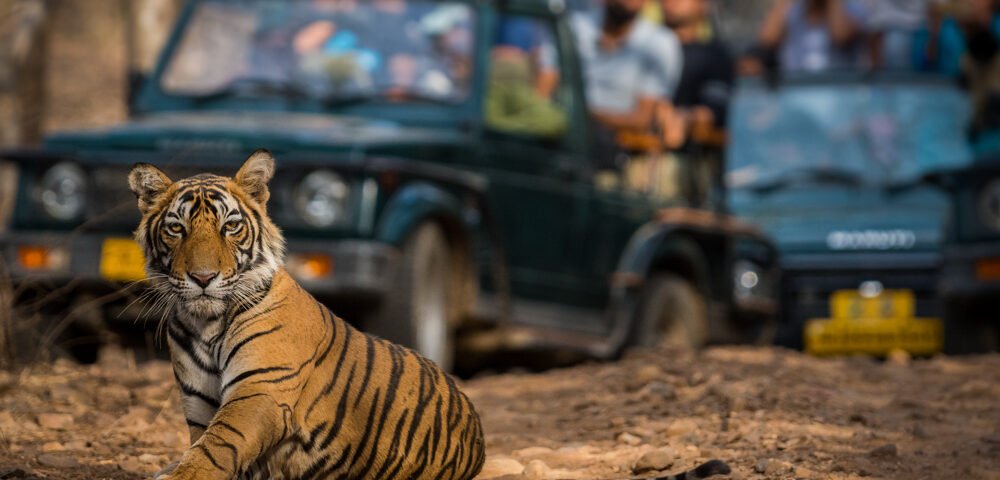
Showstopper A tiger cub at Ranthambore Tiger Reserve, India
For wildlife enthusiasts and professional photographers, the golden hour isn’t just a time of day—it’s a season. While many travelers prefer the cooler climes of winter, those in the know understand that finding the best resort in ranthambore during the summer months offers an unparalleled advantage for capturing the raw, unfiltered essence of the jungle. As the mercury rises from April to June, the landscape of Ranthambore National Park undergoes a dramatic transformation, turning the lush greenery into a skeletal, golden-brown canvas that highlights the majesty of the Royal Bengal Tiger like no other time of year.
Unmatched Visibility Through Deciduous Landscapes
One of the primary reasons photographers flock to the park during the summer is the thinning of the vegetation. Ranthambore is characterized by its dry deciduous forests. During the winter, the thick foliage provides ample hiding spots for predators and prey alike. However, as summer sets in, the Dhok trees lose their leaves and the tall grasses wither away. This lack of undergrowth creates a clear line of sight, allowing photographers to spot movement from great distances. For a photographer, this means fewer branches obstructing a clear shot and a much higher probability of capturing a full-bodied frame of a tiger prowling through its territory.
Strategic Watering Hole Concentrations
As the heat intensifies, the smaller natural water sources within the park’s core zones begin to dry up. This forced scarcity creates a predictable pattern of movement among the wildlife. Animals, including the elusive big cats, are forced to frequent the remaining permanent water bodies like Padam Talao, Raj Bagh Talao, and Malik Talao. Waiting patiently near these banks often results in spectacular “action” shots. Whether it is a tiger cooling off in the water or a predator lurking near the edge to ambush a thirsty deer, the summer heat acts as a natural director, bringing the cast of the jungle together in predictable locations.
The Magic of the Summer Light
While the midday sun can be harsh, the early morning and late evening light during a summer safari is legendary. The dust kicked up by safari jeeps and the dry desert air creates a hazy, ethereal quality to the sunlight. This “dusty gold” atmosphere provides a soft, warm glow that adds a layer of depth and drama to wildlife portraits. The contrast between the fiery orange coat of a tiger and the parched, pale background of the summer forest makes the subject pop with an intensity that is often lost in the green saturation of the monsoon or post-monsoon months.
Enhancing the Experience at Ranthambore Tiger Resort
After a long day of navigating the rugged terrain and enduring the heat for that perfect shot, coming back to a sanctuary that understands the needs of a photographer is essential. Staying at the Ranthambore Tiger Resort provides the perfect balance of proximity to the park gates and the necessary comfort to recharge. The resort is designed to reflect the rustic charm of the wilderness while providing modern amenities that cater to those who spend their days behind the lens. Having a cool, quiet space to review your day’s captures and prep your gear for the next morning’s light is a luxury that cannot be overstated.
Exclusive Planning for the Perfect Trip
Wildlife photography requires patience, and patience is easier to maintain when your logistics are handled by experts. For those looking for a seamless blend of adventure and high-end comfort, booking a luxury resort in Ranthambore ensures that your focus remains entirely on your craft. Summer safaris can be physically demanding, but the rewards are often once-in-a-lifetime shots of tigers in the water—a sight rarely seen during the colder months when they prefer sunning themselves on rocky outcrops far from the tracks.
Tailored Packages for Wildlife Lovers
If you are planning a photography expedition with a partner, specialized itineraries can make the trip even more rewarding. Opting for a Ranthambore 2N 3D Couple Package allows you to maximize your time in the park with scheduled drives during the peak sightings hours while ensuring your downtime is spent in total relaxation. This duration is often considered the “sweet spot” for photographers, providing enough safari rounds to cover different zones of the park—increasing the statistical likelihood of diverse sightings—without the fatigue of a longer stay in the heat.
Behavioral Insights and Bird Photography
Beyond the tigers, summer is a fantastic time to observe unique animal behaviors. You might witness sloth bears digging for termites or leopards venturing closer to the water holes. Additionally, the birdlife around the lakes becomes incredibly active. Kingfishers, treepies, and various raptors are frequently seen hunting near the receding water lines. For a wildlife photographer, these “filler” moments between tiger sightings provide excellent opportunities to practice different techniques, such as capturing birds in flight or macro photography of the park’s resilient flora.
Practical Tips for Summer Photography
To make the most of your summer shoot, come prepared. High-speed memory cards and extra batteries are a must, as you will likely be shooting in burst mode during action sequences. Use a lens hood to combat the flare from the intense sun and consider using a polarizing filter to manage the reflections on the water’s surface. Most importantly, stay hydrated and protect your equipment from the fine dust that is characteristic of the Ranthambore summer. The conditions are challenging, but the portfolio you will build during these months will be significantly more distinct and powerful than those taken during the crowded winter peak season. By choosing the right time, the right zones, and the right base of operations, you transform a simple trip into a masterclass in wildlife documentation.