

Discover Sawai Madhopur: Top 5 Places to See

5 Key Factors to Consider When Picking a Wedding Venue
July 11, 2026
The Ultimate Travel Guide: How to Plan the Perfect Udaipur to Chittorgarh Tour
July 11, 2026Discover Sawai Madhopur: Top 5 Places to See
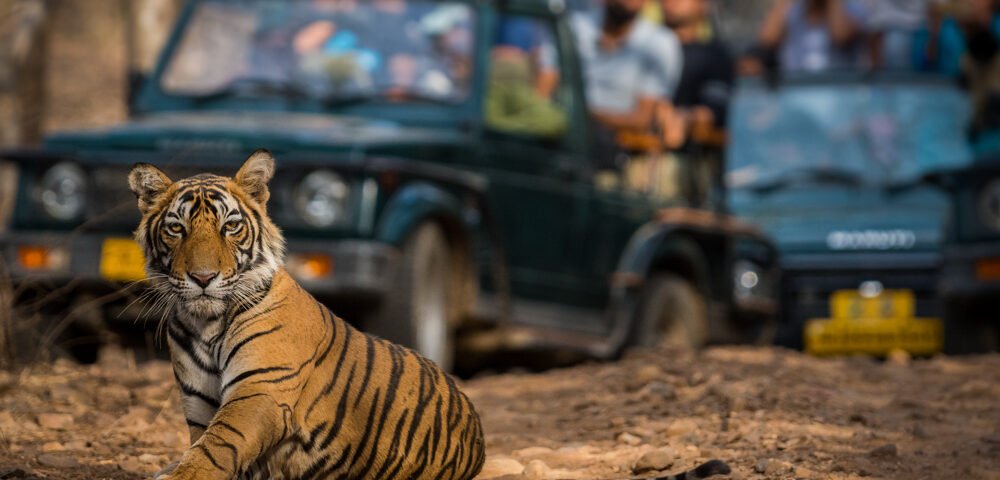
Showstopper A tiger cub at Ranthambore Tiger Reserve, India
Sawai Madhopur serves as the primary gateway to one of India’s most celebrated wilderness areas. While many travelers associate the region solely with the thrill of tracking royal Bengal tigers, this historic district in Rajasthan holds a wealth of cultural, architectural, and natural treasures that extend far beyond the safari tracks. For those planning a journey to this iconic landscape, balancing your itinerary with a mix of wildlife excursions and historical exploration offers a complete experience of the regional heritage. Understanding the local terrain, the seasonal behaviors of regional fauna, and the historical contexts of these landmarks ensures a deeply rewarding visit.
Choosing the right base for your journey plays a significant role in your overall experience. Relaxing at a comfortable resort in ranthambore allows you to transition smoothly between early morning game drives and afternoon historical excursions, providing a peaceful environment to unwind after active days of exploration.
1. Ranthambore National Park
As a premier wildlife destination, this national park presents a dynamic ecosystem where dry deciduous forests meet rugged hills and open valleys. The park is historically significant as a former royal hunting ground that transitioned into a protected tiger reserve under Project Tiger. For wildlife enthusiasts, the main draw is the opportunity to observe the royal Bengal tiger in its natural habitat, navigating the terrain alongside leopards, striped hyenas, sloth bears, and diverse bird species. The park’s unique landscape is punctuated by ancient ruins, creating a striking backdrop where nature and history intertwine. Maximizing your wildlife viewing involves understanding zone allocations and booking safari vehicles well in advance, as visitor numbers are strictly regulated to preserve the delicate ecosystem.
2. Ranthambore Fort
Perched majestically atop a high cliff within the national park, this UNESCO World Heritage Site dates back to the 10th century and stands as a testament to the region’s formidable military history. The fort features massive stone walls, grand gateways, and ancient stepwells that reflect the architectural ingenuity of the Chauhan dynasty. Walking through the fort premises offers sweeping panoramic views of the surrounding forest reserves and lakes below, making it an excellent vantage point for photography and historical study. The architectural layout reveals layers of history, with structures that have witnessed numerous sieges and royal successions over the centuries.
3. Trinetra Ganesha Temple
Situated inside the precincts of the Ranthambore Fort, the Trinetra Ganesha Temple holds a unique religious status as one of the oldest temples dedicated to Lord Ganesha in Rajasthan. It is famous for housing an idol that depicts the deity with three eyes, a rare representation in Hindu iconography. The temple attracts thousands of devotees and travelers daily who come to deliver wedding invitations and letters, a local tradition believed to invoke blessings for new beginnings. The vibrant spiritual energy and the steady stream of pilgrims add a rich cultural dimension to the historical exploration of the fort complex.
4. Padam Talao
As the largest lake inside the national park, Padam Talao is a crucial ecological hub and a highly scenic landmark. The lake gets its name from the water lilies that bloom across its surface during specific seasons. At the edge of the water stands the beautiful Jogi Mahal, a historic red-sandstone hunting lodge that adds an elegant architectural element to the wilderness. The lake area serves as a primary watering hole for resident wildlife, making it a frequent site for observing deer, marsh crocodiles, and various migratory birds, especially during the early morning and late afternoon hours when animals converge to drink.
5. Rajiv Gandhi Regional Museum of Natural History
For visitors interested in a deeper educational understanding of the local environment, this modern museum provides comprehensive insights into the flora, fauna, and geology of Western India. The institution features detailed exhibits, lifelike dioramas, and educational galleries that emphasize the absolute importance of biodiversity and wildlife conservation. It serves as an informative prelude or conclusion to outdoor safaris, helping travelers connect the physical sightings in the park with broader ecological concepts and regional conservation efforts.
Maximizing Your Journey
Planning an efficient itinerary is essential to experience the full spectrum of these diverse attractions without feeling rushed. Utilizing a structured 2-Day Sawai Madhopur Itinerary allows travelers to balance the demanding schedules of morning and evening safaris with dedicated afternoon slots for exploring the grand fort complexes and local museums. This organized approach ensures you capture both the natural wonders and the historical depth of the region.
Exploring the local markets for traditional handicrafts, sampling authentic Rajasthani cuisine, and observing the rural lifestyle in the surrounding villages are among the rewarding things to do in Sawai Madhopur that complete your travel experience. By combining thoughtful preparation with an openness to discover the lesser-known historical sites, your journey to this iconic landscape will offer lasting memories of Rajasthan’s vibrant wilderness and timeless heritage.