
Jawai Leopard Safari: Where Local Heritage Meets Wilderness

The Rise of Laser Skincare: Why Everyone Is Trying It Now
August 3, 2026
10 Unbeatable Benefits of a Hotel Management Degree
August 3, 2026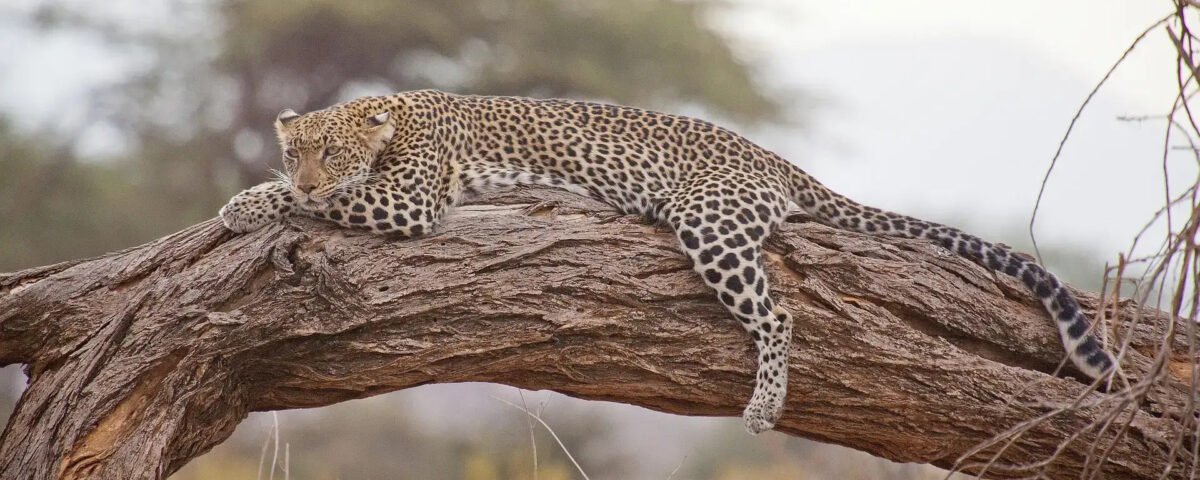
Nestled amidst the billion-year-old granite formations of Pali district in Rajasthan, Jawai represents one of the most remarkable ecological and cultural landscapes on Earth. Unlike traditional wildlife reserves enclosed by strict fences or dense jungle foliage, Jawai is an open, living sanctuary where wild big cats roam freely alongside human settlements. Here, nature and culture do not merely exist side by side; they thrive in an ancient, sacred equilibrium. At the heart of this landscape lies a story of mutual respect between the indigenous Rabari pastoralists and the elusive wild leopards—an authentic wilderness narrative that forms the soul of every visit to the region.
The Unique Sanctuary of Granite Hills and Coexistence
What makes a safari here unlike any other in India is the sheer visibility and natural behavior of the wildlife. The region’s defining feature is its dramatic topography—towering inselbergs, naturally carved granite caves, and the sweeping backwaters of the Jawai Dam. Because leopards are cave dwellers in this terrain rather than jungle stalkers, they spend their daylight hours basking atop sun-warmed rocks or watching over the valleys from high ledges.
This terrain offers visitors an unhindered window into big cat behavior without disturbing their natural routines. Biologists and wildlife enthusiasts from around the world travel to Jawai to observe how these predators have adapted to life near human habitats. The big cats do not view humans or domestic livestock with hostility, nor do the villagers harbor fear toward them. Instead, centuries of shared history have created an unspoken treaty of peace across these hills.
The Guardians of the Hills: The Rabari Community
You cannot truly understand the wilderness of Jawai without understanding the Rabari people. Dressed in iconic red turbans and traditional white attire, the Rabari herdsmen have grazed their livestock across these rocky slopes for generations. Deeply rooted in faith and reverence for nature, the Rabaris consider the leopard to be a sacred companion associated with their revered deity, Goddess Ambe.
When a leopard occasionally preys on a farm animal, the community views it not as a loss to be avenged, but as a silent offering to the guardian of the land. This spiritual reverence is the sole reason why Jawai remains free from human-wildlife conflict.
During a visit, walking through the local villages accompanied by native guides allows travelers to witness this vibrant heritage firsthand. From evening storytelling around open fires to morning walks through mustard fields and granite trails, the Rabari culture adds a deep layer of human warmth to the raw adventure.
Unforgettable Wildlife and Safari Encounters
While leopards are the undeniable stars of the region, the ecosystem surrounding the Jawai Dam reservoir supports a fascinating array of biodiversity. During the cooler months from October to March, migratory birds transform the waterbody into a sanctuary. Flamingos, bar-headed geese, demoiselle cranes, and pelicans dot the shorelines, while massive marsh crocodiles bask along the sunlit banks.
Navigating through this terrain in open customized 4×4 vehicles is an art form. Local trackers use generational knowledge—observing call alarms from langurs, analyzing paw prints on sandy riverbeds, and reading the subtle shifts of the wind—to locate the big cats across private hill tracks and rocky outcrops. A customized leapard safari Jawai provides an intimate glimpse into this wild landscape, ensuring that tracking remains respectful, quiet, and eco-friendly.
Immersive Comfort and Responsible Wilderness Tourism
To truly appreciate the beauty of this region, travelers seek accommodations that respect the fragile ecosystem while offering warm hospitality. Located strategically close to the backwaters and granite hills, properties in the area aim to blend modern amenities with authentic wilderness charm. Finding a premier leopard safari resort in Jawai allows guests to enjoy breathtaking views of the surrounding hills right from their private verandas.
After an exhilarating morning tracking wildlife across the rocks, retreating to a refined space enhances the overall journey. Choosing a thoughtful luxury stay in Jawai provides guests with spacious rooms, regional culinary dining, and serene outdoor spaces designed to disconnect from urban noise and reconnect with nature. Properties like The Jawai Sagar serve as peaceful hideaways where guests can relax while listening to the evening sounds of the wilderness.
Essential Tips for Your Jawai Expedition
- Best Time to Visit: The winter season between October and March offers pleasant temperatures for morning and evening drives, along with excellent birdwatching opportunities near the reservoir.
- Respectful Photography: Always follow the guidance of local trackers. Keep noise levels low and avoid using flash photography near animals or religious village sites.
- Cultural Etiquette: When visiting local Rabari hamlets, dress modestly and engage with villagers through certified local guides to support community-led eco-tourism.
Jawai stands as a shining testament to how wildlife conservation and human heritage can flourish together. Exploring these ancient granite hills offers more than just a getaway; it provides a profound reminder of the harmony that is possible when humans choose to live alongside the wild.