

Best Time to Visit Jaisalmer: Weather, Months, and Travel Tips

What to Expect When Visiting Gandhinagar in the Monsoons
August 7, 2026
How to Plan the Perfect Udaipur to Jaipur Sightseeing Tour
August 8, 2026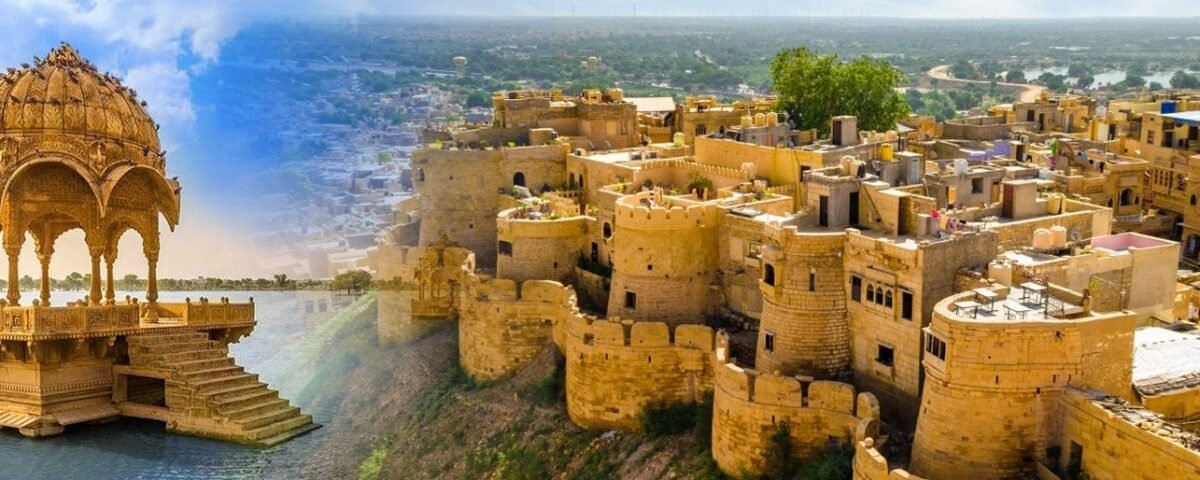
Jaisalmer, fondly known as the Golden City of India, rises majestically out of the Thar Desert like a scene from an ancient folk legend. Renowned for its honey-colored sandstone architecture, grand fortresses, intricate havelis, and sprawling sand dunes, Jaisalmer offers a travel experience rooted deeply in royal history and desert heritage. Because Jaisalmer is situated in the heart of the desert, local weather conditions play a pivotal role in determining the quality of your journey. Planning your visit according to seasonal temperatures, seasonal activities, and local festivals ensures you experience the best of what Rajasthan has to offer.
Understanding Jaisalmer’s seasonal rhythm helps travelers choose the ideal window for sightseeing, desert safaris, and overnight stays under the stars. Here is an in-depth breakdown of Jaisalmer’s weather across different months, along with expert tips to help you plan an unforgettable desert escape.
Understanding Jaisalmer’s Desert Climate
Jaisalmer experiences an arid desert climate characterized by extreme seasonal temperature variations. Summers can be exceptionally hot, while winters bring cool, pleasant days paired with chilly desert nights. The region receives minimal rainfall throughout the year, making weather planning primarily a matter of tracking temperature changes rather than precipitation.
For most travelers, the dry, cooler months offer the most comfortable conditions for exploring heritage sites and spending time in the dunes.
Winter Season (October to March): The Peak Tourist Season
Winter is universally recognized as the best time to visit Jaisalmer. During these months, the blistering summer heat yields to crisp breezes and clear skies, creating ideal conditions for outdoor exploration and desert adventures.
Temperature and Weather Highlights
Daytime temperatures range from 15°C to 25°C, providing comfortable warmth under a mild sun. Nighttime temperatures drop significantly, often hovering between 5°C and 12°C. In the vast open expanse of the Thar Desert, night temperatures can occasionally drop even lower, making cozy layers essential.
Why Visit in Winter?
- Sightseeing Comfort: Walk comfortably through the narrow lanes of Jaisalmer Fort, Patwon Ki Haveli, and Nathmal Ki Haveli without intense heat.
- Desert Safaris: Enjoy camel rides, jeep dune bashing, and quad biking across the Sam Sand Dunes in pleasant weather.
- Cultural Nights: Cool desert evenings are perfect for gathering around a bonfire to enjoy local folk performances.
- The Desert Festival: Held annually in January or February, the Jaisalmer Desert Festival showcases turban-tying contests, camel races, folk music, and vibrant cultural parades.
Whether you plan to wander through historic monuments or rest among the dunes, booking a serene camp in jaisalmer provides an authentic taste of desert life combined with warm Rajasthani hospitality.
Month-by-Month Guide for Winter Visitors
- October: The transition month brings a welcome drop in temperatures. Days remain warm, but evenings become pleasant, marking the official opening of the tourist season.
- November: Excellent weather settles in across the region. Days are bright and cool, making it a popular month for families and couples.
- December: Crisp air and chilly nights define December. It is peak holiday season, attracting visitors seeking festive celebrations in the desert.
- January: The coldest month of the year. Morning fog occasionally lingers over the fort, while nights require thick jackets and shawls.
- February: Mild temperatures and clear skies return. February is widely considered one of the absolute best months to visit due to the Jaisalmer Desert Festival.
- March: Days begin to warm up gradually, but morning and late evening weather remains pleasant for outdoor excursions.
Summer Season (April to June): Off-Peak Desert Heat
Summers in Jaisalmer are severe and unforgiving. Temperatures routinely climb between 38°C and 48°C during peak daytime hours, accompanied by hot desert winds known locally as loo.
What to Expect in Summer
- High Heat: Outdoor activities become challenging between 11:00 AM and 5:00 PM due to direct sun exposure and extreme heat.
- Low Tourist Crowds: Popular attractions are empty, offering a quieter atmosphere for budget-conscious travelers who do not mind resting indoors during the afternoon.
- Budget Travel: Accommodation rates and travel costs drop substantially across hotels and desert camps.
If you choose to travel during the summer months, schedule all sightseeing for early mornings or late evenings, stay hydrated, and ensure your lodgings offer effective air conditioning.
Monsoon Season (July to September): The Peaceful Shoulder Season
While Jaisalmer receives limited rainfall compared to other parts of Rajasthan, the monsoon season brings a subtle transformation to the arid landscape. Dark clouds sweep over golden sands, and light showers occasionally refresh the desert floor.
Temperature and Weather Highlights
Temperatures during the monsoon average between 25°C and 35°C. Humidity levels rise, but the scorching summer heat subsides noticeably.
Why Visit in Monsoon?
- Budget-Friendly Options: Travelers can enjoy discounted rates on stays and experiences.
- Fewer Crowds: The absence of large tour groups creates a relaxed, unhurried sightseeing environment.
- Unique Scenery: Brief rain showers bring out vibrant contrasts in the golden sandstone architecture and desert terrain.
Experiencing the Thar Desert with Magra Desert Camp
No trip to Jaisalmer is complete without venturing beyond the city walls into the tranquil Sam Sand Dunes. At Magra Desert Camp, guests experience the raw beauty of the Thar Desert alongside modern comfort and authentic cultural immersion.
After a day of exploring historical landmarks, guests can retire to the desert where golden sands stretch out under clear night skies. Staying in well-appointed luxury swiss tents in Jaisalmer ensures you enjoy modern amenities, cozy bedding, and private attached bathrooms without compromising on authentic desert charm.
As the sun sets over the dunes, evening gatherings bring the region’s rich heritage to life. Nights come alive around a warm bonfire with traditional folk music and a mesmerizing Culture dance in Jaisalmer performed by local artists, offering an authentic celebration of Rajasthani tradition.
Essential Travel Tips for Your Jaisalmer Trip
- Pack According to the Season: If visiting between October and March, bring lightweight, breathable cottons for daytime and heavy woolens, jackets, or thermal layers for chilly nights.
- Stay Hydrated: The desert climate accelerates dehydration even during cool winter months. Always carry a reusable water bottle during outdoor tours.
- Protect Yourself from the Sun: Sunscreen, sunglasses, and wide-brimmed hats are necessary year-round to guard against intense solar glare.
- Book Ahead for Winter Stays: Peak tourist months from November to February see high demand. Reserve your desert camps, guided tours, and transportation well in advance.
- Plan Sightseeing Wisely: Dedicate morning hours to fortress walks and haveli tours, saving late afternoons for camel safaris and sunset views over the dunes.
By timing your journey between October and March, you ensure pleasant weather, active cultural events, and comfortable conditions to explore both the golden city and the surrounding dunes of Jaisalmer.