

Ranthambore 2-Day Tour: Top Wildlife Safaris & Hidden Gems

How to Spend 2 Days in Jodhpur: The Perfect City Guide
August 10, 2026
Jeep Safari vs Walking Safari: Which Is Entertaining?
August 11, 2026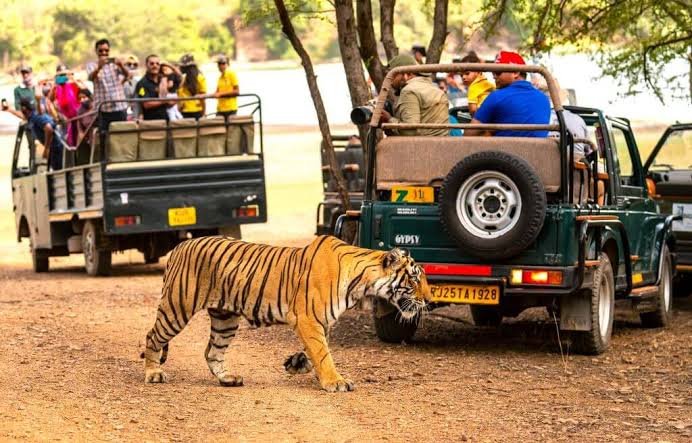
Ranthambore National Park is one of Asia’s premier destinations to observe the Royal Bengal Tiger in its natural habitat. Combining ancient ruins with rugged dry deciduous forests, this wilderness reserve provides a rare backdrop where apex predators roam past century-old arches and forest lakes. For travelers short on time, a well-planned two-day itinerary offers a rich wildlife experience without feeling rushed. Positioned right on the doorstep of the reserve, Ranthambore Tiger Resort serves as an ideal base for quick access to the park gates and local cultural landmarks.
Day 1: Arrival, Settlement & The Afternoon Jungle Drive
Your weekend adventure begins upon arrival in Sawai Madhopur. Reaching your accommodations by midday allows ample time to freshen up, enjoy an early lunch, and gear up for your initial foray into the jungle. Selecting a hospitable resort in Ranthambore close to the entry gates keeps travel times short, ensuring you do not miss the start of the afternoon safari shift.
The afternoon drive is particularly strategic for wildlife sighting. As temperatures rise, animals venture toward established water bodies such as Padam Talao, Rajbagh Lake, and Malik Talao. Naturalists and local trackers focus heavily on these zones during afternoon hours. In addition to Bengal tigers, keep your eyes open for sloth bears foraging along dry creek beds, marsh crocodiles basking on lake banks, and herds of spotted deer or Sambar grazing near forest clearings.
After the forest gates close at dusk, return to your lodge to unwind. Gathering around an evening courtyard bonfire while sharing safari photos with fellow nature enthusiasts provides an authentic wilderness atmosphere.
Day 2: Dawn Tracking, Historic Ruins & Hidden Cultural Gems
Morning safaris offer an entirely different perspective on the ecosystem. Departing early when the morning chill still hangs over the Dhok trees gives you front-row seats as the forest wakes up. Tigers are often most active during dawn, patrolling their territorial boundaries or moving along jeep tracks before the sun warms the terrain.
To maximize camera stability, maneuverability through narrow gorges, and low-angle photography, booking a private jeep safari in Ranthambore provides an edge over larger group transport options. Experienced drivers listen closely to alarm calls—the sharp bark of a Sambar deer or the loud chatter of a langur monkey—to pinpoint big cats moving through dense brush.
Following your morning safari and a late breakfast, dedicate the middle of the day to exploring Ranthambore’s hidden gems and heritage sites:
- Ranthambore Fort & Trinetra Ganesh Temple: Rising 700 feet above the forest canopy, this UNESCO World Heritage Site dates back to the 10th century. Situated inside the fort, the Trinetra Ganesh Temple attracts pilgrims and travelers alike, offering panoramic viewpoints over the surrounding jungle zones.
- Surwal Lake: Located roughly 14 kilometers from the main reserve, Surwal Lake is a tranquil oasis for birdwatchers. Between November and March, thousands of migratory species—including painted storks, flamingoes, and spoonbills—gather along the shallow waters.
- Dastkar Ranthambore Craft Center: Founded to empower local women and preserve regional artisan skills, Dastkar offers handcrafted textiles, block prints, and pottery, making it a meaningful stop for ethical souvenir shopping.
Expert Tips for Planning Your Ranthambore Itinerary
To ensure a smooth, high-yield wildlife experience, keep these practical guidelines in mind when structuring your trip:
- Book Permits Early: Safari slots across core zones (1 to 5) are released well in advance and fill quickly during peak travel months. Securing permit reservations 60 to 90 days before your travel dates is strongly recommended.
- Understand the Zone Layout: Ranthambore is divided into 10 safari zones. Zones 1 through 5 represent the historic core area with lakes and ruins, while Zones 6 through 10 encompass hilly buffer areas rich in birdlife and leopards. Combining different zones across your two days expands your chances of diverse wildlife encounters.
- Dress in Neutral Earth Tones: Vibrant colors can startle wildlife. Wear shades of khaki, olive green, brown, or beige, and pack versatile layers to handle cold early mornings and warm afternoons.
- Carry Key Photography Gear: A telephoto lens (200mm–500mm), dust protection covers for your camera, and high-magnification binoculars are essential tools for spotting camouflaged animals deep in the foliage.
A two-day journey through Ranthambore balances adrenaline-pumping wildlife tracking with deep historical discovery. By pairing early morning safari drives with visits to centuries-old stone fortresses and peaceful birdwatching spots, you experience the complete wilderness legacy of Rajasthan.