
Jawai Guide: Wild Leopards and Vibrant Rural Life

Winter in Jaisalmer: Complete Desert Travel Guide
September 2, 2026
Discover Why Families Choose GIFT City Club for Leisure
September 4, 2026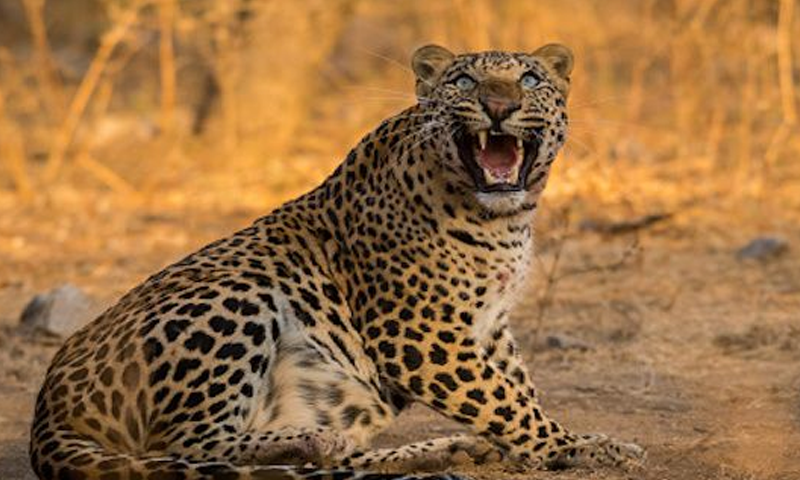
Nestled against the rugged backdrop of the ancient Aravalli Range in southwestern Rajasthan lies Jawai, a landscape carved out of granite hills, open scrublands, and river plains. Unlike conventional national parks bound by rigid fences and commercial buffer zones, Jawai is an open wilderness where wildlife and traditional agrarian communities coexist in extraordinary harmony. The region centers around the Jawai Bandh, a massive dam built across the Jawai River, creating a thriving wetland ecosystem that draws migratory birds, Indian leopards, marsh crocodiles, and nomadic pastoralists alike.
The Granite Hills and Free-Roaming Predators
The defining geological feature of Jawai is its sheer granite monoliths, weathered over millions of years into cavernous hills locally called kopjes. These formations provide elevated vantage points, natural shade, and secure resting shelters for the apex predator of the region: the Indian leopard (Panthera pardus fusca).
Unlike dense forest reserves where tracking big cats requires navigating thick canopies and leaf litter, the open terrain of Jawai allows for exceptional visibility. In this rocky landscape, a leopard might spend its dawn hours resting atop a boulder, surveying herds of cattle moving toward grazing pastures below.
Tracking these cats requires deep local knowledge of terrain dynamics, territorial markings, and alarm calls of resident fauna like peafowl, langurs, and chital. A well-planned Jawai leopard safari & experiences allows travelers to witness these predators in their natural habitats without disrupting the delicate balance of their daily movement. The open granite expanses create photographic conditions where the natural contrast between the leopard’s rosettes and the gray stone yields rare, natural portraits of wild cat behavior.
The Rabari Shepherds: Guardians of Ancient Coexistence
Beyond the geological grandeur and predatory encounters, the cultural soul of Jawai resides in the Rabari community. Recognized instantly by their vivid red turbans, white dhotis, and silver ornamentation, the Rabaris are traditional pastoral nomads whose bond with the land spans centuries.
- Reverence Over Conflict: The Rabaris consider the leopard to be an incarnation and protector sent by their deity, Ambe Mata. When a leopard occasionally takes livestock, the loss is traditionally absorbed as an offering to the goddess rather than an act requiring retaliation.
- Shared Territories: For generations, shepherds have guided herds of goats and sheep through the foothills, often crossing within hundreds of yards of resting leopards without hostility or panic.
- Preservation of Habitat: By continuing low-impact pastoral lifestyles and resisting urban sprawl, the local community plays an active role in keeping the natural corridors open and healthy for regional wildlife.
This mutual understanding represents a living model of community-based conservation, demonstrating that peaceful human-wildlife coexistence is achievable through cultural heritage and mutual respect.
Jawai Bandh: An Oasis for Avian and Aquatic Life
The Jawai Bandh reservoir acts as the lifeblood of this semi-arid wilderness. Constructed in the mid-twentieth century by Maharaja Umaid Singh of Jodhpur, the reservoir stores millions of cubic feet of water, fundamentally transforming the local biodiversity.
The reservoir’s perimeter is home to a thriving population of mugger crocodiles (Crocodylus palustris). During winter months, visitors can observe these prehistoric reptiles basking in the sun along the muddy banks and rocky outcrops.
As temperatures cool between October and March, the waters become a magnet for international migratory birds flying along the Central Asian Flyway. The shallow margins and abundant fish support:
- Bar-headed geese that cross the Himalayas to winter along the dam’s wetlands
- Demoiselle cranes gathering in disciplined flocks across agricultural fields
- Greater and lesser flamingos wading through the shallow backwaters
- Raptors including osprey, tawny eagles, and marsh harriers hunting over the open water
Planning Your Wilderness Stay
Experiencing Jawai requires more than a casual day visit; the true rhythm of the wilderness reveals itself during early morning hours and twilight. Finding accommodation that combines comfort with an authentic connection to the surrounding habitat is essential for a complete journey.
Settling into a dedicated Jawai safari resort positions travelers close to both the granite hills and the reservoir edge. The best stays maintain low environmental footprints, support local employment, and provide seasoned naturalists who understand the subtle patterns of local fauna. Staying locally also allows guests to take quiet village walks, witness morning prayers at cave temples tucked inside the hills, and experience rural Rajasthan’s warm hospitality away from conventional tourist circuits.
Practical Insights for the Responsible Traveler
Visiting a delicate ecosystem where wildlife and humans live together calls for mindful travel practices:
- Travel Season: The winter window from October through early April offers the most comfortable weather for outdoor tracking and birdwatching.
- Field Etiquette: Maintain silence during tracking drives. Avoid bright clothing and never encourage drivers to cut off a wild animal’s line of travel.
- Cultural Sensitivity: Always ask for permission before taking photographs of village elders, shrines, or private residences.
- Binoculars and Optics: Given the vast distances across granite hills and reservoir banks, quality spotting scopes and binoculars are invaluable tools for wildlife viewing.
Jawai demonstrates that wilderness does not have to be isolated from humanity to flourish. The harmony between the Rabari pastoralists, the granite hills, and the wild leopards continues to offer one of the most compelling and authentic wildlife experiences in India.