
Jodhpur Sightseeing Tour: Best Historic Places to Visit

Planning a Destination Wedding in Kumbhalgarh: Is It Worth It?
September 4, 2026
Moxi Laser Guide: Benefits, Downtime, and Uses
September 5, 2026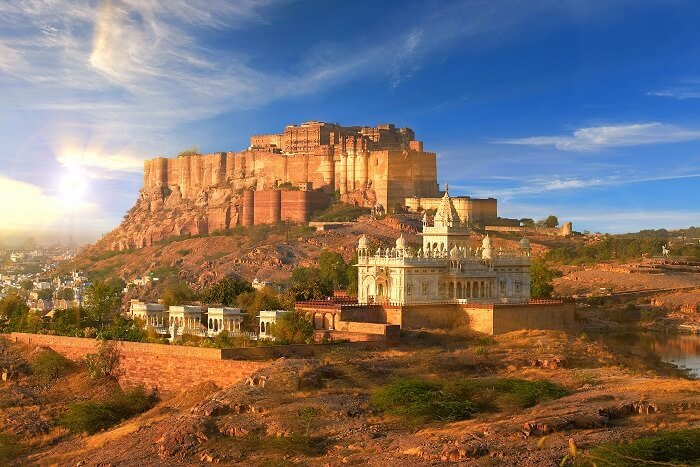
Jodhpur stands as one of the most culturally profound destinations in the Thar Desert. Founded in 1459 AD by Rao Jodha of the Rathore clan, this medieval capital of Marwar showcases an unbroken lineage of architecture, military strategy, and royal heritage. Travelers arriving in the Blue City encounter towering sandstone ramparts, intricate royal cenotaphs, and sprawling palatial estates that reflect centuries of regal tradition. Whether you are walking through narrow azure alleyways or viewing the city from high bastions, a well-planned itinerary reveals the true grandeur of Rajasthan. For a seamless journey across these heritage sites, partnering with a dependable travel agency in Rajasthan guarantees knowledgeable local guidance, comfortable private transit, and a hassle-free travel experience.
Mehrangarh Fort: The Unconquered Citadel of the Sun
Perched on an isolated perpendicular cliff rising 410 feet above the surrounding plains, Mehrangarh Fort dominates the Jodhpur skyline. Built over more than five centuries, the fort preserves the scars of historical sieges alongside delicate royal living spaces. Travelers enter through a succession of seven colossal gates, including Jai Pol (built to celebrate a victory over Jaipur armies) and Fateh Pol. Near the Loha Pol gate, visitors can observe the moving palm imprints of royal satis from centuries past.
Inside the complex, the museum displays an extraordinary collection of palanquins, elephant howdahs, miniature paintings, and royal cradles. The state apartments within the fort demonstrate exquisite craftsmanship:
- Moti Mahal (Pearl Palace): The largest period room, lined with finely crushed seashell plaster that creates a luminous sheen under lamplight.
- Phool Mahal (Flower Palace): A lavish hall of private audience adorned with pure gold leaf ceilings and portraits of Rathore rulers.
- Sheesh Mahal (Mirror Palace): Intricate mirror mosaics and glass work designed for private royal recreation.
Before leaving the ramparts, walk toward the Chamunda Devi Temple at the fort’s eastern tip, where you can inspect preserved antique cannons like the famous Kilkila and enjoy sweeping views over the iconic blue-painted houses of the old quarter.
Jaswant Thada: The Marble Memorial of Marwar
Located just a short drive downhill from Mehrangarh, Jaswant Thada offers an immediate change of pace with its calm gardens and quiet lakeside setting. Commissioned in 1899 by Maharaja Sardar Singh to honor his father, Maharaja Jaswant Singh II, this ornate royal cenotaph is often referred to as the Taj Mahal of Marwar.
The monument is constructed from thin, polished sheets of pure Makrana marble. When sunlight passes through these translucent stone slabs, the entire structure radiates a gentle golden warmth. The main memorial hall houses portraits of the Rathore rulers dating back to the city’s founder, Rao Jodha. Outside, multi-tiered carved pavilions, ornamental gazebos, and a serene pond populated by ducks and migratory birds provide a peaceful respite from the desert heat.
Umaid Bhawan Palace: Art Deco Grandeur
Representing the transition between classical Rajput design and twentieth-century modernism, Umaid Bhawan Palace is among the world’s largest private residences. Commissioned in 1929 by Maharaja Umaid Singh as a public famine relief project, the golden-yellow Chittar sandstone palace took fourteen years to complete. Designed by British architect Henry Vaughan Lanchester, the structure merges Western Art Deco principles with Indo-Saracenic symmetry.
While one wing serves as the official residence of the current royal family and another functions as a luxury heritage hotel, the palace houses a dedicated museum open to visitors. The museum displays an impressive collection of antique clocks, period furniture, rare porcelain, and vintage weapons. In the palace gardens, car enthusiasts can also view the royal family’s curated collection of vintage automobiles, including classic Rolls-Royces, Cadillacs, and Bentleys.
Mandore Gardens: The Historic Predecessor to Jodhpur
Before Rao Jodha established Mehrangarh Fort, Mandore served as the ancient capital of the Parihar and Rathore dynasties. Located nine kilometers north of the modern city, Mandore Gardens is an underrated historical site filled with distinctive architecture and native flora.
Unlike traditional umbrella-domed Rajput chhatris, the royal cenotaphs at Mandore are modeled after tiered Hindu temples built with deep red sandstone. The most striking memorials belong to Maharaja Ajit Singh and Maharaja Jaswant Singh I. The grounds also feature the “Shrine of the Three Hundred Million Gods,” showcasing colorful, life-sized statues of folk deities and warriors carved directly into the rock face. The landscaped lawns and tranquil ruins make Mandore a rewarding stop for heritage photographers and history enthusiasts.
Toorji Ka Jhalra and Sardar Market
To experience how historical architecture supported daily life in the arid desert, visit Toorji Ka Jhalra. Constructed in the 1740s by the queen consort of Maharaja Abhai Singh, this restored eighteenth-century stepwell descends over two hundred feet down intricate geometric staircases. The sandstone walls feature decorative carvings of lions, dancing elephants, and deities that served as religious offerings alongside essential water management.
A short walk from the stepwell brings you to the vibrant Sardar Market, anchored by the century-old Ghanta Ghar (Clock Tower) built by Maharaja Sardar Singh. Exploring this lively district offers the chance to sample local delicacies like mawa kachori and mirchi vada, shop for handmade leather goods and bandhani textiles, and observe traditional street trade.
Making the Most of Your Heritage Tour
Jodhpur experiences warm weather for much of the year, making the winter months between October and March the best time for outdoor sightseeing. Early morning starts allow you to explore Mehrangarh Fort before peak tourist hours and midday temperatures set in. Booking an organized Jodhpur full day tour with Rajasthan Yatra ensures you cover these dispersed landmarks efficiently with experienced drivers and authentic local perspectives. Comfortable walking shoes, breathable cotton clothing, and adequate hydration are essential for exploring the sprawling stone corridors and stepped terraces that define this desert jewel.