

The Ultimate Sawai Madhopur Sightseeing Guide

Moxi Laser Guide: Benefits, Downtime, and Uses
September 5, 2026
Udaipur to Jawai Leopard Safari: Best 2-Day Plan
September 7, 2026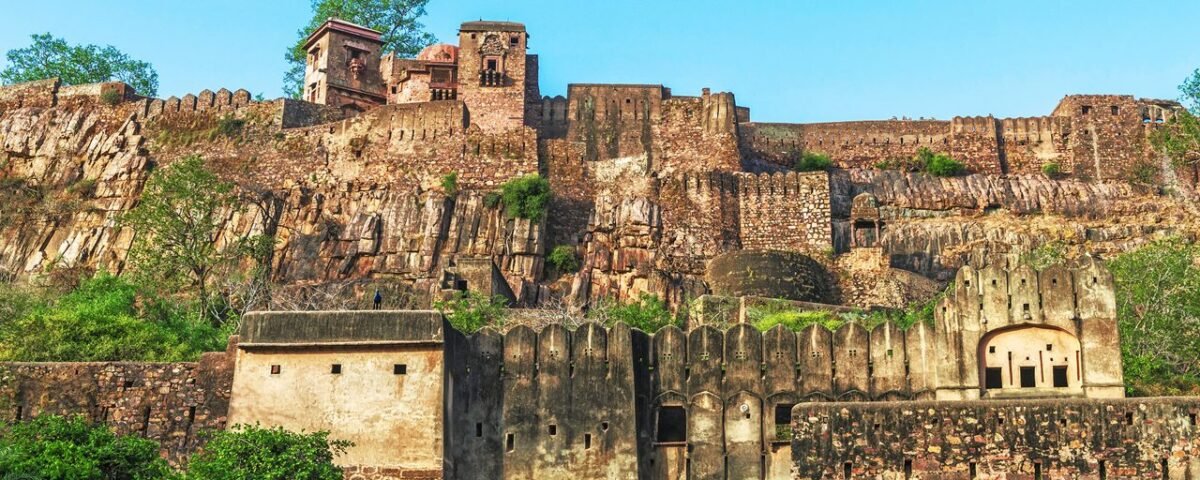
Sawai Madhopur serves as the primary gateway to one of northern India’s most rugged ecological landscapes. Tucked away on the fringes of the Aravalli and Vindhya ranges, this historic region presents an extraordinary convergence of dense dry-deciduous forests, ancient fortifications, and deeply rooted Rajasthani culture. For wildlife enthusiasts, photographers, and heritage travelers, navigating this landscape requires practical, field-tested insights into seasonal wildlife behavior, administrative zoning, and historical landmarks. Staying at a dedicated luxuy resort in Ranthambore provides the basecamp needed to balance rugged wilderness expeditions with genuine comfort.
Exploring Ranthambore National Park
The national park forms the core attraction of Sawai Madhopur, spanning diverse terrain that features steep cliffs, dry dhok woodlands, open savannahs, and large perennial lakes. The park is administratively divided into ten safari zones to manage visitor impact and optimize wildlife preservation. Zones 1 through 5 represent the historic core, renowned for scenic water bodies like Padam Talao, Rajbagh, and Malik Talao, where tiger tracking often overlaps with sightings of mugger crocodiles, sambar deer, and marsh birds. Zones 6 through 10 comprise buffer sections that feature rocky escarpments, ravines, and high ridges frequented by leopards, striped hyenas, and sloth bears.
Safari planning requires attention to season and time of day. Morning drives offer exceptional golden-hour photography and opportunities to track fresh pugmarks left during the night. Afternoon safaris frequently lead to sightings near watering holes, especially as temperatures climb between March and June. Advance bookings through official portals remain essential, as gypsy and canter vehicle allocations fill up months ahead during peak travel periods.
Architectural Heritage of Ranthambore Fort
Perched atop a 700-foot cliff overlooking the forest, the 10th-century Ranthambore Fort stands as a UNESCO World Heritage Site that embodies centuries of martial history. Initially fortified by the Chauhan rulers, the massive stone structure features substantial bastions, secret water cisterns, stepwells, and ancient palace ruins.
Key sites within the complex include:
- Trinetra Ganesha Temple: An active pilgrimage shrine where thousands of devotees send letters and wedding invitations each week seeking divine blessings.
- Badal Mahal and Hammir Court: Historic remnants showcasing grand stone arches, courtyards, and strategic vantage points over the surrounding jungle canopy.
- Ancient Jain Temples: Red Karauli stone shrines dedicated to Lord Sumatinath and Lord Sambhavnath, highlighting detailed carvings dating to the medieval era.
Visitors walking up the winding stone path to the fort gate frequently spot troops of grey langurs and peregrine falcons soaring along the high thermal currents of the cliff face.
Cultural and Scenic Landmarks Beyond the Reserve
Sawai Madhopur offers substantial cultural experiences beyond the park gates. The Rajiv Gandhi Regional Museum of Natural History stands out as an educational center featuring interactive dioramas that detail the biodiversity, flora, and conservation challenges of Western India. It provides critical context for both student travelers and seasoned naturalists before heading into the reserve.
A visit to Shilpgram allows travelers to observe regional artisans at work, preserving age-old Rajasthani crafts such as block printing, pottery, and woven textiles. Supporting these local co-operatives helps sustain community-based conservation, ensuring that eco-tourism proceeds benefit the indigenous families living along the reserve borders.
For landscape and bird photography, Surwal Lake and Mansarovar Reservoir offer tranquil winter locations. From November through February, these water bodies attract large flocks of migratory waterfowl, including bar-headed geese, painted storks, and demoiselle cranes, framed against peaceful rural farmland.
Recommended Sightseeing Itinerary
To experience Sawai Madhopur smoothly, balance wildlife drives with cultural excursions across multiple days.
Day 1: Arrival and Forest Fringe
Arrive in Sawai Madhopur and check into your retreat. Spend the afternoon exploring the rural trails around Sherpur village to observe traditional adobe architecture and native bird species. In the evening, visit the local artisan hubs or unwind with an introduction to park conservation provided by regional naturalists.
Day 2: Safaris and Historical Heights
Begin before sunrise with an open-top safari drive into the core zones to track apex predators along ancient lake beds. Return for mid-day rest, then spend the afternoon climbing Ranthambore Fort. Arrive at the ramparts by sunset to view the entire sanctuary bathed in evening light.
Day 3: Avian Lakes and Departure
Dedicate early morning hours to bird watching around Surwal Lake before taking a midday excursion to the Natural History Museum. Travelers seeking a romantic, hassle-free arrangement often reserve a curated Ranthambore 2N 3D couple package to secure smooth safari permit management, guided historical tours, and comfortable dining throughout the stay.
Travel Tips and Practical Advice
The sightseeing season runs from October to June, with October through March offering pleasant daytime weather and cool mornings. April through June brings warm temperatures that increase wildlife movement toward permanent water sources. When packing for morning safaris, bring windproof jackets, wide-brimmed hats, high-zoom lenses, and dust-resistant gear covers to protect electronics along dry forest tracks. Always follow park protocols: maintain quiet voices, keep vehicle distances, avoid littering, and follow your licensed guide’s safety directions implicitly.