

Spotting Asiatic Lions: Gir Safari Tour

Jaisalmer 3-Day Travel Plan: Living Fort to Sand Dunes
September 8, 2026
Why Kumbhalgarh Might Be Your Dream Rajasthan Trip
September 9, 2026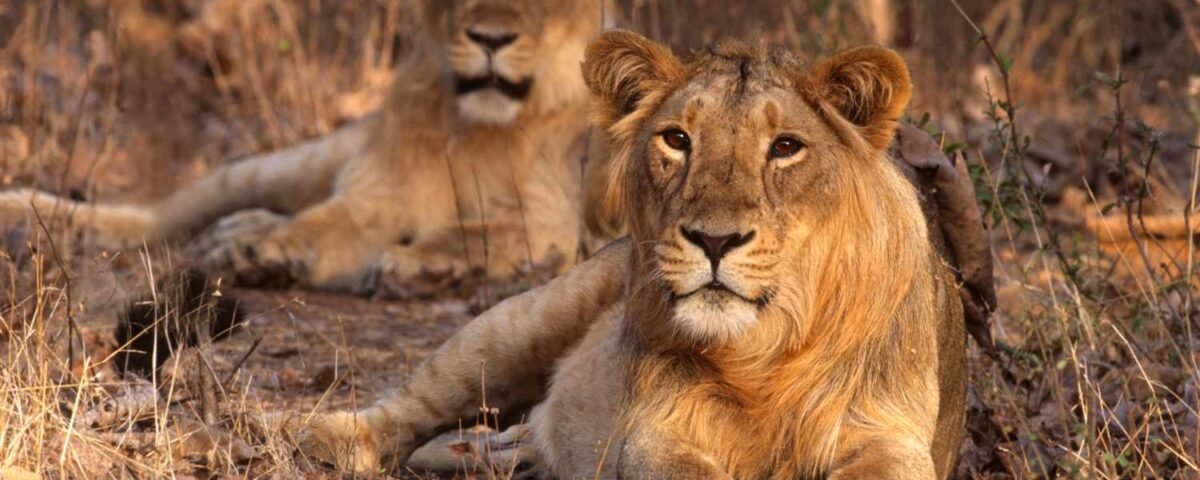
Gujarat holds a distinctive position on the global wildlife map as the exclusive natural habitat of the Asiatic lion (Panthera leo persica). Gir National Park and Wildlife Sanctuary, spread across Junagadh, Gir Somnath, and Amreli districts, represents one of the most remarkable conservation turnarounds in ecological history. For wildlife photographers, naturalists, and luxury travelers planning an expedition across western India, a well-orchestrated Gir safari provides an intimate glimpse into dry deciduous teak forests, rocky ravines, and an ecosystem thriving under strict forest department stewardship.
The Conservation Legacy of Gir National Park
The survival of the Asiatic lion is deeply rooted in timely intervention. By the dawn of the twentieth century, indiscriminate trophy hunting and severe habitat fragmentation had driven the global population down to barely a few dozen individuals. It was the decisive intervention of the Nawab of Junagadh, who declared the species protected on his private royal grounds, that averted total extinction.
Over subsequent decades, collaboration between local Maldhari pastoralist communities and the Gujarat Forest Department laid the groundwork for modern ecological management. Asiatic lions are morphologically distinct from their African cousins: they tend to be slightly smaller, feature a shorter and sparser mane that leaves their ears prominently exposed, and possess a characteristic longitudinal fold of skin running along their bellies. Today, hundreds of lions roam the Greater Gir landscape, supported by robust populations of spotted deer (chital), sambar, nilgai, and wild boar.
Planning the Safari: Routes, Timing, and Practical Logistics
A successful jungle expedition requires meticulous advance preparation, particularly regarding permits, seasons, and safari slots. The forest department manages access through fixed entry gates and designated routes to minimize stress on the resident fauna.
Safari Windows and Seasons
Gir National Park remains closed during the annual monsoon period, typically from mid-June to mid-October, allowing the forest to regenerate and wildlife to breed undisturbed. The park opens from mid-October through mid-June.
- Winter (November to February): Crisp morning temperatures and moderate afternoons make this period exceptionally comfortable for long open-top gypsy drives. Wildlife often rests along sunlit tracks during early morning hours.
- Summer (March to May): While ambient daytime temperatures climb significantly, the sparse dry deciduous canopy improves visibility. Animals congregate near drying riverbeds and waterholes, creating prime conditions for tracking apex predators.
Morning vs. Afternoon Game Drives
Standard open-jeep safaris operate during specific operational shifts:
- Early Morning (6:00 AM to 9:00 AM): The ideal window for active tracking. Big cats often patrol territorial boundaries before the heat intensifies.
- Late Morning (9:00 AM to 12:00 PM): Suitable for birdwatching and observing ungulate herds near shady patches.
- Late Afternoon (3:00 PM to 6:00 PM): As temperatures drop, predators awaken from midday slumber, offering dramatic golden-hour lighting for photography.
Advance booking on the official forest portal is essential, as vehicle quotas per route are strictly capped. In addition to the core sanctuary routes, the nearby Devalia Safari Park (Gir Interpretation Zone) provides fenced wilderness drives, serving as an excellent introductory alternative for travelers on tighter transit schedules.
Essential Field Ethics and Wildlife Etiquette
Sustaining the delicate balance of Gir requires strict adherence to ethical wilderness protocols. Forest guides and authorized drivers accompanying each vehicle ensure compliance with local regulations.
- Keep clothing colors muted: tones of olive green, khaki, brown, and beige blend into the dry vegetation without alarming wildlife.
- Avoid bright synthetic fabrics, strong colognes, or noisy gear.
- Remain seated inside the safari gypsy at all times; disembarking outside designated rest stations is illegal.
- Maintain complete silence when approaching animal clusters; loud voices, sudden movements, or phone sounds provoke defensive reactions.
- Never encourage drivers to edge closer than regulations permit; respecting the flight distance of big cats ensures natural, stress-free behavior.
Crafting a Seamless Gujarat Itinerary
A safari to Gir is rarely an isolated journey; it pairs naturally with the broader cultural, heritage, and architectural circuits of Gujarat. Most international and domestic travelers arrive via Ahmedabad or the state capital, using the urban corridor as their primary logistical staging point before heading southwest into Saurashtra.
For travelers who prioritize seamless connectivity, restorative wellness facilities, and refined hospitality prior to departing for long highway journeys, reserving a stay at a premier 5 Star hotel in Gandhinagar ensures world-class comfort. Anchoring your journey at Gift City Club allows you to transition smoothly between corporate hubs, state landmarks, and heritage circuits. Following early morning departures or late evening arrivals, exploring distinguished restaurants in Gandhinagar offers a welcome culinary interlude, showcasing masterfully curated regional flavors alongside diverse international menus.
Combining the raw wilderness of Gir’s scrub forests with refined urban hospitality provides a balanced, comprehensive experience of Gujarat’s conservation achievements, cultural traditions, and modern hospitality standards.