
Is Granite Right for Your Office? Key Pros and Cons

Top Tips for Booking a Wedding Venue in Ahmedabad
September 12, 2026
Patwon Ki Haveli: The Pride of Jaisalmer
September 12, 2026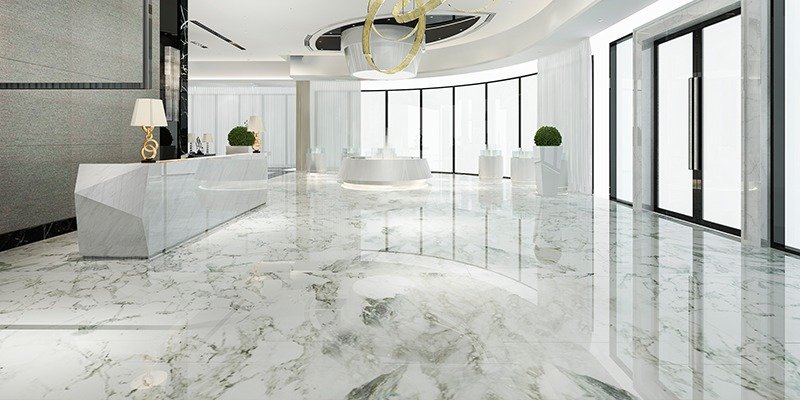
Selecting materials for a commercial workspace demands a balance between practical function and refined aesthetics. Natural stone has long been a staple in corporate environments, favored for reception counters, boardroom tables, executive pantry worktops, and high-traffic flooring. When evaluating whether granite suits your commercial layout, assessing real-world durability, lifecycle costs, and architectural impact is essential. Galaxy Exports works directly with commercial architects, interior specifiers, and corporate builders to evaluate stone surfaces for demanding office environments.
The Operational Demands of Modern Office Spaces
Commercial spaces experience wear patterns distinct from residential properties. Daily foot traffic, moving equipment, cleaning chemical exposure, and constant interaction in communal areas require surfaces that resist premature deterioration. A reception desk, for instance, serves as the central visual anchor of a corporate headquarters while enduring constant contact from visitors, parcels, and digital equipment. Similarly, collaborative breakout zones and corporate cafeterias face regular spills containing coffee, tea, and acidic beverages. Determining whether granite fits these conditions involves reviewing its functional strengths alongside its inherent structural characteristics.
Key Advantages of Granite in Office Design
Granite provides distinct advantages that align well with high-usage business facilities.
- Structural Hardness and Scratch Resistance: Formed under intense heat and pressure beneath the earth’s crust, granite rates between 6 and 7 on the Mohs hardness scale. In an office setting, this density prevents scratches from laptops, briefcases, keys, or moving desk accessories across conference surfaces.
- Thermal Endurance: Boardrooms and breakrooms frequently accommodate hot serving dishes, beverage carafes, and thermal equipment. Granite handles extreme temperature variance without blistering, warping, or discoloring, preserving its polished surface under heavy corporate hospitality use.
- Distinct Architectural Value: Every granite quarry bed yields distinct mineral veining, crystalline feldspar deposits, and quartz variations. Procuring materials through an experienced granite supplier in India provides businesses with access to premium dimensional slabs that create singular, upscale impressions in client-facing reception suites.
- Lifecycle Value: Although initial capital expenditure exceeds synthetic laminates or solid surface acrylics, granite lasts decades without needing replacement. Standard re-sealing intervals maintain the stone’s structural stability, making the overall cost of ownership favorable over multi-year corporate leases.
Potential Limitations to Consider Before Installation
While durable, granite presents specific design and installation considerations that project managers must plan for.
- Structural Load and Weight: Granite weighs approximately 18 to 20 pounds per square foot at standard commercial thicknesses. Integrating large expanses onto upper-level floors or custom cantilevered desks requires structural analysis and reinforced millwork to handle static dead loads safely.
- Surface Porosity and Maintenance Protocols: Granite contains microscopic fissures and pores. In unsealed or improperly sealed installations, standing spills like ink, industrial coffee, or citrus juices can seep into the stone matrix and create stubborn subsurface stains. Corporate maintenance teams must establish regular sealing cycles to keep the protective barrier intact.
- Rigid Acoustic Dynamics: Open-plan offices struggle with ambient noise control. Unlike acoustic paneling, carpeting, or composite wood, natural granite creates a hard, sound-reflective boundary. Designers using large slabs for tabletops or lobby floors should combine the stone with sound-dampening ceiling baffles, fabric wall treatments, or area rugs to control room acoustics.
- Substructure Fabrication Demands: Securing consistent coloration across extensive multi-slab installations requires sourcing from uniform quarry blocks. Working with a dedicated natural stone block supplier ensures dimensional stability, color matching, and uniform thickness across large-scale commercial fit-outs where visual harmony across adjacent rooms is mandatory.
Best Commercial Applications for Granite Worksurfaces
Understanding where granite yields the highest functional return prevents unnecessary budget overruns. Executive reception desks maximize the stone’s dramatic veining, delivering an authoritative first impression to stakeholders. Boardroom conference tables provide smooth, durable, and easily sanitizable surfaces that withstand daily technological accessories and meetings. Executive restrooms benefit from granite vanity tops, as the stone resists high moisture levels and harsh cleaning disinfectants when properly sealed. High-turnover staff kitchens and communal pantries gain resilience against heat, moisture, and impact damage.
Making the Final Decision for Your Workspace
Assessing granite for corporate spaces comes down to evaluating expected usage against ongoing upkeep requirements. If your project prioritizes visual authority, resistance to mechanical wear, and multi-decade longevity, granite remains an outstanding choice for commercial offices. Galaxy Exports supports corporate design teams, architects, and procurement leads with comprehensive technical stone grading, testing data, and specialized slab selection tailored to commercial scale and performance standards. By pairing appropriate quarry selections with skilled engineering and regular maintenance, granite transforms an office interior into an enduring showcase of natural strength and sophistication.