

Patwon Ki Haveli: The Pride of Jaisalmer

Is Granite Right for Your Office? Key Pros and Cons
September 12, 2026
From Lakes to Dunes: Udaipur to Jaisalmer Tour Plan
September 12, 2026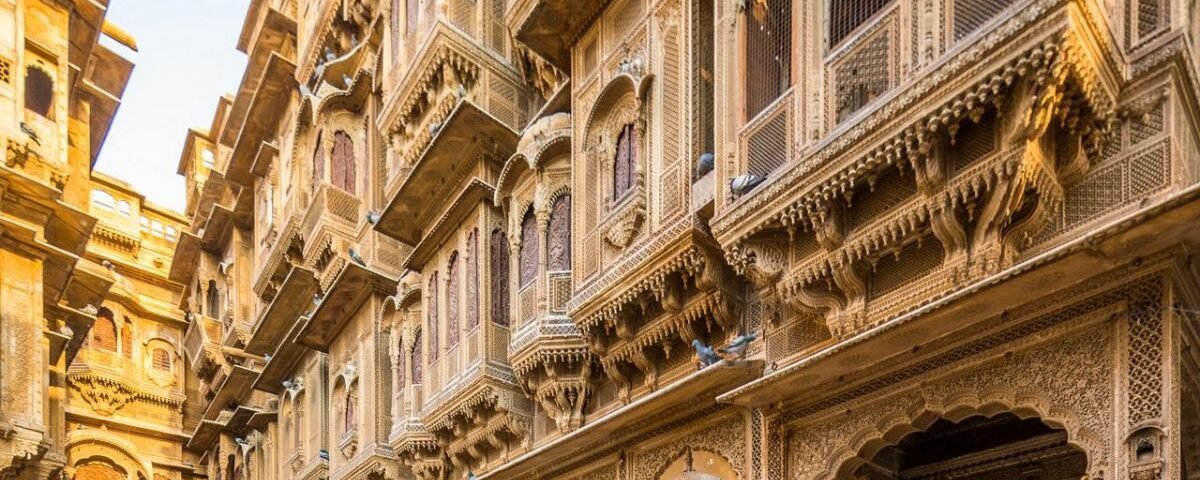
The golden city of Jaisalmer rises out of the Thar Desert like a mirage constructed from sand, myth, and medieval commerce. While the living fort of Sonar Qila commands the skyline, the true soul of Jaisalmer’s merchant past resides within its historic havelis. Among these architectural masterpieces, Patwon Ki Haveli stands as an unmatched marvel of Rajasthani artistry, merchant enterprise, and timeless craftsmanship.
The Origins of a Golden Legacy
Patwon Ki Haveli is not merely a single home; it is a cluster of five interconnected mansions built across fifty years in the early nineteenth century. Commissioned in 1805 by Guman Chand Patwa, an affluent merchant dealing in brocade, precious metals, and opium, the estate was conceived as five independent residences for his five sons. The Patwa family operated extensive international trade networks stretching across Central Asia, China, and Europe, generating fortunes that were subsequently converted into sandstone architecture.
Locally known as the “Mansion of Brocade Merchants,” the structure pays tribute to both the material goods the family traded and the textile-like precision of the carving itself. Skilled artisans worked local yellow sandstone with such fine chiseling that massive rock facades took on the delicate appearance of embroidered fabric.
Architectural Brilliance and Desert Engineering
The complex features over sixty intricately carved balconies, known as jharokhas, alongside ornate archways, pillared courtyards, and detailed stone lattice screens (jaalis). These features served practical climatic functions rather than merely decorative ones. The jaali screens were carefully engineered to accelerate incoming breezes through the Venturi effect, maintaining cooler ambient temperatures inside during blazing desert summers while preserving domestic privacy.
Each of the five mansions possesses a distinctive aesthetic layout:
- The First Haveli (Kothari’s Patwa Haveli): The most meticulously restored wing, featuring original Belgian glasswork, vibrant frescoes depicting royal processions, and an expansive private museum showcasing nineteenth-century merchant artifacts.
- The Second and Third Havelis: Noted for their grand central courtyards, high timber-beamed ceilings, and deep basements once utilized for safe trade goods storage.
- The Fourth Haveli: Distinguished by floral stone friezes and ceiling paintings rendered in natural mineral pigments.
- The Fifth Haveli: Under the care of the Archaeological Survey of India (ASI), preserving raw stone finishes and unadorned structural joints that demonstrate the master masonry techniques of the era.
Stepping Inside: A Firsthand Historical Journey
Crossing the high stone thresholds of Patwon Ki Haveli reveals an immediate transition from the bustling market lanes of Jaisalmer into a shaded, tranquil interior. The corridors wind upward through steep stone staircases designed deliberately narrow for security.
Rooms open up into ceremonial meeting halls (diwan-khanas) covered in miniature paintings, gold-leaf embellishments, and mirror mosaics that once sparkled under oil lamps. In the living quarters, one encounters antique wooden chests, turbans preserved behind glass, period silver hookahs, and merchant ledgers with handwritten records of trans-desert transactions. Standing on the uppermost terrace provides an unobstructed panorama of the surrounding golden sandstone city and the ramparts of Jaisalmer Fort resting against the desert horizon.
Planning Your Visit: Essential Practical Details
To appreciate the craftsmanship without midday heat or heavy foot traffic, plan your visit during early morning hours.
- Location: Patwa Complex, Sadar Bazar, approximately ten minutes from the main gate of Jaisalmer Fort.
- Visiting Hours: Daily from 9:00 AM to 6:00 PM.
- Ideal Timing: October through March provides comfortable desert temperatures for exploring the multi-story complex on foot.
- Time Required: Allocate two to three hours to explore both the ASI-maintained sections and the private museum.
Balancing Heritage Exploration and Desert Stays
Experiencing Jaisalmer requires balancing town-based architectural discovery with the vast, quiet wilderness beyond the city walls. While heritage quarters showcase Rajasthan’s historic urban wealth, spending your nights under the open desert sky completes the journey. Staying at a luxury camp in Jaisalmer offers modern comfort, folk music around evening fires, and genuine Rajasthani hospitality amidst the dunes. For travelers wanting to blend cultural appreciation with an adrenaline rush across the sand ridges, engaging in curated Jaisalmer adventure activites such as dune bashing, camel safaris, and quad biking provides an unforgettable perspective on the Thar.
Patwon Ki Haveli remains an enduring testament to what human vision, boundless merchant resources, and generational stonemasonry could build out of raw desert rock. It remains not only an architectural treasure of Rajasthan, but the defining pride of Jaisalmer.