
Best One-Day Jaisalmer Sightseeing Itinerary

Jaisalmer in 3 Days: Forts, Dunes & Sightseeing
September 19, 2026How to Explore Sam Sand Dunes in Just One Day
September 19, 2026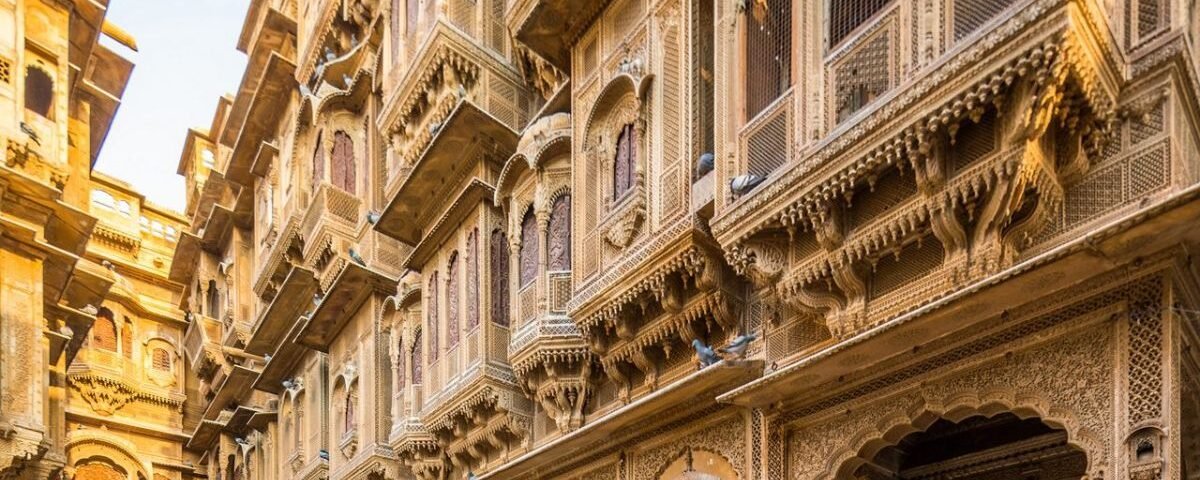
Planning a trip to the Golden City requires a balance of early morning architecture walks, cultural immersion, and an unforgettable evening across golden sand dunes. With decades of hands-on driving and guiding experience across the Thar Desert, the team at Atithi Cabs has curated this practical, field-tested guide to help travelers maximize every hour of a single day in Jaisalmer without feeling rushed or overwhelmed by desert logistics.
Morning: Heritage, Architecture, and Golden Fort Exploration
08:00 AM – Peaceful Morning Walk at Gadisar Lake
Begin your day at Gadisar Lake just before the sun gains strength. Built in the 14th century by Maharawal Gadsi Singh as a rainwater conservation reservoir, this historic water body provided water to the entire fort community for centuries. The stone archway known as Tilon Ki Pol frames the morning light across carved shrines, chhatris, and pavilions resting gently in the water. An early visit offers calm surroundings, cool breezes, and clear reflections of yellow sandstone before morning tour groups arrive.
09:30 AM – The Living Wonder: Jaisalmer Fort (Sonar Qila)
From the lake, head directly to Sonar Qila, one of the few fully functioning living forts in the world. Approximately a quarter of the old city’s population still resides within these double-layered sandstone ramparts. Enter through the series of colossal wooden and iron gates—Suraj Pol, Ganesh Pol, Hawa Pol, and Akshya Pol—to reach Dussehra Chowk. Inside, wander past traditional residences, centuries-old balconies with stone lattice work, and the intricately carved 12th-century Jain Temples dedicated to Tirthankaras Rishabhdev and Sambhavnath. Exploring on foot with sturdy walking shoes allows you to appreciate the cooling effect of the narrow alleyway design, an ancient engineering method suited for desert climates.
11:30 AM – Masterpieces of Stone: Patwon Ki Haveli and Salim Singh Ki Haveli
Descend into the old settlement below the fort walls to visit the grand residential mansions constructed by wealthy traders during the Silk Route era. Patwon Ki Haveli is a cluster of five distinct mansions built by a prosperous brocade merchant for his sons, featuring over sixty balconies decorated with filigree carvings. A short walk brings you to Salim Singh Ki Haveli, known for its distinctive peacock-shaped roof brackets and cantilevered upper floor. Spending an hour here provides a deep look into the domestic lifestyle, traditional cooling techniques, and wealth of medieval Rajasthani merchants.
Afternoon: Local Flavors and Thar History
01:00 PM – Authentic Rajasthani Lunch
Escape the midday heat inside an air-conditioned traditional restaurant. Sample classic Marwari dishes designed for high-heat desert environments: Ker Sangri (desert bean and berry preparation), Dal Baati Churma cooked with pure ghee, and cooling smoked-cumin buttermilk. Taking an extended break during peak afternoon temperatures is critical for preserving energy before the outdoor desert segment.
02:30 PM – Thar Heritage Museum and Local Markets
Before heading outside the main town, stop at the Thar Heritage Museum or take a brisk walk through Sadar Bazaar and Manak Chowk. Here, local artisans display hand-embroidered textiles, mirror-work quilts, leather camel-hide footwear, and genuine fossil stone souvenirs. These stops give direct insight into the living craft traditions maintained across generations of desert communities.
Late Afternoon and Evening: Desert Excursion
03:30 PM – Ghost Village of Kuldhara and Bada Bagh
Begin the desert-bound route toward Sam Sand Dunes. Your first stop is Bada Bagh, a quiet hill complex of cenotaphs erected in honor of former Bhatti rulers of Jaisalmer, situated next to an ancient dam and windmill farm. From there, proceed toward Kuldhara, an abandoned 13th-century settlement once inhabited by prosperous Paliwal Brahmins. The empty stone houses, dry wells, and intact grid streets tell the story of overnight migration to protect community honor against taxation and tyranny.
04:30 PM – Journey to Sam Sand Dunes
To cover these scattered desert destinations seamlessly, booking a dedicated Jaisalmer sightseeing taxi ensures you arrive at Sam Sand Dunes well ahead of sunset without navigating unpaved desert roads on your own.
05:30 PM – Sunset Over the Dunes and Cultural Night
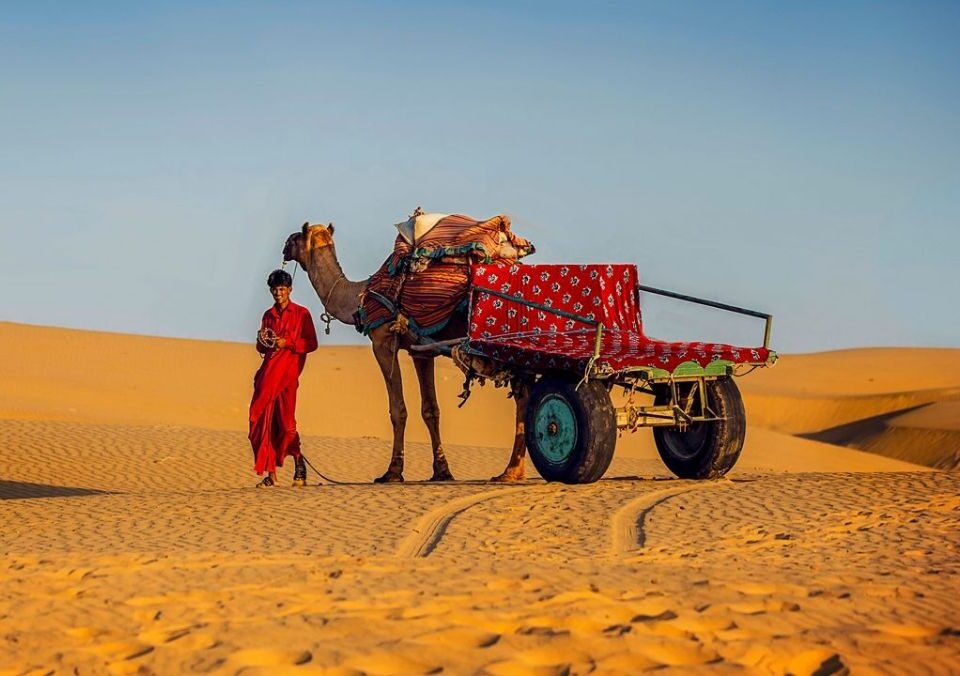
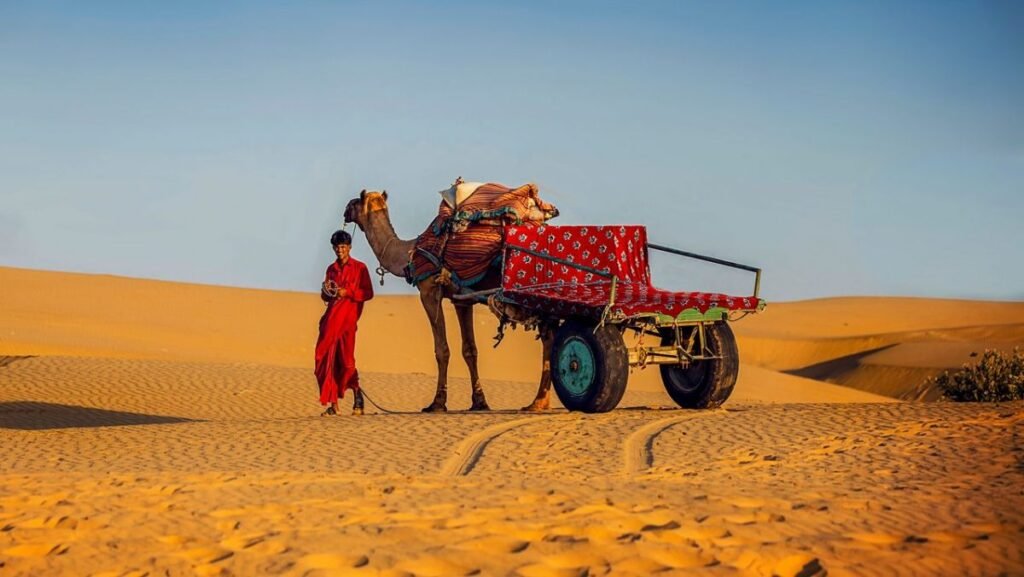
Arrive at Sam Dunes as the sandstone ridges shift from gold to deep amber. You can choose a guided camel trek along the crests or take an open-jeep dune-bashing excursion across the soft sand terrain. As twilight settles, traditional desert camps host evening performances featuring Kalbeliya dancers, Manganiyar folk vocalists playing the kamaicha, and traditional fire acts under the night sky.
Essential Practical Tips for Jaisalmer Day Trips
Best Season and Timing
The ideal window to explore Jaisalmer runs from October to March, when daytime temperatures hover between 20°C and 28°C. During summer months, midday desert heat frequently exceeds 42°C, making outdoor sightseeing difficult after 10:00 AM.
Transportation and Group Logistics
Navigating historic desert towns requires careful vehicle selection based on your party size. While solo travelers or couples manage comfortably in compact vehicles, families and large tour groups often choose to hire tempo traveller in Rajasthan to ensure adequate luggage room, dedicated air conditioning, and comfortable seating across long desert stretches. If your broader travel itinerary begins in Southern Rajasthan’s Lake City, securing a reliable taxi service in Udaipur guarantees experienced highway chauffeurs who understand Mewar-to-Marwar intercity routes, vehicle cooling maintenance, and safe highway driving practices.
Clothing and Hydration
Wear breathable cotton fabrics, polarized sunglasses to guard against harsh sand glare, and a brimmed sun hat or scarf. Keep sufficient bottled water and electrolyte packets handy throughout the day to avoid dehydration in the arid desert air.