

Ranthambore Winter Itinerary: Best Safaris & Stay

Jawai Weekend Plan: Leopard Safari & Rabari Lore
October 1, 2026
Dermatologist Guide: Treat Sun Damage Fast
October 1, 2026Ranthambore Winter Itinerary: Best Safaris & Stay
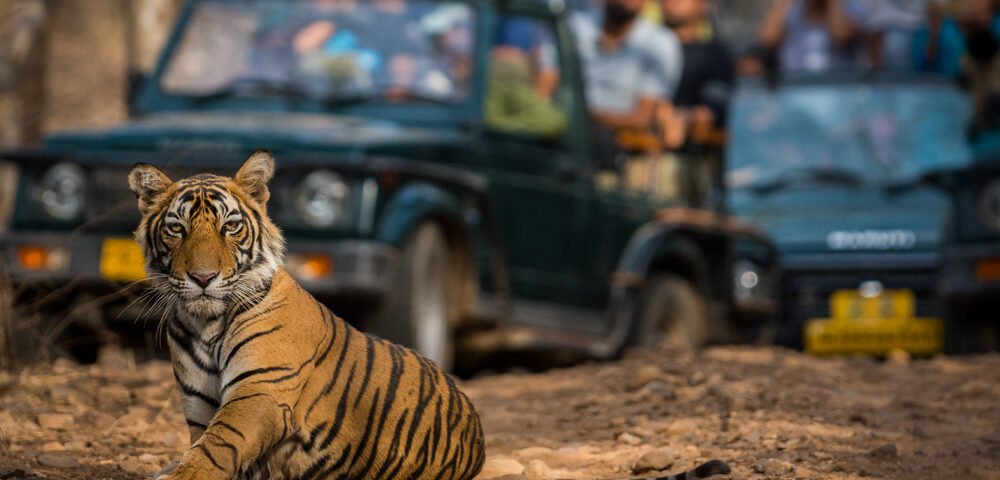
Showstopper A tiger cub at Ranthambore Tiger Reserve, India
Winter brings crisp morning mists, golden afternoon light, and comfortable temperatures ranging between 10°C and 22°C to the scrub forests of southeastern Rajasthan. For wildlife photographers, families, and solo explorers, November through February represents the peak window to observe the Royal Bengal Tiger in its natural habitat. During these cooler months, big cats avoid the heavy thickets during the day and can frequently be seen sunning themselves along open ridges, rocky outcrops, and near the banks of water reservoirs. Crafting a balanced trip requires careful planning of forest entry permits, route selection, and choosing an authentic base that allows you to recharge in comfort between adventurous game drives.
Preparing for the Winter Wilderness
Planning ahead is critical when organizing a safari expedition in Sawai Madhopur. The reserve functions under strict forest department regulations to minimize disturbances to indigenous wildlife. Each day features two safari shifts: an early morning trip starting around 7:00 AM and an afternoon drive beginning around 2:00 PM. Morning rides through the open dry deciduous foliage can be piercingly cold before the sun crests the Aravali ridges. Travelers should pack windproof jackets, wool beanies, gloves, and protective lens wraps to keep fine dust and cold air at bay. Securing your vehicle allocations and permits weeks before departure is essential, as the park caps daily vehicle admissions to maintain ecological balance. Booking a canter safari tour in Ranthambore provides an elevated, open-top vantage point that works exceptionally well for large travel groups and birdwatchers wanting panoramic views across dense shrubbery.
Day 1: Arrival, Settling In, and Fort Exploration
Arrive in Sawai Madhopur by midday, either via direct rail connections or a scenic drive from Jaipur. After checking into your property, take the afternoon to adjust to the tranquil rhythm of the surrounding countryside. Choosing a well-situated luxury resort in Ranthambore ensures you have access to plush bedding, dedicated safari concierge desks, warm water, and hearty, wholesome meals designed to fuel long field excursions.
Spend your initial afternoon visiting the 10th-century Ranthambore Fort, perched high on a plateau overlooking the entire sanctuary. A walk inside the ramparts reveals panoramic lookouts over Padam Talao lake, ancient stepwells, and the revered Trinetra Ganesh Temple. From these cliff-top bastions, keep an eye out for soaring vultures, marsh crocodiles basking on lake margins below, and langur troops foraging along stone walls. Return to your base as the sun sets over the hills, unwind by an outdoor fire, and turn in early before the dawn safari.
Day 2: The Core Game Drives and Lake Zones
Your second day is dedicated to deep wildlife immersion. Rise at dawn with a hot cup of spiced tea or coffee before heading to the entry gates for your morning safari. Winter mornings are dynamic; alarm calls from spotted deer (chital), sambar, and peacocks echo through the ravines, often signaling the movement of a tiger or leopard on patrol.
- Zones 1 to 5: Known historically for high cat densities, these routes traverse iconic landmarks like Rajbagh ruins, Malik Talao, and scenic lakeside forest corridors where tigers frequently stalk prey or rest among ancient stone structures.
- Midday Downtime: Return to your stay by 10:30 AM to rest, review your morning photos, savor a traditional Rajasthani lunch, and soak up the gentle midday sun.
- Zones 6 to 10: Heading back out for your afternoon shift around 2:00 PM brings an entirely different visual landscape. These outer routes present starker hill slopes, deep gorges, and open plateau clearings where sloth bears, striped hyenas, and caracals occasionally emerge as the shadows lengthen.
Conclude the day listening to local naturalists share field observations around the dinner table, gaining valuable insights into recent pugmark tracking and territorial shifts among resident tiger families.
Day 3: Birding, Village Walks, and Departure
Use your final morning to explore the quieter natural wonders flanking the reserve boundaries. Winter brings numerous migratory waterfowl, raptors, and waders to the surrounding lakes and marshes. A guided nature walk along the village edges or a visit to nearby Surwal Lake offers remarkable opportunities to photograph painted storks, bar-headed geese, spoonbills, and common cranes.
Take time to interact with local artisans who specialize in traditional woodblock prints, hand-loomed textiles, and tiger paintings that help sustain community conservation initiatives. Savor a final leisurely breakfast back at the retreat, pack your luggage, and prepare for your onward journey. With mindful planning, experienced safari drivers, and a comfortable retreat to return to each evening, a winter expedition to Ranthambore leaves you with profound memories of wild India at its very finest.