

How to Plan an Unforgettable Desert Camping Trip Under the Stars

Detailed Guide to All Different Ranthambore Safari Zones Now
October 12, 2026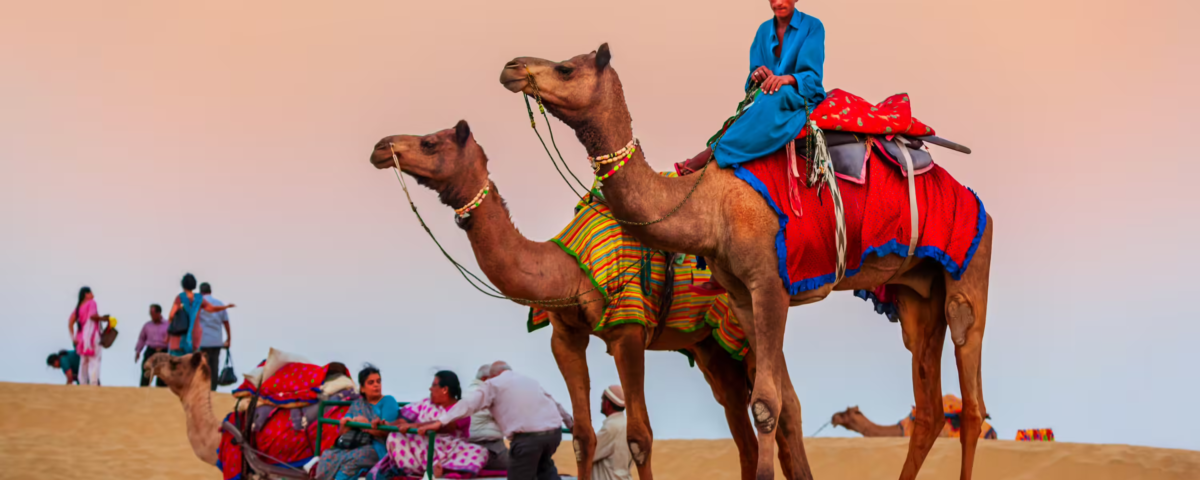
Planning an excursion into the vast dunes of the Thar Desert requires balancing wilderness adventure with meticulous logistical preparation. Camping beneath a canopy of stars surrounded by undulating gold ridges is an ancient ritual transformed into one of the most rewarding journeys in Rajasthan. The desert ecosystem presents distinct environmental characteristics that demand practical forethought regarding seasonality, accommodation structure, route planning, and outdoor safety. Understanding these critical elements ensures that your stay remains culturally authentic, safe, and deeply memorable.
Timing Your Thar Desert Expedition
The weather profile of western Rajasthan dictates the feasibility of open-sky camping. The region experiences extreme diurnal temperature swings, with daytime sun exposure transitioning rapidly into cool night conditions.
October through March constitutes the optimal window for exploring the dunes. During these months, clear atmospheric conditions provide unimpeded night-sky clarity, while daytime temperatures range between twenty and twenty-five degrees Celsius. Mid-winter nights regularly drop below single digits, making proper thermal preparation necessary. Attempting excursions during summer months introduces severe heat risks, with temperatures routinely exceeding forty-five degrees Celsius alongside intense desert winds. Choosing mid-season windows preserves personal comfort and ensures safe exploration across the dunes.
Choosing Your Base and Tent Accommodations
Selecting an established desert base determines both your safety and overall level of comfort. Traditional desert stays provide heavy-duty Swiss cottage tents built specifically to withstand shifting sands and overnight wind bursts. These setups feature secured double-fly roofs, attached bathrooms with proper plumbing, and windbreak barriers.
When planning your itinerary, selecting a reputable camp in Jaisalmer ensures verified baseline facilities, including filtered drinking water, round-the-clock on-site support, and reliable power backup. Evaluating inclusions ahead of time helps match accommodation styles with your travel expectations. Detailed Jaisalmer tent booking packages provide transparent breakdowns covering luxury Swiss tents, evening folk performances, meals, and guided transfers, preventing unexpected logistical gaps upon arrival.
Navigating Dune Exploration and Desert Activities
Navigating the Thar Desert involves a mix of slow-paced traditional travel and high-traction vehicle excursions. Balancing these pursuits prevents physical exhaustion under the sun while offering different vantage points of the landscape.
Traditional camel safaris offer an unobtrusive, rhythmic way to navigate ridgelines and observe desert flora and fauna. Experienced local camel handlers understand shifting dune formations, animal welfare principles, and route navigation. For visitors seeking higher-speed pursuits, 4×4 dune bashing across expansive sand tracks provides a thrilling alternative under professional vehicle handling. Reviewing curated Jaisalmer adventure activities allows you to balance dune bashing, camel safaris, quad biking, and guided photography tours into a structured, realistic daily schedule.
Essential Packing List for Desert Survival and Comfort
Packing for remote sands requires specialized gear that handles wide temperature variance, fine dust intrusion, and continuous sun exposure.
- High-SPF broad-spectrum sunscreen, polarized sunglasses, and wide-brimmed sun hats for daytime protection.
- Lightweight cotton or linen base layers for daytime heat, alongside fleece mid-layers and down jackets for freezing nights.
- Heavy-duty dustproof camera pouches or sealable zip bags to safeguard electronics and lenses from fine sand particles.
- Closed-toe hiking shoes with breathable mesh to comfortably navigate hot sand ridges without slippage.
- Personal hydration flasks, electrolyte powders, and targeted lip balm formulated with beeswax or petroleum.
Evening Astronomy and Stargazing Protocol
The Thar Desert maintains exceptionally low levels of light pollution, making the perimeter of Sam and Khuri dunes renowned for celestial viewing. Planning your nighttime observation around moon cycles maximizes visibility of nebulae, star clusters, and the Milky Way core.
Visiting during new moon phases creates the darkest skies, enabling naked-eye views of prominent constellations and passing satellite tracks. Desert night air can feel damp and crisp despite daytime aridity, so having insulated seating or wool blankets ready near your campsite enhances the viewing experience. Refrain from using intense white-light torches; instead, utilize low-intensity red headlamps to preserve natural night-vision adaptation while navigating camp perimeters after dark.
Environmental Stewardship and Cultural Etiquette
The desert is a delicate, living ecosystem populated by wildlife such as the chinkara gazelle and desert fox, as well as pastoral communities deeply rooted in Rajasthani heritage. Respecting both the natural terrain and human traditions is paramount for sustainable exploration.
Follow strict leave-no-trace protocols by carrying all non-biodegradable waste back to base camp rather than leaving plastic wrappers or bottles in the dunes. When interacting with local musicians, folk dancers, and camel drivers, maintain respectful engagement and seek permission prior to capturing portrait photography. By prioritizing responsible wilderness habits and partnering with organized local camps, you safeguard the natural splendor of the Thar Desert for generations to come.

