
The Best 2-Day Jaisalmer Itinerary: Desert Camps & Top Sights

5-Day Gujarat Travel Guide: Top Sights & Route
October 13, 2026
How to Plan a 3-Day Kashmir Tour: Top Sightseeing Highlights
October 14, 2026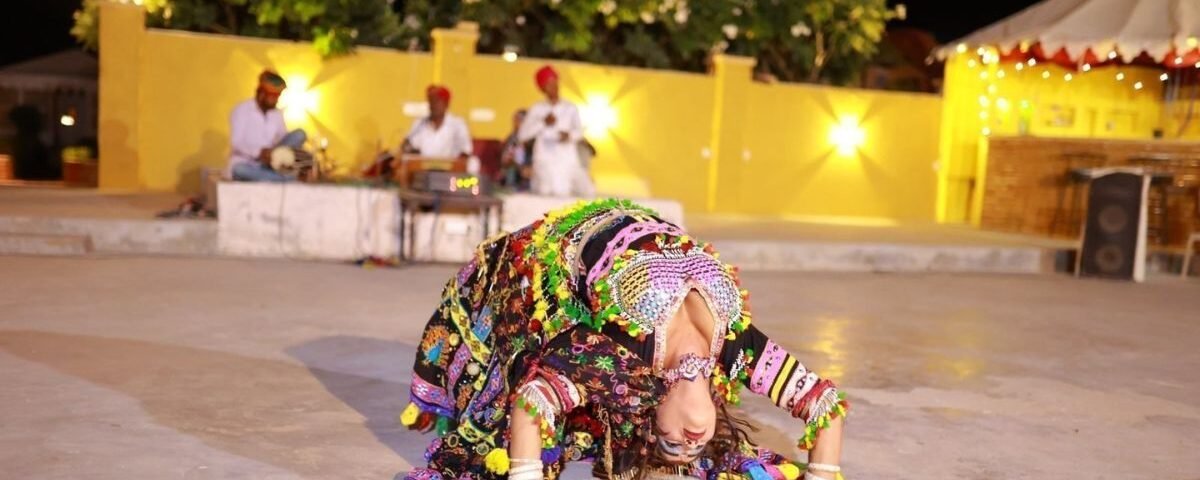
Jaisalmer rises out of the Thar Desert like a mirage carved from golden sandstone. Known across the world as the Golden City, this historic desert outpost offers travelers an unforgettable encounter with medieval architecture, lively desert culture, and shifting sand dunes. Planning a short escape requires careful balance between exploring architectural wonders and venturing into the silent dunes. As a dedicated tour operator in Rajasthan, Rajasthan Yatra curates firsthand desert journeys that highlight regional culture and local desert hospitality. This balanced two-day schedule helps you discover the city’s living fort, intricate merchant mansions, and legendary desert camps without rushing.
Day 1: Exploring the Living Fort and Intricate Haveli Architecture
Morning: The Winding Bastions of Jaisalmer Fort
Begin your journey inside Sonar Qila, or Jaisalmer Fort, one of the few fully functional living forts in the world. Built in 1156 AD by the Rajput ruler Rawal Jaisal, this UNESCO World Heritage Site houses thousands of residents within its honey-colored ramparts. Walk through the four colossal gateways—Ganesh Pol, Suraj Pol, Bhut Pol, and Hawa Pol—to reach the central palace square.
The Raj Mahal palace museum displays royal armor, antique turbans, and personal artifacts belonging to the Bhati Rajput rulers. Next to the palace complex stand seven interconnected Jain temples built between the 12th and 15th centuries. Carved from fine yellow sandstone, the ceilings and pillars depict deities, celestial musicians, and intricate floral traceries that capture morning light beautifully. Stroll through the quiet interior lanes where local families hang vibrant tie-dye fabrics, brass trinkets, and miniature paintings outside centuries-old doorways.
Afternoon: The Carved Splendor of Patwon Ki Haveli and Salim Singh Ki Haveli
Descend from the fort hill toward the city settlement to explore the grand stone mansions built by wealthy merchants. The Patwon Ki Haveli complex stands as the grandest residential cluster in the city. Constructed over fifty years by Ghuman Chand Patwa for his five sons, this five-story mansion features sixty individual balconies adorned with stone lattices known as jali work. These lattices were designed to invite desert breezes while shielding residents from direct sun.
A brief walk takes you to Salim Singh Ki Haveli, recognizable by its peacock-shaped upper brackets and vaulted pavilions. Admire Nathmal Ki Haveli nearby, commissioned by two brothers named Hathi and Lalu, who carved the left and right sides independently with remarkable harmony. Stop for an authentic lunch featuring Ker Sangri, Gatte ki Sabzi, and hot Bajra rotis topped with fresh white butter.
Evening: Sunset Tranquility at Gadisar Lake and Vyas Chhatri
Spend the late afternoon hours near the serene waters of Gadisar Lake. Built in the 14th century by Maharawal Gadsi Singh, this artificial reservoir once served as the sole water source for the entire arid region. Enter through the ornate Tilon Ki Pol gateway, carved from sandstone by a royal courtesan. You can take a pedal boat ride across the water as migratory birds settle on water shrines and stone pavilions. Conclude your daylight hours at Vyas Chhatri, a collection of sandstone cenotaphs dedicated to sage Vyasa, which offers sweeping sunset views over the glowing fort walls.
Day 2: Sand Dunes, Cultural Nights, and Desert Wilderness
Morning: Kuldhara Abandoned Village and Desert Shrines
Leave the city center after breakfast and take the road toward the Sam sand dunes. Your first stop is the mysterious village of Kuldhara, abandoned overnight in the early 19th century by Paliwal Brahmins fleeing royal oppression. Walk among the stone ruins, roofless houses, and preserved village temple to appreciate the ancient urban planning of the desert community. Travelers planning a complete Rajasthan holidays tour often rank this atmospheric ghost village among their most memorable heritage discoveries. Continue further to visit the Khaba Fort museum, where peacocks roam among historic stone ramparts overlooking vast desert gravel flats.
Afternoon: Arrival at Sam Sand Dunes and Camel Trekking
Reach the golden ripples of the Sam sand dunes by early afternoon to check into your desert campsite. The expansive dunes shift continuously under dry winds, providing wide open horizons absent of vegetation. Settle into a traditional Swiss-style tent equipped with modern comforts designed to keep desert chill away during winter nights.
Around four in the afternoon, embark on a camel trek deep into the undulating sand ridges. The gentle rhythm of the camel caravan across wind-sculpted sand leads to vantage points where the setting sun turns the landscape from pale amber to deep crimson. Adventurous visitors can also book an open jeep safari across steep dune crests for an exciting desert thrill.
Evening: Folk Traditions and Stargazing Around the Campfire
As darkness descends, the campsite comes alive with traditional Rajasthani warmth. Local folk artists from the Manganiyar and Langa musical communities perform heartfelt ballads using traditional instruments like the kamaicha, dholak, and khartal. Watch Kalbeliya dancers perform their distinctive serpent-inspired routines around a crackling central campfire.
Dinner is served with hot dal baati churma and regional sweets prepared over open flames. Before retiring to your tent, step away from the camp lanterns into the desert night. The unpolluted desert skies offer an extraordinary field of stars, nebulae, and constellations visible to the naked eye. This overnight stay forms the crowning highlight of a Rajasthan desert adventure tour, leaving you with lifelong memories of the Thar Desert.
Practical Travel Tips for Your 2-Day Jaisalmer Trip
- Best Season to Visit: The winter months between October and March offer pleasant daytime temperatures averaging 20 to 25 degrees Celsius, making monument exploration comfortable.
- Desert Dressing: Pack lightweight cotton garments for daytime sightseeing alongside warm woolen shawls or jackets, as desert temperatures drop significantly after sunset.
- Footwear and Sun Protection: Comfortable walking shoes are essential for navigating cobblestone fort pathways, while UV sunglasses, broad-brimmed hats, and sunscreen protect against bright desert glare.
- Local Etiquette: When visiting Jain temples inside the fort, remove footwear, leather belts, and leather accessories before stepping onto temple grounds.