

Amba Mata Temple Abu Road: Full One Day Sightseeing Guide

A Full Guide to Jawai Leopard Safaris and Luxury Resort Stays
October 16, 2026
Core Graphic Design Skills Every Newbie Needs
October 16, 2026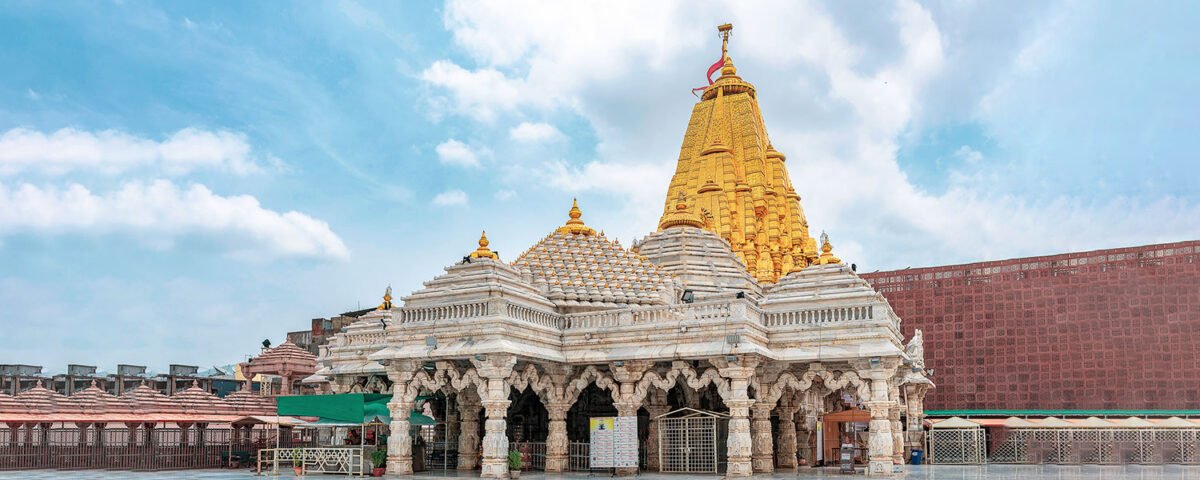
The Arasuri Ambaji Mata Temple stands as one of the fifty-one sacred Shakti Peethas in India, nestled in the rugged foothills of the Aravalli range near the Rajasthan-Gujarat border. Pilgrims and travelers frequently begin their spiritual expedition from Abu Road, located roughly twenty-two kilometers from the main shrine. This sacred precinct holds unique theological importance because no traditional stone or metal idol is seated within the inner sanctum; instead, priests venerate the holy Viso Yantra, an energized geometric plate consecrated on the wall inside a gilded alcove. Planning a day tour requires an understanding of temple darshan slots, local connectivity, rituals, and nearby geographical highlights such as Gabbar Hill. This complete itinerary provides practical, ground-tested guidance to help visitors maximize their pilgrimage experience.
Morning Journey and Sacred Sanctum Darshan
Commencing your day around six o’clock in the morning ensures a calm journey before midday heat and large queues develop. Abu Road serves as the transit nerve center with its major railway junction connecting Delhi, Mumbai, and Ahmedabad. From Abu Road, private taxis and regular local transport cover the twenty-two-kilometer stretch across state lines into Ambaji within forty-five minutes.
Upon arriving in the town of Ambaji, head directly to Chachar Chowk, the grand marble courtyard fronting the temple. The morning darshan window typically opens between seven o’clock and eleven-thirty in the morning. Footwear, cameras, leather items, and electronic devices must be deposited at the registered trust lockers before entering the queue complex.
Inside the sanctum, the gilded marble architecture glints under the morning lamps. The priests dress the sacred Gokh with vibrant garments and silver ornaments in such a style that visitors perceive the living outline of Maa Amba, though the core worship centers on the hidden holy Yantra. Spending a quiet moment in the inner prayer hall allows travelers to absorb the sacred hymns and bell chimes echoing off white Makrana stone. Traditional peda sweets and dry fruit offerings can be purchased at the official counter operated by the temple devasthan trust.
Midday Excursion to Gabbar Hill and the Holy Akhand Jyot
After concluding prayers at the main complex, proceed four kilometers west toward Gabbar Hill. Mythological traditions record Gabbar Hill as the foundational site where the heart of Devi Sati descended to earth. An eternal flame, known as the Akhand Jyot, burns continuously atop the granite summit.
Pilgrims have two practical ways to reach the mountain shrine:
- The Step Pathway: A flight of nine hundred and ninety-nine stone steps cuts up the ridge, suited for agile walkers who prefer traditional ascending vows.
- The Ropeway Cable Car: The Udan Khatola aerial ropeway takes travelers to the top within three minutes, providing panoramic vistas across the Aravalli valleys while offering comfort for seniors and children.
At the top, visitors discover the small cave shrine containing the sacred footprints of the goddess alongside views of surrounding arid ridges. Down at the foothill promenade, replicas of all fifty-one Shakti Peeth temples have been constructed around a circular parikrama route, giving pilgrims an educational walk through pan-Indian spiritual heritage.
Afternoon Leisure and Dining Around Abu Road
Following the descent from Gabbar Hill by one o’clock in the afternoon, return to Abu Road to relax and escape the midday sun. After hours of walking across stone courtyards and mountain paths, a hearty regional meal is essential. You can dine comfortably at the Best Restaurant in Abu Road, where fresh Rajasthani thalis, north Indian dishes, and garden-fresh refreshments provide wholesome restoration for exhausted travelers.
The afternoon hours also offer time to explore local roadside cottage stalls selling handmade wooden crafts, marble carvings, and pure desi ghee sweets prepared in local bazaars. Taking a rest during the three-hour temple midday closure interval ensures your group remains refreshed for the late-afternoon festivities.
Evening Light Spectacle and Return
As dusk approaches, travelers may choose to return to Ambaji for the evening Sandhya Aarti held at seven o’clock, when priests wave massive multi-tiered brass oil lamps amidst the resounding beat of brass drums. Alternatively, the trust presents a 3D projection laser light and sound show against the granite rocks of Gabbar Hill after dark, narrating the ancient lore of the goddess through visual effects.
Once the evening rituals draw to a close, head back toward your base in Abu Road. Selecting dependable lodging with expansive courtyards and prompt hospitality makes a significant difference to any spiritual circuit. Booking a stay at the best hotel in Abu Road ensures travelers enjoy peaceful sleep, secure parking, and clean amenities after an eventful day.
Practical Travel Tips for Pilgrims
Keep these recommendations in mind while finalizing your journey:
- Attire: Modest, comfortable cotton clothing is advised; simple traditional attire works best for entering inner temple sanctums.
- Seasonal Planning: The cooler months running from October through March provide comfortable temperatures for walking. Avoid midsummer afternoons when stone pavings become extremely hot.
- Transit Logistics: Pre-book local cabs from Abu Road railway station early in the morning to lock in fixed day-return rates.