

Is a Bachelor in VFX & Film Making the Right Degree for You?

Discover Mount Abu: Top Attractions and Must-See Landmarks
October 27, 2026
Planning a Wedding in Gandhinagar: A Complete Guide
October 27, 2026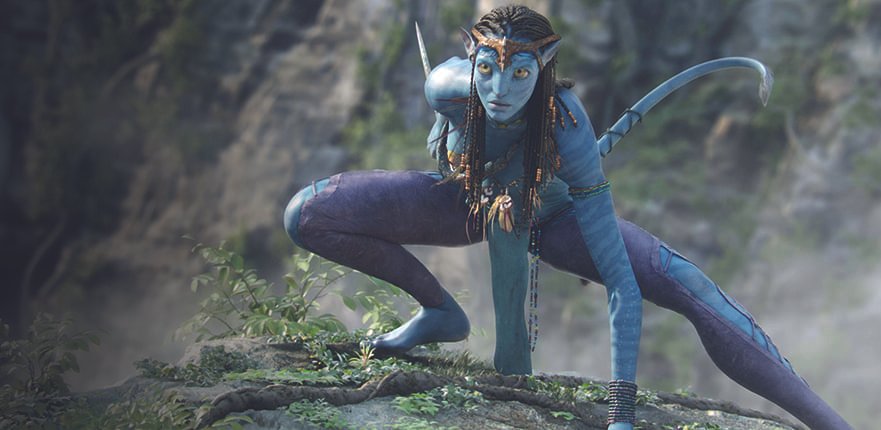
The entertainment landscape is undergoing a massive transformation. From hyper-realistic computer-generated environments in blockbuster cinema to dynamic real-time graphics in high-end streaming series, visual effects have shifted from being an optional technical enhancement to becoming the core narrative backbone of contemporary storytelling. If you possess a blend of creative curiosity and an inclination toward technology, choosing an undergraduate degree path in this specialized domain is a crucial decision that shapes your professional trajectory.
Visual effects production demands an intricate balance between artistic intuition and technical discipline. A bachelor’s program in film making and visual effects does not simply teach software mechanics; it instills foundational storytelling principles, cinematic composition, camera mechanics, lighting theory, and sequential visual dynamics. Aspiring digital artists frequently wonder whether an intensive degree course offers tangible value compared to independent tutorials or short-term certifications. The decisive factor lies in structured training, industry mentorship, and hands-on pipeline exposure that replicate real studio environments.
The Evolution of Contemporary Visual Effects and Cinema
Cinema history demonstrates a continuous progression toward greater visual immersion. The early eras relied predominantly on practical miniatures, optical printers, and physical set construction. Today, the global media and entertainment industry utilizes digital assets, simulation engines, complex compositing networks, and photogrammetry.
In response to global demand, regional creative hubs across India are establishing rigorous training standards. A dedicated animation academy in Udaipur bridges the gap between raw talent and production-ready professionalism by structuring education around current studio practices. This institutional framework ensures learners understand not just the how, but the why behind color pipelines, dynamic simulations, and character integration.
A degree curriculum offers an immersive study of storytelling frameworks. Students explore how pre-production workflows, including concept development, storyboarding, and animatics, dictate execution down the production line. Without a firm grasp of screenwriting logic, staging, and continuity, even technically polished computer graphics fall flat. A well-constructed degree cultivates an eye for realism, narrative pacing, and seamless visual cohesion.
Core Pillars of an Industry-Ready Visual Effects Curriculum
A degree program tailored to film making and digital effects approaches production through distinct phases:
Pre-production covers the conceptual foundations: screenwriting, character design, visual development, set design concepts, and shot-by-shot storyboarding.
Production introduces direct cinematic techniques: digital cinematography, lighting design, green screen setups, tracking marker placement, camera telemetry recording, and direct on-set supervision procedures.
Post-production focuses on digital transformation: rotoscoping, clean plating, matchmoving, 3D modeling, texturing, rigging, particle and fluid dynamics, multi-pass compositing, and final color grading.
Mastering these sequential phases prepares individuals to step into demanding roles such as matchmove artist, 3D tracking specialist, compositor, digital matte painter, or lighting lead.
Theoretical Rigor Versus Vocational Expertise
The creative industry assesses candidates primarily on their portfolio and showreel rather than academic scores alone. Production houses, gaming studios, and advertising agencies look for demonstrable problem-solving capabilities, technical adaptability, and creative consistency.
Enrolling in a vocational degree framework combines formal higher education credentials with intense practical execution. Pursuing a B.Voc VFX film making degree in Udaipur delivers this blended model, emphasizing studio-standard assignments, project-based assessment, and extensive lab hours over abstract memorization.
Vocational training models incorporate industry-standard software ecosystems, including Maya, Houdini, Nuke, Blender, and Unreal Engine. Familiarity with standard asset pipelines, version control frameworks, and collaborative review procedures mimics what happens daily within visual effects facilities worldwide.
Essential Skills for Aspiring Visual Artists
Deciding if this degree suits your ambitions involves evaluating your personal aptitudes and career goals. Consider these central requirements:
Observation and Detail: Visual effects artists must analyze real-world phenomena—how light bounces across matte surfaces, how fabric settles, and how smoke dissipates under environmental resistance.
Technical Adaptability: The digital arts industry evolves rapidly. Tools update, rendering techniques shift, and real-time virtual production continues to gain prominence. Long-term success requires perpetual learning and technical curiosity.
Patience and Discipline: Detailed visual integration requires meticulous frame-by-frame adjustments. Perfecting edge blending, motion blur alignment, and clean plate extractions requires high perseverance.
Collaborative Communication: Film making is an inherently collaborative medium. Artists must interpret feedback constructively, coordinate across departments, and adhere to strict delivery milestones.
Career Horizons and Global Industry Scope
The demand for qualified artists extends beyond conventional cinema. Architectural visualization firms, gaming development studios, virtual reality platforms, medical animation teams, and digital marketing agencies constantly seek skilled visual storytellers.
Graduates enter the workforce with versatile competencies suited for global production pipelines. A rigorous bachelor’s pathway provides the necessary mentorship, collaborative student network, and portfolio development required to transition successfully from an enthusiastic learner into an industry-ready visual effects professional.