
Essential Guide to Leh Ladakh Group Tour Package Camping

Delhi to Ranthambore Travel: Train, Road & Safari Guide
October 28, 2026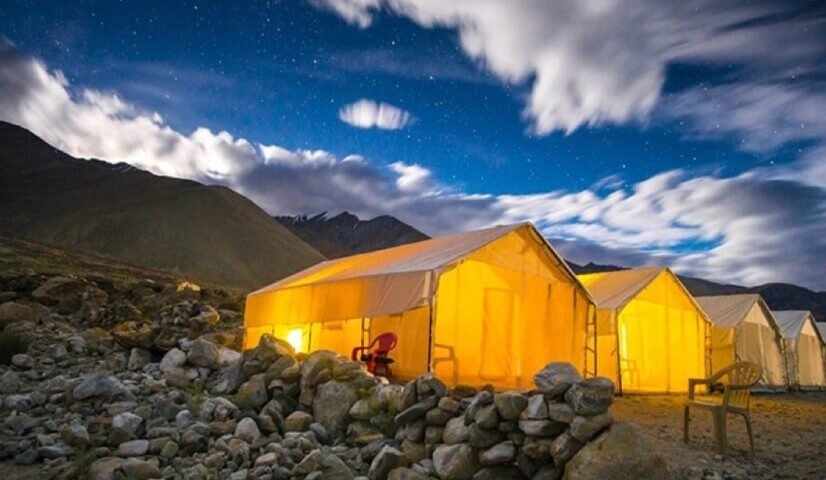
Leh Ladakh remains one of the most mesmerizing high-altitude destinations in the world, drawing explorers seeking rugged landscapes, tranquil monasteries, and starlit Himalayan skies. Planning an expedition across this terrain requires thorough preparation, especially when spending nights under canvas. Booking an organized leh ladakh group tour package with camping ensures travelers navigate the trans-Himalayan wilderness with logistical safety, reliable ground support, and camaraderie. Furthermore, teaming up with an established travel agency in Kashmir allows adventurers to transition smoothly from the lush valleys of Kashmir across the high mountain passes into the barren grandeur of the Ladakh plateau.
Understanding the Altitude and Acclimatization Protocol
The sheer elevation of the Ladakh region demands careful physiological adjustment. Leh rests at approximately 11,500 feet above sea level, while surrounding mountain passes and camping spots exceed 14,000 feet. Rapid ascent without adequate acclimatization can lead to acute mountain sickness, marked by headaches, dizziness, fatigue, and nausea.
When participating in an organized group journey, itinerary design plays a critical protective role. Reputable ground operators mandate at least forty-eight hours of resting in Leh upon arrival before embarking on intense journeys or wilderness camps. Staying hydrated, consuming light carbohydrates, and avoiding immediate strenuous hikes establish the physical foundation necessary for enjoying sub-zero nighttime temperatures outdoors.
Iconic Locations for Wilderness Camping
Camping in Ladakh is not merely about finding a place to sleep; it provides immersion in untouched geological formations. Distinct locations across the plateau offer varied landscapes:
- Nubra Valley: Known as the valley of flowers, this region features double-humped Bactrian camels grazing amidst the sand dunes of Hunder. Campsites nestled along the Shyok River basin offer sheltered conditions with relatively mild microclimates.
- Pangong Tso: Resting at 14,270 feet, this endorheic lake extends across international borders. Group camps situated near the shoreline deliver dramatic views of turquoise waters set against barren granite ranges. Nightfall here reveals unpolluted skies ideal for astrophotography.
- Tso Moriri: Located in the Changthang region, this wetland reserve provides a more secluded atmosphere than Pangong. The brackish high-altitude lake attracts migratory birds, offering rustic camping near traditional Changpa nomad settlements.
Logistics, Safety, and Gear Essentials
Wilderness stays at high elevations require specialized equipment to counter sudden temperature drops, high winds, and low humidity. Quality group expeditions supply weather-rated alpine tents designed to withstand gale-force winds, along with insulated sub-zero sleeping bags and thermal liners.
Packing personal essentials requires a multi-layered clothing strategy:
- Base Layers: Moisture-wicking synthetic or merino wool thermal tops and bottoms prevent sweat buildup during the day while retaining heat during frosty nights.
- Mid Layers: Heavyweight fleece jackets and insulated down vests trap body warmth efficiently during high-altitude transits.
- Outer Shell: Windproof and waterproof alpine jackets shield against dry mountain gusts and sporadic snowfall across passes like Khardung La and Chang La.
- Personal Care: UV-rated polarized sunglasses, broad-spectrum sunscreen, cold-cream moisturizers, and lip balms prevent intense solar exposure and windburn.
- Medical Supplies: A personal kit containing altitude sickness medication, hydration salts, blister bandages, and personal prescriptions should accompany group oxygen cylinders.
Environmental Stewardship and Local Sensitivity
Ladakh’s high-altitude desert features fragile ecosystems that take decades to recover from ecological disturbances. Group tours bear the collective responsibility of upholding strict zero-waste practices. High-altitude water sources must remain free of chemical soaps, plastics, and domestic refuse.
Ethical tour operators partner with local communities, employing local drivers, mountain guides, and camp staff. Supporting eco-friendly homestays, eating locally sourced Ladakhi and Kashmiri staples, and respecting photography guidelines inside centuries-old Buddhist gompas ensure cultural preservation and equitable local economic impact.
Navigating Permits and Seasonal Windows
Accessing restricted border territories including Pangong, Nubra, and Hanle requires Inner Line Permits issued by the district administration. Coordinated group travel streamlines this administrative hurdle, as tour managers secure required documentation and border checks in advance.
The optimum window for outdoor camping spans between late May and early October. During these months, the Srinagar-Leh and Manali-Leh highways open for vehicular movement, daylight temperatures remain comfortable, and standard tent sites maintain stable operations before winter sets in.
Traveling across Ladakh in a coordinated group format balances independent outdoor adventure with essential safety nets. By trusting experienced operators, adhering to acclimatization schedules, and respecting local habitats, travelers experience the raw grandeur of the Himalayas while forging unforgettable memories under star-studded skies.