
Top Cultural Dance Experiences in Jaisalmer

10 Reasons Why Udaipur Is the Ultimate Vacation Spot
November 17, 2026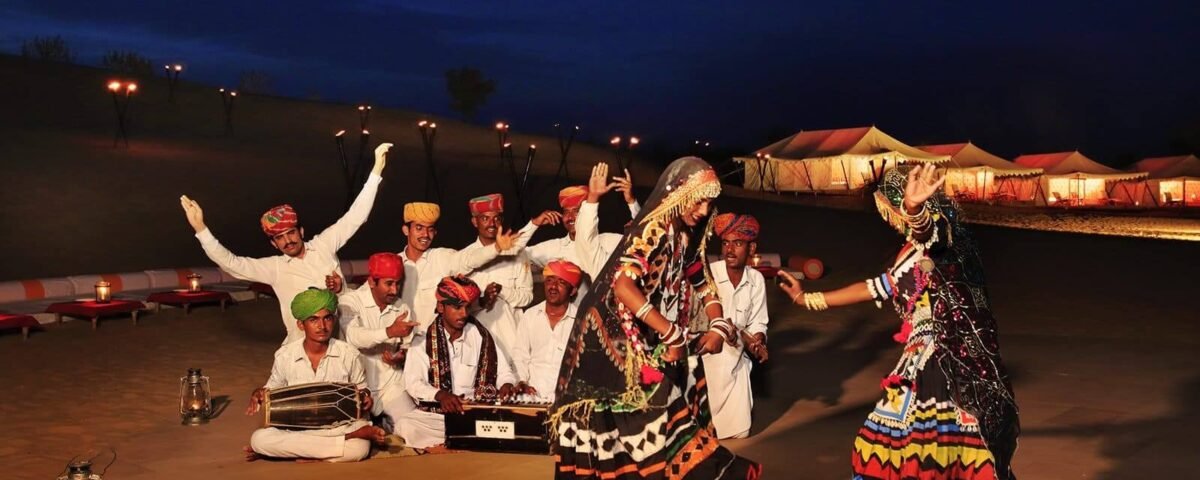
The golden sands of the Thar Desert come alive at sunset when local folk artists gather around crackling bonfires to perform centuries-old Rajasthani traditions. Experiencing a live cultural dance in Jaisalmer offers travelers a direct connection to the living heritage of Marwar, where music, storytelling, and movement preserve the history of desert communities. At Magra Desert Camp near Sam Sand Dunes, evenings are curated around authentic regional artistry performed by hereditary musicians and dancers from surrounding villages.
The Living Heritage of Thar Folk Performances
Rajasthani folk dances are far more than evening entertainment for visitors. Historically, these art forms served as oral chronicles of valor, devotion, seasonal harvests, and nomadic life across the arid landscape. Performances rely on live acoustic accompaniment from traditional instruments such as the dholak, khartal, kamaicha, ravanhatha, and morchang, played by Manganiyar and Langa musicians whose families have passed down these melodies for generations.
Signature Folk Dances to Witness in Jaisalmer
Visitors staying near the dunes can witness several distinct traditional dance styles during a single cultural evening, each carrying unique choreography, attire, and cultural meaning.
- Kalbelia Dance: Recognized by UNESCO as an Intangible Cultural Heritage, this mesmerizing performance is executed by women of the traditionally nomadic Kalbelia community. Dressed in black swirling skirts embellished with intricate mirror work and silver jewelry, dancers replicate the fluid, graceful movements of a serpent while spinning rapidly to the accelerating tempo of the pungi and dholak.
- Ghoomar: Originally performed by Rajput women during royal celebrations and weddings, Ghoomar is celebrated for its elegance and rhythmic footwork. Dancers move in wide, synchronized circles, creating billowing waves of color with their embroidered ghagras while maintaining poised hand gestures.
- Bhavai Dance: Known for extraordinary balance and physical discipline, Bhavai involves female performers balancing multiple brass or earthen pots on their heads while dancing effortlessly. Skilled artists often elevate the spectacle by stepping onto the edges of brass plates, glass tumblers, or upright swords without losing rhythm.
- Chari Dance: Originating from the Kishangarh region and popular across desert gatherings, Chari celebrates joy and the communal ritual of collecting water. Performers balance brass pots topped with lit cottonseed lamps on their heads, illuminating the desert night as they glide across the courtyard.
- Terah Taali: A devotional folk dance dedicated to Baba Ramdev, performed predominantly by women of the Kamada community. Dancers sit on the ground with thirteen small brass cymbals (manjiras) tied to their wrists, elbows, waist, and legs, striking them in complex polyrhythms using handheld cymbals while balancing props.
Why Desert Camps Offer the Most Authentic Setting
While city venues and annual festivals host scheduled shows, watching folk artists perform under the open desert sky provides an unmatched atmosphere. Choosing an established desert camp in Jaisalmer allows guests to transition seamlessly from an evening camel safari on the dunes into an intimate courtyard gathering. At Magra Desert Camp, local artists perform directly in front of guests seated around a warm fire, encouraging interactive participation and fostering genuine cultural appreciation rather than a distant stage show.
Combining Cultural Immersion with Comfortable Desert Stays
Modern desert hospitality bridges rugged Thar traditions with reliable comfort so travelers of all ages can enjoy late-evening festivities without fatigue. Booking a spacious Swiss tent in Jaisalmer provides private attached washrooms, warm bedding for chilly desert nights, and immediate proximity to the central performance arena. Families and international visitors can enjoy traditional Rajasthani hospitality, savor freshly prepared regional dishes like dal baati churma and ker sangri, and retire peacefully right after the final folk ballad concludes.
Practical Tips for Enjoying Cultural Nights in Jaisalmer
Planning ahead ensures you get the most out of your evening with local folk performers in the Thar Desert.
- Visit Between October and March: Cooler winter temperatures make outdoor bonfire seating comfortable, and cultural programming runs at full capacity throughout peak travel months.
- Arrive Before Sunset: Reaching the dunes by late afternoon gives you time to watch the shifting desert light before evening performances begin around dusk.
- Carry Warm Layers: Desert temperatures drop rapidly once the sun sets, even after warm afternoons, so bring a shawl or light jacket for outdoor seating.
- Respect the Artists: Folk performers and musicians rely heavily on seasonal tourism to sustain their ancestral crafts; engaging attentively and offering appreciative tips directly supports local artist families.
- Confirm Schedule Details in Advance: Performance lineups and timings can vary slightly based on weather and seasonal schedules, so verify evening inclusions when finalizing your camp stay.
Experiencing traditional music and dance in the heart of the Thar transforms a standard sightseeing trip into a lasting cultural memory. Through dedicated local partnerships and thoughtful hospitality, Magra Desert Camp helps preserve the vibrant artistic soul of Jaisalmer for every traveler who steps onto the sands.