

Chittorgarh Sightseeing: Best Palaces, Temples & Towers

5 Major Tips for Long-Lasting Summer Makeup
March 16, 2026
Must-See Jaipur Sightseeing: From Hawa Mahal to Amer
March 17, 2026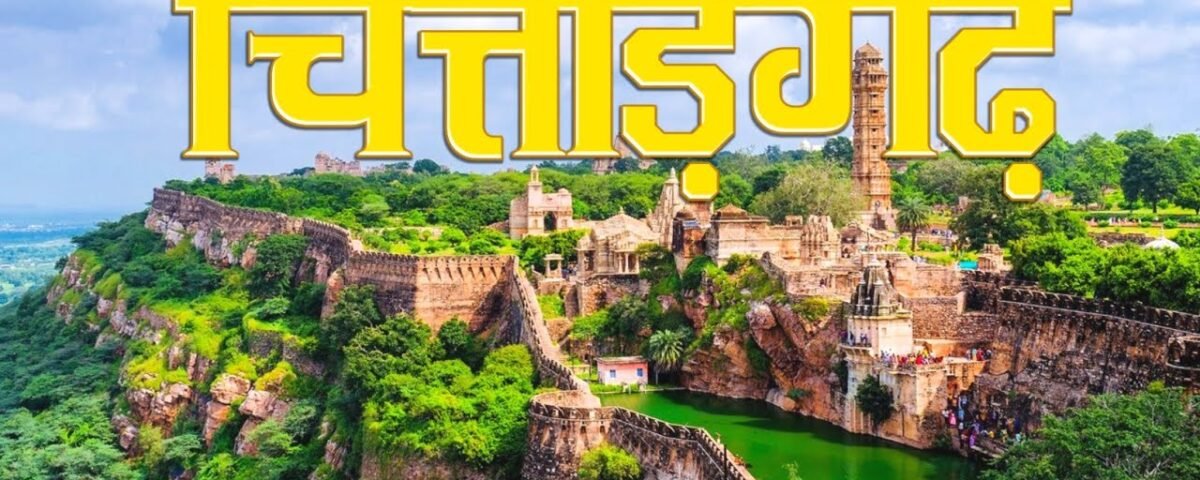
Chittorgarh stands as a monumental testament to Rajput bravery, sacrifice, and architectural brilliance. Perched atop a high hill, the Chittorgarh Fort is not just a relic of the past but a living chronicle of historical sagas that have shaped the cultural fabric of Rajasthan. For travelers venturing from the City of Lakes, securing a reliable Udaipur to Chittorgarh taxi service is the most practical way to transition from the romantic lakesides to the rugged, storied walls of this massive UNESCO World Heritage site. Exploring the expansive grounds of the fort requires time and a deep appreciation for the intricate carvings and sturdy stone structures that have survived numerous sieges over the centuries.
The Architectural Marvel of Vijay Stambha (Tower of Victory)
Perhaps the most iconic structure within the fort is the Vijay Stambha. Erected by Maharana Kumbha in 1448 to commemorate his victory over the combined armies of Malwa and Gujarat, this nine-story tower is a masterpiece of religious and cultural iconography. Standing at a height of over 37 meters, the tower is adorned with detailed sculptures of Hindu deities, celestial bodies, and scenes from daily life in the 15th century. Climbing the narrow steps to the top offers a panoramic view of the entire fort complex and the modern town of Chittorgarh below. The sheer precision of the stone carvings reflects the high level of expertise held by the craftsmen of that era.
Padmini’s Palace: A Reflection of Beauty and Tragedy
Located amidst water bodies, Padmini’s Palace is a white, three-storied structure that carries an aura of grace and melancholy. It is famously associated with the legend of Rani Padmini, whose beauty is said to have sparked the interest of Sultan Alauddin Khalji. The palace is designed with a unique architectural flair, featuring pavilions that seem to float on the water. Visiting this spot provides insight into the royal lifestyle of the Mewar rulers and the strategic design of summer palaces that utilized water for natural cooling. The surrounding lotus pools add a serene touch to the otherwise formidable stone environment of the fort.
The Spiritual Grandeur of Meera Temple
For those seeking a spiritual connection, the Meera Temple is an essential stop. Dedicated to the mystic poetess and devotee of Lord Krishna, Meera Bai, this temple showcases the classic Indo-Aryan architectural style. The temple features a beautifully carved sanctum and a small shrine dedicated to Meera’s guru, Rai Das. The atmosphere here remains peaceful, allowing visitors to appreciate the intricate pillars and the historical significance of a queen who chose devotion over royalty. Adjacent to it is the Kumbha Shyam Temple, another stunning example of religious architecture from the same period, known for its vaulted ceilings and detailed friezes.
Kirti Stambha: The Tower of Fame
While Vijay Stambha is better known, the Kirti Stambha is equally impressive and holds deep religious significance for the Jain community. Built in the 12th century by a Jain merchant, this 22-meter tower is dedicated to Adinath, the first Jain Tirthankara. It is intricately decorated with figures from the Jain pantheon, standing as a symbol of the Jain influence on the region’s culture and architecture. The tower is older than the Tower of Victory and showcases a different evolution of Rajasthani stone-crafting techniques, emphasizing the diversity of thought and faith within the fort’s walls.
Group Travel and Comfortable Commutes
Chittorgarh is a destination often visited by families, student groups, and history enthusiasts. Given the vast distance between the various monuments within the fort—which spans nearly 700 acres—walking between every site can be exhausting. Many large groups find that booking a specialized Udaipur tempo traveller allows them to stay together while moving efficiently between the palaces and temples. This ensures that the focus remains on the historical storytelling rather than the logistics of navigating the steep inclines of the fort. A dedicated vehicle also provides a necessary retreat from the Rajasthan sun during the peak afternoon hours.
Rana Kumbha Palace: The Oldest Edifice
The ruins of Rana Kumbha Palace are among the most massive structures in Chittorgarh. Although much of it is now in ruins, it remains a site of great historical importance. It is believed to be the birthplace of Maharana Udai Singh, the founder of Udaipur, and the place where Rani Padmini performed Jauhar. Walking through the arched gateways and the remains of the zanana (women’s quarters), one can almost feel the weight of history. The palace ruins include a series of underground cellars and stable areas, providing a glimpse into the sophisticated urban planning of the Mewar kingdom during its zenith.
The Resilience of Gaumukh Reservoir
Water management was crucial for a fort that faced long sieges, and the Gaumukh Reservoir is a prime example of ancient engineering. Named after its shape—a cow’s mouth—this deep tank is fed by a natural spring that flows through a stone carved in the shape of a cow’s head. It is considered a sacred spot, and the green waters against the backdrop of the rugged fort walls create a striking visual contrast. The reservoir served as the primary water source for the fort residents and symbolizes the resourcefulness required to maintain a massive population in a hilltop desert fortress.
Planning Your Visit to Chittorgarh
To truly appreciate the depth of Chittorgarh, it is best to start early in the morning. The fort is best explored with a guide who can narrate the legends of the various gates (Pols), such as the Padan Pol and Bhairon Pol, where fierce battles were fought. Wear comfortable footwear and carry plenty of water, as the stone structures can radiate heat. Whether you are interested in the military history of the towers or the artistic elegance of the temples, Chittorgarh offers a multi-dimensional look into India’s royal past.
Conclusion: A Legacy Carved in Stone
Chittorgarh is more than just a tourist destination; it is a symbol of the Rajasthani spirit. The palaces, temples, and towers each tell a story of a culture that valued honor and art in equal measure. By planning your journey with reliable transport and a thirst for history, you can ensure a seamless and enriching experience. Atithi Cabs remains committed to providing professional travel solutions that allow you to explore the majesty of Rajasthan with ease and comfort.