
Commerce After 12th: Degrees vs Professional Courses

GIFT City Liquor Exemption: Rules for Non-Gujarat Residents
February 26, 2026
How to Plan the Perfect Jaisalmer to Jodhpur Sightseeing
February 26, 2026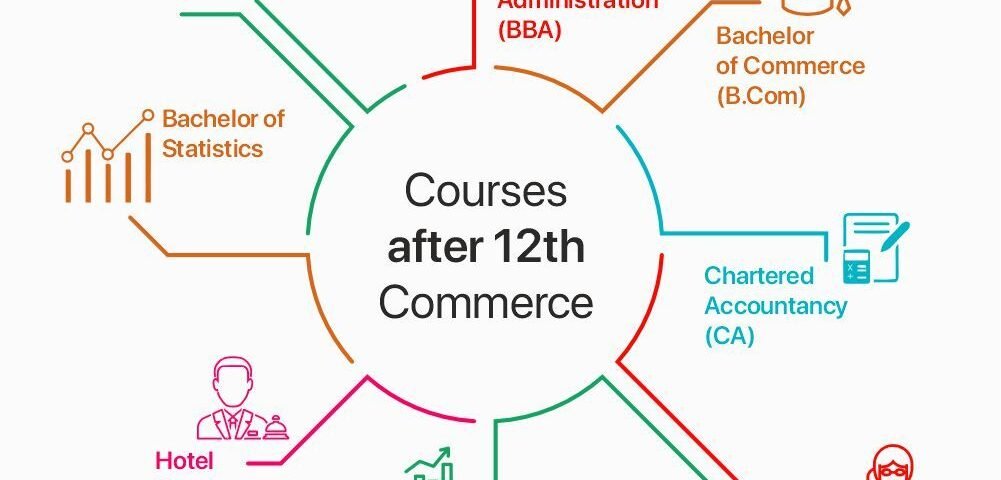
Choosing the right path after high school is a defining moment for every student, particularly in the diverse world of commerce. For those seeking Class XI–XII Commerce Coaching in Udaipur, the primary dilemma often boils down to a single question: Should I pursue a traditional degree or a professional course? This choice isn’t just about the next three years; it’s about the trajectory of your entire career.
At Batch of 30 (BOT), we believe in bridging the gap between academic theory and industry reality. Whether you are aiming for a stable corporate role or a high-stakes leadership position, understanding the nuances of these two paths is essential for long-term success.
The Traditional Degree: Foundation and Versatility
Undergraduate degrees like B.Com (Hons), BBA, and BMS provide a broad academic foundation. These programs are designed to give students a holistic view of how businesses operate, covering everything from macroeconomics to organizational behavior.
One of the most significant advantages of a degree program is the “college experience.” It offers a platform for networking, soft-skill development, and internships. For students looking toward the future of management, many top-tier institutions now offer specialized UG Management Programs for Commerce that integrate modern business practices with core academic learning.
Popular Degree Options:
- B.Com (Hons): Ideal for those who love numbers, taxation, and auditing.
- BBA (Bachelor of Business Administration): Perfect for aspiring leaders and entrepreneurs who want to understand the “big picture” of management.
- B.A. Economics: A research-heavy path for those interested in policy, data, and global market trends.
Professional Courses: Specialized Expertise
On the other side of the spectrum are professional courses like CA (Chartered Accountancy), CS (Company Secretary), and CMA (Cost and Management Accountant). These are not just “degrees” but certifications of expertise. They are rigorous, exam-centric, and highly valued by employers for their technical depth.
Professional courses often have a lower cost of entry compared to private B-schools but require immense discipline and a high “grit” factor. They offer a direct license to practice in specific fields like auditing or corporate law, providing a level of job security that general degrees might not immediately offer.
The Hybrid Approach: Why Not Both?
In today’s competitive job market, the “Degree vs. Professional Course” debate is becoming obsolete. The most successful students are those who combine the two. For instance, pursuing a B.Com while preparing for the CA exams allows a student to gain both a broad academic perspective and specialized technical skills.
Similarly, many students now opt for Integrated Programs in Management (IPM) offered by IIMs. These programs combine a three-year undergraduate degree with a two-year MBA, streamlining the journey to leadership roles. However, cracking these elite exams requires more than just hard work—it requires data-driven strategy. This is where tools like Smart AI Analytics for IPMAT Prep in Udaipur become invaluable, helping students identify their weak spots and optimize their study time with surgical precision.
Key Factors to Consider When Choosing:
- Aptitude: Do you prefer deep-diving into one subject (Professional) or exploring various facets of business (Degree)?
- Time Commitment: Professional courses like CA can take 5 years, while a BBA is typically 3 years.
- Career Goals: If you want to be a CFO, a professional certification is almost mandatory. If you want to lead a startup, a management degree might be more beneficial.
The Role of Mentorship in Making the Choice
The transition from school to professional life is complex. Relying solely on classroom learning isn’t enough anymore. At Batch of 30, we limit our intake to just 30 students to ensure that every individual receives the mentorship they need to navigate these choices.
Experience shows that students who use analytical tools to track their performance tend to make more informed career decisions. By seeing real-time data on their strengths—whether it’s quantitative aptitude or logical reasoning—they can choose a path that aligns with their natural talents.
Summary Comparison Table
| Feature | Undergraduate Degree (BBA/B.Com) | Professional Course (CA/CS/CMA) |
| Focus | Broad business & academic knowledge | Deep technical expertise & specialization |
| Duration | 3 Years | 4 to 5 Years (Average) |
| Global Reach | High (especially with BBA + MBA) | High (with certifications like ACCA/CFA) |
| Difficulty | Moderate | High |
| Best For | Leadership, Management, Policy | Auditing, Taxation, Corporate Law |
Conclusion: Your Path, Your Choice
Whether you choose a degree or a professional course, the key is to stay adaptable. The world of commerce is evolving rapidly with the integration of AI and data science. The most successful professionals of the future will be those who can blend the foundational knowledge of a degree with the specialized “know-how” of a professional qualification.
At Batch of 30, we provide the ecosystem to help you excel in both. From board exam mastery to entrance exam dominance, we ensure you don’t have to choose between your school performance and your future career.
Would you like me to help you create a personalized study roadmap for your Class 12 boards and entrance exam preparation?