
Comparing Ranthambore and Sariska: Which is Best for Tigers?

Chic Braided Hairstyle Ideas for Summer Weddings
March 20, 2026
Destination Wedding Goals: Is Udaipur Right for You?
March 21, 2026Comparing Ranthambore and Sariska: Which is Best for Tigers?
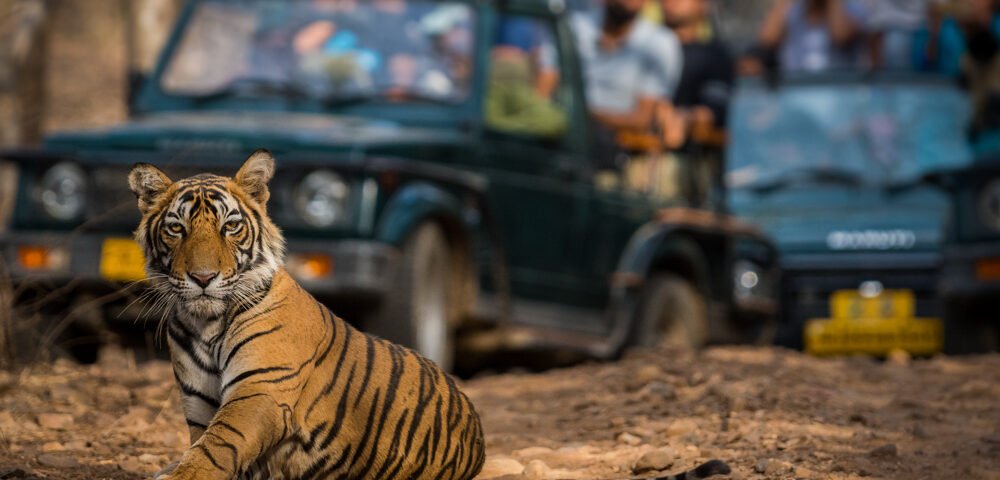
Showstopper A tiger cub at Ranthambore Tiger Reserve, India
Choosing between Rajasthan’s two premier tiger reserves can be a challenge for any wildlife enthusiast. Both parks offer a unique glimpse into the world of the Royal Bengal Tiger, yet they provide vastly different experiences in terms of landscape, accessibility, and sighting probability. If you are planning a getaway and looking for the perfect resort in Ranthambore, understanding how these two parks stack up against each other is the first step toward a successful safari. While both are part of the Project Tiger initiative, the terrain and tiger density at Ranthambore often give it a competitive edge for those seeking that iconic photograph of a predator against a historical backdrop.
The Landscape: Ancient Ruins vs. Rugged Valleys
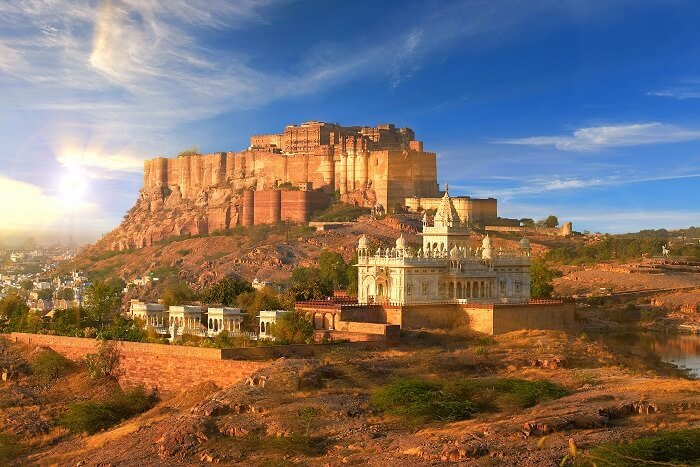
Ranthambore National Park is world-renowned for its dramatic scenery. Spanning over 1,300 square kilometers, it is defined by the massive 10th-century Ranthambore Fort that towers over the jungle. The park features a mix of rolling hills, craggy cliffs, and large lakes like Padam Talao and Raj Bagh. This variety of water bodies makes it an ideal habitat for tigers and offers spectacular sightings as they come down to drink.
Sariska Tiger Reserve, located in the Alwar district, offers a different aesthetic. It is nestled within the Aravalli Range and is characterized by sharp cliffs and narrow valleys. The vegetation here is primarily dry deciduous forest and thorny scrub. While Sariska is hauntingly beautiful, especially during the monsoon when the hills turn emerald green, its topography can sometimes make spotting elusive cats a bit more difficult compared to the open lakeside vistas of its cousin to the south.
Tiger Populations and Sighting Success
When it comes to the “Star of the Show,” Ranthambore has historically held the upper hand. It boasts a higher density of tigers and a lineage of world-famous individuals like the legendary Machli. The tigers here are famously indifferent to safari jeeps, often walking right past vehicles or lounging in the open during the daylight hours. This “boldness” is a major draw for professional photographers.
Sariska has had a more turbulent history, famously losing its entire tiger population in 2004 due to poaching. However, it has seen a remarkable recovery through a successful relocation program. Today, the tiger count is steadily rising. While sightings in Sariska require a bit more patience and perhaps a stroke of luck, the experience feels raw and less crowded, appealing to those who prefer a quieter, more solitary connection with the wilderness.
Logistics and the Best Time to Visit Ranthambore
Timing is everything when planning a wildlife expedition. Both parks follow similar seasonal patterns, closing their core zones during the peak monsoon months (July to September). To maximize your chances of a sighting, you must consider the Best Time to Visit Ranthambore, which generally falls between October and April. During the cooler months, the weather is pleasant for long drives, while the summer months of May and June—though scorching—are actually the best for sightings because tigers frequent the remaining water holes.
Sariska is conveniently located closer to Delhi and Jaipur, making it a popular weekend retreat for city dwellers. Ranthambore, while slightly further away, is well-connected by rail via Sawai Madhopur. Because Ranthambore is more popular, safari permits often sell out months in advance, whereas Sariska usually offers more flexibility for last-minute travelers.
Flora, Fauna, and Biodiversity
Beyond the striped cats, both reserves are biodiversity hotspots. In Ranthambore, you are likely to encounter leopards, caracals, sloth bears, striped hyenas, and a massive variety of deer including Sambar and Chital. The birdlife is equally impressive, with crested serpent eagles and painted storks being common sights near the lakes.
Sariska is equally rich in prey base, with large herds of Nilgai (blue bull) and wild boar. It is also a fantastic destination for birdwatchers, particularly known for its high density of peafowl. The presence of the Siliserh Lake nearby adds an extra dimension to the trip, offering opportunities for crocodile spotting and boat rides.
Planning a Romantic Wildlife Getaway
For couples looking to blend adventure with luxury, the choice often leans toward the hospitality infrastructure found around the Tiger City. Many travelers opt for a Ranthambore 2N 3D Couple Package to experience the thrill of the hunt by day and the comfort of a luxury camp by night. These packages typically include guided safaris, cozy bonfire dinners, and nature walks that allow for a more intimate exploration of the region’s heritage.
Sariska offers a more “heritage” feel, with several old palaces converted into hotels. It’s perfect for a quick, quiet escape where the focus is on the serenity of the Aravallis rather than the high-octane chase of a tiger sighting. If your goal is luxury and a higher probability of seeing a tiger, Ranthambore is the winner; if you want a quick, quiet mountain escape with a chance of wildlife, Sariska is the place.
The Verdict: Which Park Should You Choose?
Ultimately, the “best” park depends on your priorities. If you are a first-time visitor to India or a serious photographer whose primary goal is to see a tiger in the wild, Ranthambore is the undisputed champion. Its unique blend of history and high predator density creates a “National Geographic” style experience that is hard to replicate anywhere else in the world.
However, if you have already checked Ranthambore off your list or if you find large crowds of safari vehicles distracting, Sariska offers a peaceful alternative. It represents the resilience of Indian conservation and provides a more rugged, underdog charm. Whichever you choose, both parks serve as vital lungs for Rajasthan and offer an unforgettable look into the majestic world of the tiger.