

Essential Website Design Guide for Travel Agencies

Gadisar Lake Sightseeing: What to See on Your Tour
March 12, 2026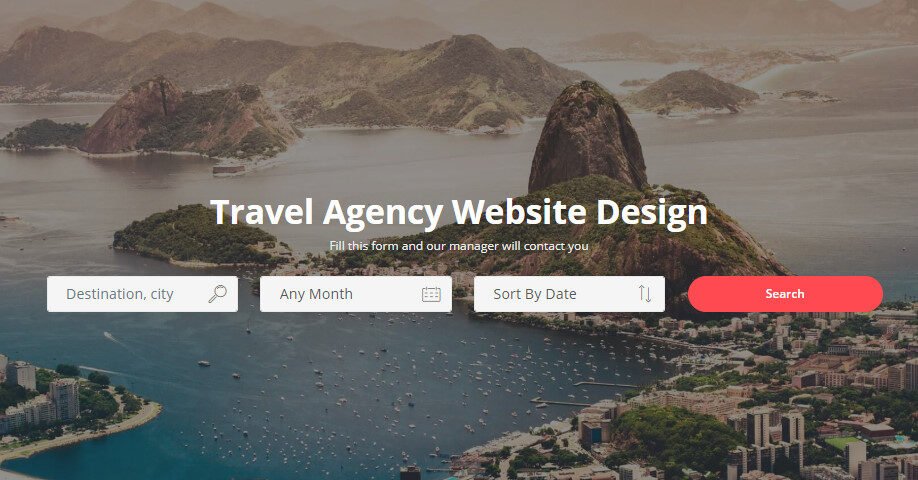
In the modern tourism landscape, a travel agency’s website serves as its digital storefront, often providing the first and most critical impression for potential globetrotters. For businesses looking to capture the essence of wanderlust while maintaining a professional edge, partnering with a leading Web design Company in Udaipur ensures that your platform is not just visually stunning but also technically sound. Building a successful travel website requires a delicate balance of high-quality imagery, seamless navigation, and a robust booking engine. Since travelers today are increasingly tech-savvy, your digital presence must reflect a deep understanding of user behavior and search engine requirements to stand out in a saturated market.
Establishing Trust through E-E-A-T Principles
Google’s E-E-A-T guidelines are particularly vital in the travel sector, where customers are often making significant financial commitments. To demonstrate experience and expertise, your website should feature detailed itineraries, traveler testimonials, and behind-the-scenes insights into the destinations you offer. Authoritativeness is built by showcasing certifications and industry partnerships, while trustworthiness is solidified through secure payment gateways and transparent pricing. When these elements are integrated effectively, it creates a sense of reliability that encourages visitors to move from the browsing stage to the booking stage.
The Role of Visual Storytelling in Travel
Travel is an inherently visual product. A successful website must leverage high-resolution photography and immersive video content to transport users to their desired destinations instantly. However, aesthetics should never come at the expense of performance. Large media files must be optimized to ensure rapid loading times, particularly for users browsing on mobile devices during their commute. Incorporating professional Travel Web Design Services in India can help you implement lazy loading and modern image formats like WebP, which maintain visual fidelity without slowing down your site’s response time.
Navigational Clarity and User Journey
A common pitfall for many travel websites is an overly complex navigation structure. Users should be able to find their dream destination or a specific tour package within three clicks. Implementing a “mega menu” for different regions and categorized filters for “Adventure,” “Luxury,” or “Budget” travel can significantly enhance the user experience. By simplifying the journey, you reduce bounce rates and increase the likelihood of conversion. The goal is to guide the user naturally from inspiration to information, and finally to the reservation.
Mobile-First Design for the Modern Traveler
With over 60% of travel searches now occurring on mobile devices, a responsive design is no longer optional. A mobile-first approach ensures that buttons are touch-friendly, forms are easy to fill out on small screens, and the checkout process is streamlined. If a traveler is searching for a last-minute city tour while walking through a busy street, your site needs to deliver the information they need instantly. Google also prioritizes mobile-friendly websites in its search rankings, making this a cornerstone of any modern digital strategy.
SEO Strategy for Travel Agencies
To ensure your agency is discoverable, you must look beyond just aesthetic design and focus on a comprehensive search engine strategy. This involves optimizing meta titles, using descriptive alt text for images, and creating localized content that speaks to your specific audience. Engaging a specialized digital marketing service in udaipur allows you to build a content roadmap that targets specific travel trends and high-intent search queries. Quality blog content that answers common travel questions can further establish your agency as a thought leader in the tourism space.
Integration of Real-Time Booking Systems
The heart of any functional travel website is its booking engine. This system should be intuitive, providing real-time availability and instant confirmation. Integration with third-party APIs for flights, hotels, and local transport can turn your website into a one-stop-shop for travelers. Furthermore, providing multiple payment options and a clear cancellation policy directly on the booking page enhances transparency and builds the “Trust” component of the E-E-A-T framework.
The Importance of Social Proof and Reviews
Word-of-mouth has moved online, and for travel agencies, reviews are the new currency. Integrating platforms like TripAdvisor or displaying verified customer reviews directly on your homepage can significantly boost conversion rates. User-generated content, such as a gallery of photos shared by your clients on Instagram, adds an authentic layer of “Experience” to your site. It proves that you have successfully delivered memorable trips to real people, which is more persuasive than any marketing copy could ever be.
Security and Performance Optimization
Cybersecurity is a paramount concern for users entering credit card details online. Implementing SSL certificates, adhering to PCI-DSS standards for payments, and ensuring your site is regularly updated against vulnerabilities are non-negotiable tasks. Additionally, a fast website is a successful website. Even a one-second delay in page load time can lead to a significant drop in conversions. Utilizing Content Delivery Networks (CDNs) and minifying code are technical steps that ensure your site remains snappy and reliable regardless of where the user is located geographically.
Crafting Compelling Destination Pages
Each destination page should act as a mini-landing page designed to convert. Instead of generic descriptions, use storytelling to highlight unique local experiences—the hidden cafe in Paris, the best sunrise spot in Jodhpur, or the quietest beach in Goa. Use bullet points to highlight “What’s Included” and “What to Expect” to make the content scannable. By providing deep, insightful information that others might miss, you satisfy the “Expertise” requirement of search engines while providing genuine value to your readers.
Future-Proofing Your Travel Website
Technology in the travel industry is evolving rapidly. From AI-driven chatbots that provide 24/7 customer support to Virtual Reality (VR) tours that allow users to explore a hotel room before booking, staying ahead of the curve is essential. Regularly auditing your website’s performance and staying updated with Google’s algorithm changes will ensure that your agency remains competitive. A well-designed website is a living entity that grows with your business and your customers’ expectations.