
Exploring Jodhpur’s Most Iconic Landmarks and Palaces

Beyond Countertops: Creative Ways to Use Bathroom Granite
March 24, 2026
Top Rated Attractions in Chittorgarh You Cannot Miss
March 24, 2026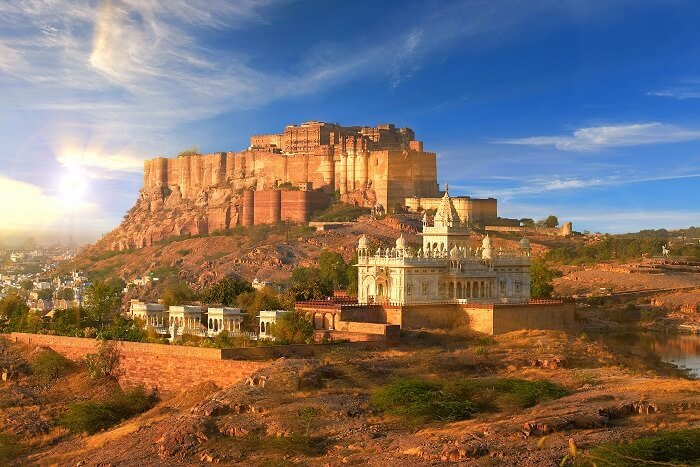
Exploring the royal heritage of the “Blue City” is an experience that stays with you long after the desert dust has settled. Known for its sapphire-hued houses and formidable sandstone structures, this Rajasthani gem offers a journey back to the era of the Rathore clans. To truly soak in the history of the Marwar region, choosing a reliable Taxi service in jodhpur is the most practical way to navigate the winding lanes and steep hill approaches of the city’s famous monuments.
The Magnitude of Mehrangarh Fort
Dominating the skyline from a 125-meter-high cliff, Mehrangarh Fort is perhaps the most impressive vertical feat of Rajasthani architecture. Built by Rao Jodha in 1459, its walls are so massive and well-integrated into the rocky terrain that it is often difficult to distinguish where the hill ends and the fortress begins. Entering through the “Jai Pol” or Victory Gate, visitors can still see the indentations of cannonballs from historical sieges.
Inside the fort, the palaces like Moti Mahal (Pearl Palace) and Phool Mahal (Flower Palace) showcase the artistic zenith of the Rathores. The Moti Mahal features hidden balconies where the royal queens could listen to court proceedings unseen, while the Phool Mahal’s ceiling is decorated with gold leaf brought from Gujarat. The museum here is world-class, housing an extensive collection of royal palanquins, armor, and even the “Howdahs” (elephant seats) used by the Maharajas.
Jaswant Thada: The Taj Mahal of Marwar
Located a short drive from the fort, Jaswant Thada is a serene contrast to the ruggedness of Mehrangarh. This milky-white marble cenotaph was built in 1899 by Maharaja Sardar Singh in memory of his father. The marble sheets used in its construction are polished so thin that they emit a warm, ethereal glow when the sun hits them.
The complex is surrounded by tiered gardens and a small, peaceful lake. It serves as the traditional cremation ground for the Jodhpur rulers. For those looking to capture the best photographs of the fort from a distance, a jodhpur sightseeing taxi provides the perfect vantage point at this location, especially during the golden hour when the white marble reflects the setting sun.
Umaid Bhawan Palace: A Modern Marvel
While most of Jodhpur’s landmarks are centuries old, the Umaid Bhawan Palace is unique as one of the last great palaces built in India, completed only in 1943. Designed by British architect Henry Lanchester, it blends Western Art Deco with traditional Indo-Saracenic styles. Interestingly, the palace was commissioned as a public works project to provide employment to thousands of locals during a period of severe famine.
The palace is divided into three parts: a luxury heritage hotel managed by Taj, the private residence of the current royal family, and a public museum. The museum is a treasure trove for history buffs, displaying a rare collection of antique clocks, royal regalia, and a spectacular line-up of vintage cars owned by the Maharajas.
Mandore Gardens and the Ancient Capital
Before Jodhpur was founded, Mandore served as the capital of the Marwar kingdom. Today, the Mandore Gardens are home to the “Dewals” (cenotaphs) of former rulers, which, unlike the usual umbrella-shaped chhatris, are built like intricate Hindu temples. The “Hall of Heroes” features sixteen monolithic figures carved directly out of a single rock wall, depicting various folk deities and local legends.
Because Mandore is located about 9 kilometers from the main city center, it is highly recommended for larger groups or families to hire a tempo traveller in jodhpur to ensure everyone travels together comfortably. This area is also famous for its playful (and occasionally bold) langur monkeys that inhabit the temple ruins.
Practical Travel Tips for Jodhpur
The best time to visit these iconic landmarks is between October and March when the desert weather is pleasantly cool. During the summer months, temperatures can soar above 40°C, making midday sightseeing quite challenging.
- Footwear: Wear comfortable walking shoes, as exploring the fort and the old city involves significant walking over uneven cobblestones.
- Guides: While audio guides are available at Mehrangarh, hiring a certified local guide can provide deeper insights into the folklore and architectural nuances that aren’t found in brochures.
- Hydration: Always carry water, especially when climbing the steep ramps leading to the fort’s main courtyards.
Navigating Jodhpur is an exercise in time travel. From the medieval ramparts of Mehrangarh to the Art Deco elegance of Umaid Bhawan, every stone tells a story of resilience and royal grandeur. By arranging your transport in advance, you can focus entirely on the stories these monuments have to tell.