
Exploring Ranthambore Fort: A Jewel of Sawai Madhopur

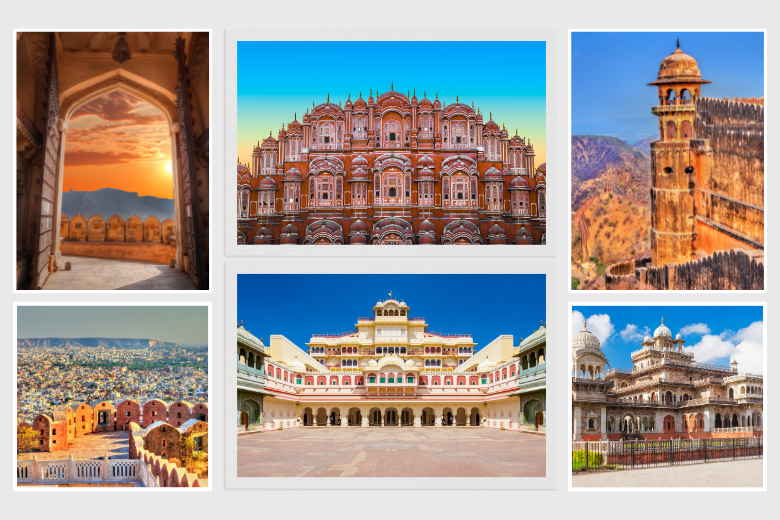
Must-See Jaipur Sightseeing: From Hawa Mahal to Amer
March 17, 2026Exploring Ranthambore Fort: A Jewel of Sawai Madhopur

Showstopper A tiger cub at Ranthambore Tiger Reserve, India
Standing atop a high hill, the Ranthambore Fort is a formidable manifestation of Rajasthan’s royal past, offering a panoramic view of the rugged wilderness that surrounds it. For travelers seeking a blend of history and nature, staying at a premier resort in Ranthambore provides the perfect base to explore this UNESCO World Heritage Site. The fort is not merely a collection of ruins; it is a living chronicle of the Chauhan dynasty, echoes of ancient battles, and a sanctuary where the wild meets the architectural brilliance of the 10th century.
The Architectural Grandeur of a Hill Fort
The design of Ranthambore Fort is a masterclass in defensive strategy. Its massive stone walls, spanning nearly 7 kilometers, wrap around the hilltops like a stone crown. Unlike many other forts in India that sit prominently on a peak, Ranthambore is hidden by the surrounding hills until you are nearly at its gates. This strategic concealment allowed the fort to remain unconquered for long periods. Inside, the structures reflect a unique blend of Hindu and Mughal architectural styles, featuring sprawling courtyards, intricate stone carvings, and massive step-wells that once sustained thousands of soldiers and residents.
Historical Significance and the Spirit of Valor
The fort has witnessed the rise and fall of several dynasties, most notably under the reign of Rao Hammir Dev Chauhan. Known for his unwavering courage, Hammir Dev’s legacy is etched into the very stones of the fort. It survived numerous sieges by the Delhi Sultanate and later the Mughals, eventually becoming a prestigious hunting ground for the Maharajas of Jaipur. Walking through the Hathi Pol (Elephant Gate) or the Ganesh Pol, one can almost feel the weight of centuries of history. The fort represents the “Jauhar” (self-immolation) of the royal women and the fierce determination of the Rajput warriors who chose death over surrender.
Spiritual Sanctuaries within the Stone
One of the most compelling reasons to visit the fort is the Trinetra Ganesha Temple. It is one of the oldest and most famous temples in Rajasthan, housing a unique three-eyed idol of Lord Ganesha. Devotees from across the country send wedding invitations and letters to the deity here, believing in his divine blessings for new beginnings. Apart from the Ganesha temple, the fort houses Shiva and Ramlalji temples, alongside a Jain temple dedicated to Lord Sumatinath and Lord Sambhavnath. This coexistence of various religious structures within the same ramparts highlights the cultural plurality that has existed in the region for centuries.
Wildlife and Natural Heritage
What sets Ranthambore Fort apart from any other historical monument in India is its location within a national park. As you climb the steep paths, it is not uncommon to spot langurs playing on the battlements or a serpent eagle soaring above the bastions. The fort overlooks the Padam Talao and Raj Bagh lakes, where tigers are frequently spotted quenching their thirst. The synergy between the ancient stone structures and the encroaching forest creates a hauntingly beautiful atmosphere that photographers and nature enthusiasts find irresistible.
Planning Your Visit: Practical Insights
To truly experience the soul of the region, visitors should look beyond the fort walls. There are numerous Things to Do in Sawai Madhopur that complement a historical tour, including visiting the Rajiv Gandhi Regional Museum of Natural History or exploring the local craft traditions like “Dastkar.” The best time to visit the fort is between October and March when the weather is pleasant enough to handle the uphill trek. It is advisable to hire a local guide who can narrate the folklore and hidden details of the fort’s architecture that are often missed by the untrained eye.
The Ultimate Adventure: Into the Wild
No trip to this historical landmark is complete without venturing into the surrounding deciduous forests. Engaging in a Ranthambore Jungle Safari allows you to see the fort from a different perspective—towering over the jungle canopy. From the safari tracks of Zone 1 through 5, the fort serves as a constant, majestic backdrop. Seeing a Bengal tiger prowling through the “Chattris” (cenotaphs) near the lake area near the fort’s base is a sight that defines the Ranthambore experience. It is a rare place where the boundaries between human history and the natural kingdom are beautifully blurred.
Sustainable Tourism and Conservation
As a traveler, visiting Ranthambore Fort comes with the responsibility of preserving its sanctity. The fort is located in an eco-sensitive zone, and maintaining its cleanliness is vital for the local wildlife. Authorities and luxury resorts in the area have been working together to promote sustainable tourism practices. By respecting the silence of the forest and adhering to the guidelines set by the forest department, visitors ensure that this “Jewel of Sawai Madhopur” remains intact for future generations to marvel at.
Conclusion
Ranthambore Fort is more than just a destination; it is an emotion that captures the essence of Rajasthan’s grit and beauty. From its high-perched temples to the silent shadows of its ruined palaces, every corner tells a story of a time when kings and tigers shared the same domain. Whether you are a history buff, a spiritual seeker, or a wildlife photographer, the fort offers a profound sense of connection to the past. After a day of climbing the steep inclines and absorbing the vast history, returning to a comfortable retreat allows you to reflect on the timeless majesty of this desert citadel.