

How to Plan the Perfect Jaisalmer to Jodhpur Sightseeing

Commerce After 12th: Degrees vs Professional Courses
February 26, 2026
Jodhpur to Osian Mata Tour with Route and Timing Details
February 26, 2026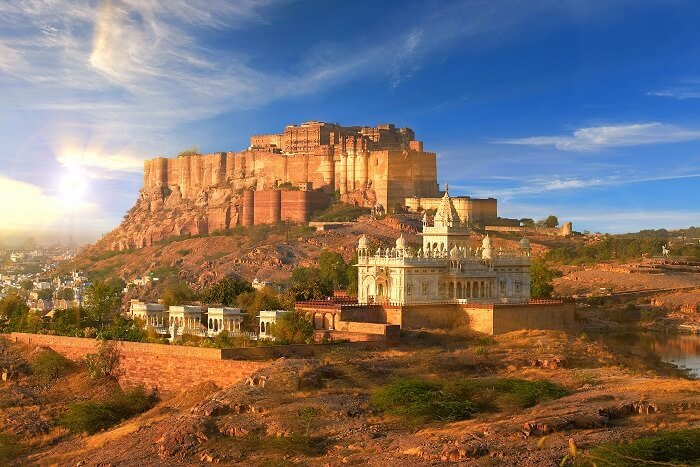
Planning a trip across the heart of the Thar Desert requires more than just a map; it requires an understanding of the rugged terrain, the vibrant culture, and the logistical nuances of Rajasthan. To experience the transition from the “Golden City” to the “Blue City” seamlessly, many travelers find that partnering with a seasoned Jaisalmer tour operator is the most effective way to ensure every historical detail and desert vista is captured. This journey, covering approximately 285 kilometers, is a quintessential Rajasthani experience that blends the nomadic spirit of Jaisalmer with the regal majesty of Jodhpur.
Choosing Your Mode of Transport for the Desert Highway
The route between Jaisalmer and Jodhpur is a well-paved stretch of NH125, but the desert heat and long distances make comfort a priority. While trains and buses are available, they often miss the hidden gems located between these two iconic cities. Opting for a private cab service in jaisalmer provides the flexibility to stop at roadside artisan villages or capture the sunset over the dunes at your own pace. A private vehicle also ensures that you have a local expert behind the wheel who understands the specific driving conditions of the Marwar region.
Designing the Perfect Itinerary
A successful transition from Jaisalmer to Jodhpur isn’t just about the destination; it’s about the stops along the way. Most travelers depart Jaisalmer in the early morning to make the most of the daylight. Before leaving the Golden City, ensuring you have completed a comprehensive Jaisalmer Sightseeing Tour is vital. This ensures you’ve seen the living fort, the intricate Patwon Ki Haveli, and the serene Gadisar Lake before heading east toward the kingdom of the Rathores.
Essential En-Route Stops
- Pokhran: Known as the “Place of Five Mirages,” this town houses the 14th-century Pokhran Fort. It is a fantastic spot for a mid-way lunch and a quick lesson in regional history.
- Ramdevra Temple: A significant pilgrimage site dedicated to Baba Ramdevji, this temple offers a deep look into the local spiritual traditions that transcend caste and creed.
- Dechu: This is a popular spot for refreshments. The landscape here begins to shift from the stark dunes of the Thar to a more shrub-filled arid environment.
Arrival in Jodhpur: The Blue City Awaits
Upon reaching Jodhpur, the landscape is dominated by the Mehrangarh Fort, a massive structure that seems to grow out of the cliffside itself. Planning your Jodhpur leg involves balancing the grand scale of the fort with the intimate, bustling energy of the old city markets.
Mehrangarh Fort and Jaswant Thada
The fort is an architectural marvel, housing palaces like Moti Mahal and Phool Mahal. Just a short walk away is Jaswant Thada, a cenotaph built of thin, polished sheets of marble that glow when the sun hits them. These sites require at least half a day to appreciate fully, so plan your arrival time accordingly.
Best Time to Visit and Travel Tips
The ideal window for this desert journey is between October and March. During these months, the weather is pleasant enough for outdoor exploration without the grueling heat of the summer months. Even in winter, the desert sun can be sharp, so carrying sunscreen, hats, and plenty of water is a non-negotiable for a comfortable trip.
Cultural Etiquette and Local Flavors
When traveling through rural Rajasthan, it is respectful to dress modestly, especially when entering temples or village homes. Don’t miss out on the local culinary highlights. In Jaisalmer, try the Ker Sangri, a traditional desert vegetable dish. In Jodhpur, the Mirchi Bada and Mawa Kachori are legendary street foods that offer a true taste of the city’s heritage.
Why Expertise Matters in Desert Travel
Navigating the Thar Desert involves more than just following a GPS. It involves knowing which roads are currently under repair, which local eateries serve the freshest food, and where to find the most authentic handicrafts without the tourist markup. High-quality travel planning focuses on these “invisible” details that transform a standard commute into a memorable cultural expedition. By prioritizing reliability and local knowledge, you ensure that your journey through Rajasthan is safe, enriching, and deeply immersive.
Planning the perfect Jaisalmer to Jodhpur sightseeing trip is about embracing the slow pace of the desert. It is about watching the sand change colors as you move from the yellow sandstone of the west to the blue-painted walls of the east. With the right transport and a well-thought-out schedule, this road trip becomes the highlight of any Indian odyssey.