
Jaipur 3-Day Tour Plan: Insider Tips for First-Time Visitors

Short on Time? Best Half-Day Tours in the Golden City
March 13, 2026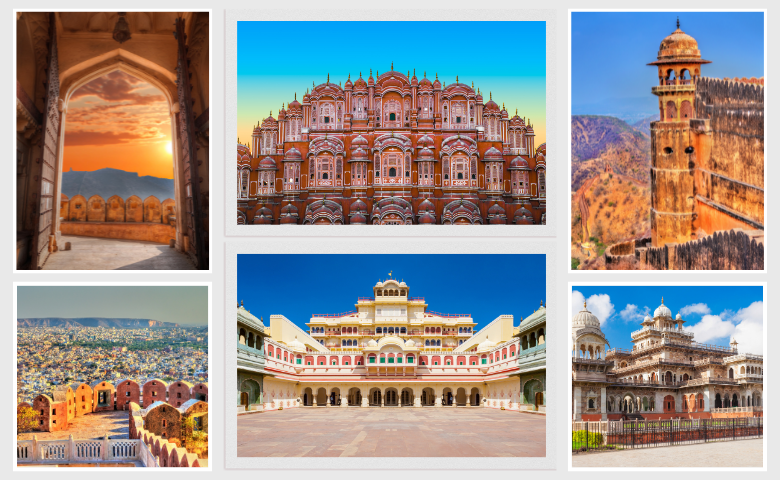
Embarking on a journey through the Pink City requires more than just a guidebook; it requires an itinerary that balances the grandeur of Rajputana history with the vibrant pulse of modern Rajasthani life. As a premier tour operator in rajasthan, we understand that first-time visitors often feel overwhelmed by the sheer density of monuments, markets, and sensory experiences. This guide is designed to help you navigate the capital city with the ease of a local while ensuring you don’t miss the iconic landmarks that define the Golden Triangle’s most colorful corner.
Day 1: The Royal Core and Architectural Marvels
The first day of your Jaipur adventure should be dedicated to the heart of the Old City. Start your morning early at the Hawa Mahal, or the Palace of Winds. The best time to photograph this honeycomb-like structure is at sunrise when the light hits the pink sandstone, illuminating the 953 small windows. Just a short walk away lies the City Palace, a sprawling complex that continues to serve as the residence of the royal family. Here, the fusion of Mughal and Rajput architecture is on full display. Spend time in the Pritam Niwas Chowk, where four beautifully decorated gates represent the four seasons. Adjacent to the palace is the Jantar Mantar, a UNESCO World Heritage site featuring the world’s largest stone sundial. To truly appreciate the scientific genius of the 18th century, consider hiring a certified guide who can explain how these massive instruments accurately measure time and track celestial bodies. After a morning of history, spend your afternoon wandering through Sireh Deori Bazaar. This is the perfect spot to observe local artisans at work, though we recommend saving your heavy souvenir shopping for the later half of your trip once you have a better feel for local pricing.
Day 2: Fortresses and Panoramic Vistas
On the second day, head out of the city center toward the rugged Aravalli Hills. The star attraction here is the Amber Fort (Amer Fort). To avoid the heavy crowds and heat, arrive by 8:00 AM. While many choose the elephant ride, walking up the ramp or taking a jeep allows you to appreciate the intricate carvings of the Ganesh Pol and the shimmering mirrors of the Sheesh Mahal at your own pace. For a more comprehensive experience that covers the outskirts and the city highlights, many travelers opt for a Jaipur Full Day Tour which seamlessly connects the Amber Fort with its neighboring fortifications. Just above Amber sits the Jaigarh Fort, home to the Jaivana cannon—once the world’s largest cannon on wheels. Unlike the ornamental beauty of Amber, Jaigarh is a formidable military structure offering the best panoramic views of the Maota Lake. On your way back to the city, stop at the Jal Mahal, the Water Palace. While the interior is not open to the public, the sight of the palace floating in the middle of Man Sagar Lake is a serene contrast to the bustling city streets. Finish your day at Nahargarh Fort during sunset. The “Abode of Tigers” offers a stunning vantage point to watch the city lights flicker on as the sky turns shades of orange and purple.
Day 3: Spiritual Heritage and Cultural Immersion
Your final day should be a deeper dive into the soul of the region. Jaipur is a vital stop on any Rajasthan Heritage Tour because of its living traditions. Begin with a visit to the Galta Ji Temple, often called the Monkey Temple. Tucked between mountain passes, this ancient Hindu pilgrimage site features natural springs and sacred kunds (tanks) where devotees bathe. In the afternoon, shift your focus to the arts at the Albert Hall Museum. As the oldest museum in the state, it houses an impressive collection of crystal work, metal sculptures, and even an Egyptian mummy, all set within a stunning Indo-Saracenic building. No trip to Jaipur is complete without experiencing its culinary heritage. For lunch, seek out a traditional “Thali” featuring Dal Baati Churma, the quintessential Rajasthani dish. Spend your final evening at Chokhi Dhani, a reconstructed ethnic village that offers a concentrated dose of Rajasthani culture. From folk dances and puppet shows to camel rides and traditional pottery, it provides a festive atmosphere that encapsulates the spirit of the desert state.
Essential Tips for a Seamless Experience
Navigating Jaipur effectively involves a mix of preparation and flexibility. While the city is well-connected, the traffic in the Old City can be intense. We recommend using auto-rickshaws for short distances to navigate narrow lanes, but ensure you agree on a fare before starting the journey. Regarding the best time to visit, the months between October and March offer pleasant weather ideal for sightseeing. If you visit during the summer, plan your outdoor activities for the early morning and late evening to avoid the midday sun. Furthermore, Jaipur is a shopper’s paradise, famous for its blue pottery, block-printed textiles, and precious gemstones. When shopping in Johari Bazaar or Bapu Bazaar, polite bargaining is expected. Always look for the “Craftmark” or authentic labels when buying high-end textiles to ensure you are supporting genuine local artisans. By following this structured 3-day plan, you ensure a journey that covers the historical, spiritual, and cultural facets of Jaipur, leaving you with a profound appreciation for the “Pink City’s” enduring legacy.