
The Best Durable Flooring Options for Executive Cabins

Immerse Yourself in Rajasthan’s Regal Past and Cultural Glory
February 20, 2026
A Perfect 2-Day Jodhpur Plan: See the Blue City in Style
February 23, 2026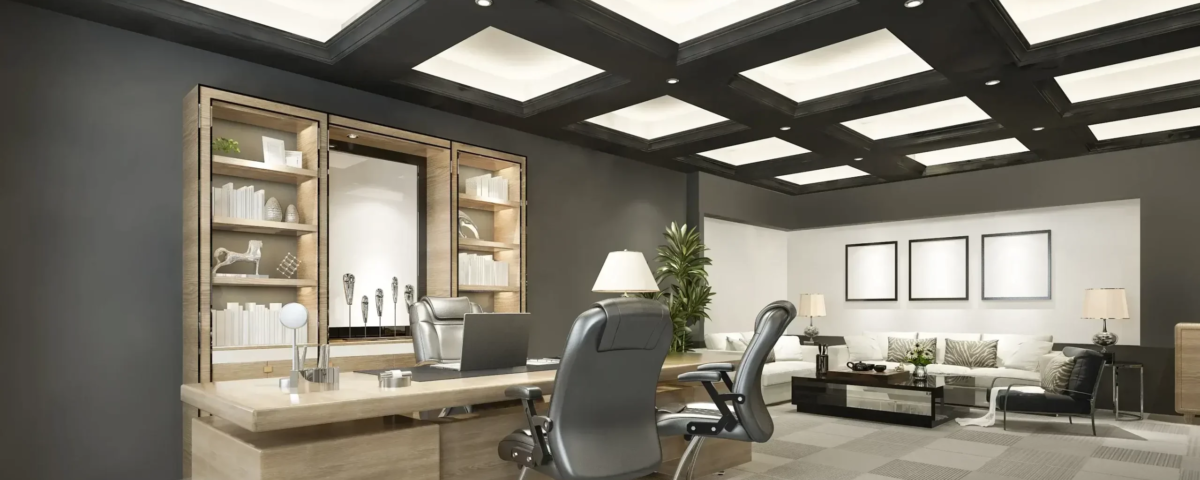
When designing an executive cabin, the flooring serves as the literal and metaphorical foundation of the room’s character. It is a space where high-stakes decisions are made, sensitive negotiations take place, and influential guests are received. Therefore, the material underfoot must do more than just look expensive; it must demonstrate resilience, sound insulation, and a timeless aesthetic that reflects the leadership within. For global firms looking to source premium materials, partnering with a reputable granite supplier in India ensures access to stones that offer both the durability required for high-traffic office environments and the prestige expected of a C-suite interior. Selecting the right flooring involves balancing the tactile comfort of the user with the long-term maintenance needs of a busy corporate facility.
Natural Stone: The Ultimate Statement of Authority
Natural stone remains the gold standard for executive flooring due to its unique patterns and “forever” lifespan. Unlike synthetic materials that may peel or fade over time, stone develops a character that enhances the room’s professional atmosphere. Many designers prefer working with established marble exporters in India because the variety of slabs available allows for a truly bespoke look. Marble, in particular, offers a cool, calm temperament to a room, which can be essential during high-pressure workdays. When polished, it reflects light beautifully, making even smaller cabins feel expansive and airy. However, for those who require even greater scratch resistance and a more contemporary palette, granite is the superior choice.
Granite: Merging Performance with Sophistication
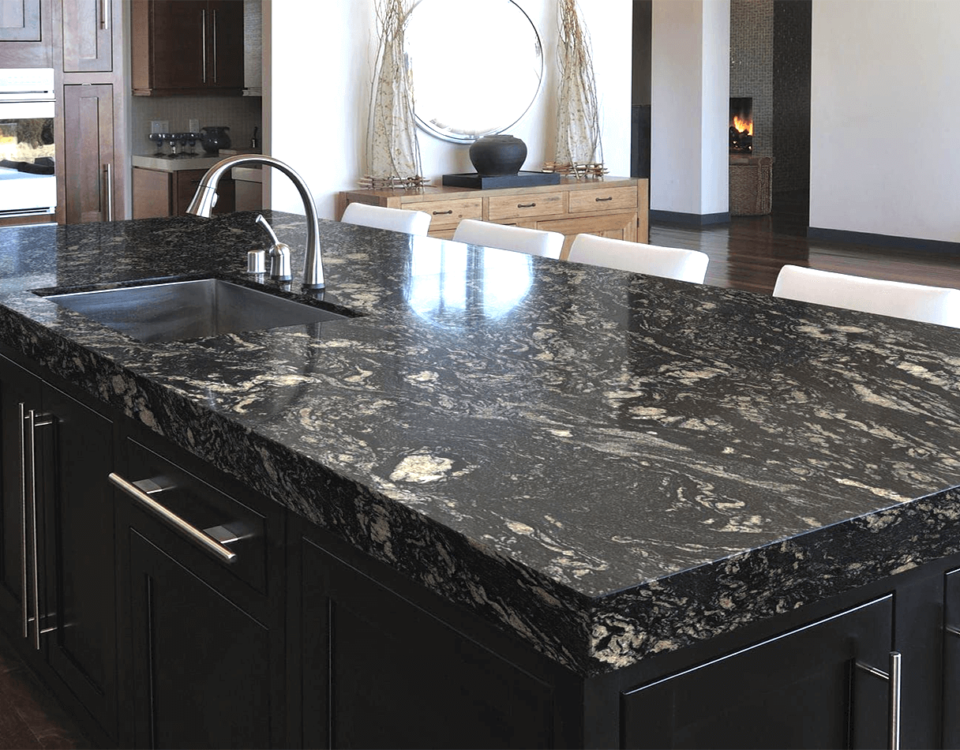
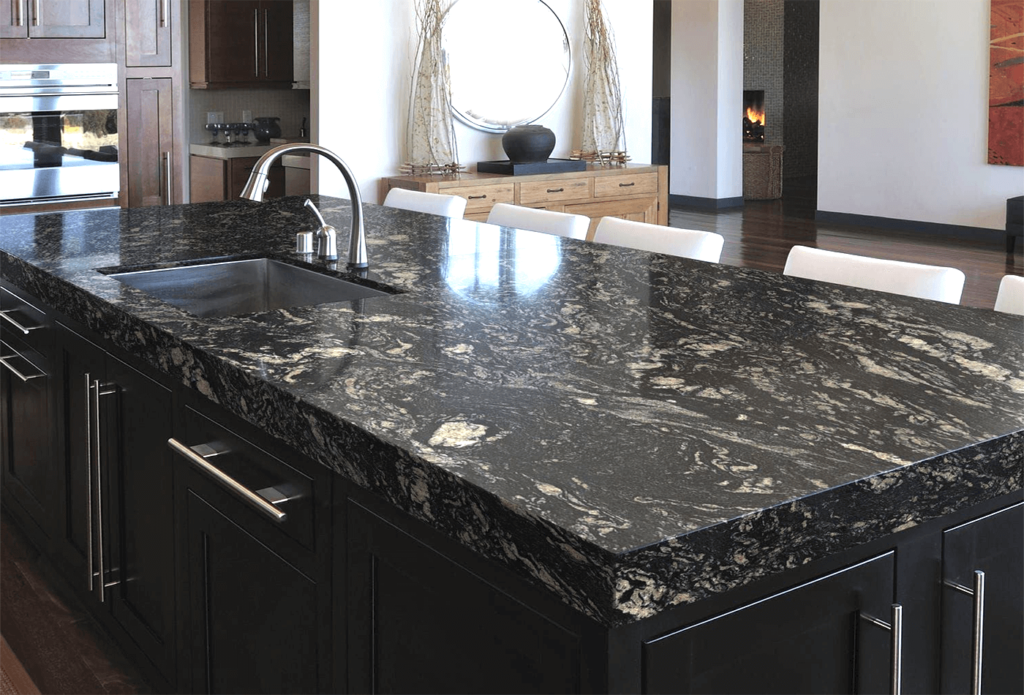
While marble provides elegance, granite offers an unmatched level of hardness that resists the constant movement of heavy executive chairs and high-heeled shoes. One specific variety that has gained significant traction in modern corporate design is White Mist Granite. This stone is prized for its subtle, swirling patterns of white, grey, and black, which provide a neutral yet sophisticated backdrop that complements both mahogany desks and modern glass furniture. Granite’s low porosity means it won’t easily stain from a spilled coffee or ink, making it a practical investment for a space that must remain pristine at all times.
Engineered Hardwood for Warmth and Acoustics
If the goal for the executive cabin is to create a “study” feel—warm, inviting, and quiet—hardwood is often the go-to material. Engineered hardwood is particularly effective in high-rise office buildings where temperature and humidity fluctuations can cause solid wood to warp.
- Acoustic Benefits: Wood absorbs sound better than stone, reducing the echo during video conferences.
- Visual Warmth: Darker stains like walnut or espresso lend a sense of tradition and stability.
- Sustainability: Choosing FSC-certified wood highlights a company’s commitment to environmental responsibility. While wood is softer than stone, modern finishes provide a protective layer that handles daily wear quite effectively, though it may require periodic refinishing to maintain its luster.
Luxury Vinyl Tile (LVT) for Modern Flexibility
For dynamic executive spaces that might undergo frequent layout changes, Luxury Vinyl Tile (LVT) has become a surprisingly popular high-end option. Modern LVT can mimic the appearance of natural stone or rare wood species with startling accuracy, thanks to advanced 3D printing technologies.
- Comfort Underfoot: It offers more “give” than stone, which is appreciated by executives who spend a lot of time on their feet.
- Ease of Replacement: If a single tile is damaged, it can be replaced without tearing up the entire floor.
- Moisture Resistance: It is virtually impervious to spills and humidity. While it may lack the prestige of natural stone, LVT is an excellent choice for satellite offices or tech-forward executive hubs where practicality is prioritized.
Hardwood and Stone Combinations
In many elite executive cabins, a “zoned” flooring approach is used to maximize both comfort and style. A common layout involves using a border of high-quality Indian marble or granite around the perimeter of the room, with a plush, high-density area rug or an inset of hardwood in the center where the desk and seating area are located. This combination provides the structural durability of stone in the high-traffic entryway while offering the acoustic benefits and comfort of softer materials in the primary workspace. This layering technique also allows for more complex interior design themes, bridging the gap between cold industrial minimalism and traditional corporate luxury.
Maintenance and Long-Term Value
Choosing a durable floor is as much a financial decision as it is an aesthetic one. While the initial investment in premium natural stone or high-grade timber may be higher, the lifecycle cost is significantly lower. Materials like granite and marble do not need to be replaced every five to ten years like standard office carpeting. With simple sealing and routine cleaning, these surfaces can last for decades, maintaining their value and appearance. Furthermore, the presence of high-end natural materials can actually increase the perceived value of the real estate, making it a wise choice for companies that own their office assets.
Final Considerations for Executive Interiors
When making the final selection, consider the lighting of the cabin. Darker stones and woods require ample natural or artificial light to prevent the room from feeling cramped. Conversely, lighter stones can brighten a windowless interior. The texture of the floor is also vital; a honed or leathered finish on stone can provide a more contemporary, matte look while offering better slip resistance than a high-gloss polish. Ultimately, the floor of an executive cabin should be a reflection of the brand’s identity: solid, reliable, and impeccably presented. By selecting materials that have been vetted for quality and sourced from experienced suppliers, you ensure that the cabin remains a pillar of professional excellence for years to come.