

The Ultimate Jaisalmer Guide: Why It’s a Must-Visit Spot

Choosing Granite: Pros, Cons, and Maintenance for Kitchens
April 9, 2026
Jeep Safari in Jaisalmer: Tips, Cost & Best Time
April 10, 2026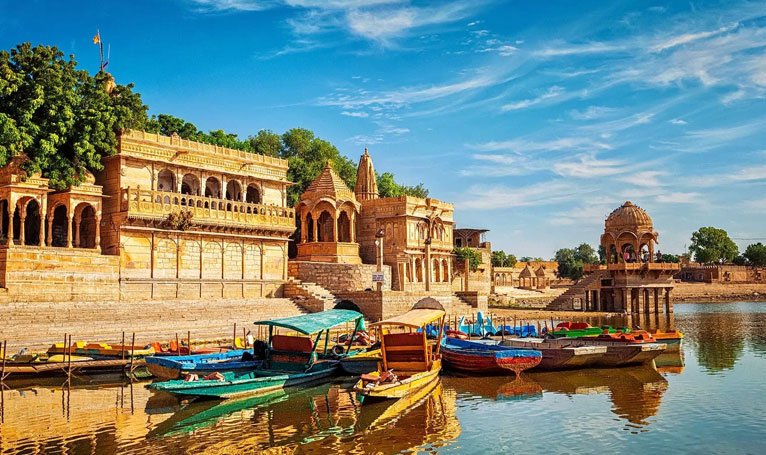
Gemini said
Experience the magic of the “Golden City” like never before. As a dedicated Jaisalmer tour operator, we have spent years navigating the narrow alleys of the Living Fort and the vast stretches of the Thar Desert. Jaisalmer isn’t just a destination on a map; it is a sensory journey into India’s royal past, where every sandstone brick tells a story of bravery, trade, and architectural brilliance. Whether you are looking for the quiet solitude of the dunes or the vibrant energy of local bazaars, Jaisalmer offers an immersive escape that stays with you long after the sand has been brushed off your boots.
The Architectural Marvel of the Golden Fort
The Jaisalmer Fort, or Sonar Quila, stands as the crown jewel of the city. Unlike many other forts in India that serve purely as museums, this is a living fort. Nearly a quarter of the city’s population still resides within its walls, creating a seamless blend of historical preservation and daily life. Walking through the fort, you will encounter ancient temples, bustling shops, and homes that have been passed down through generations. The yellow sandstone construction gives the entire structure a golden hue that changes with the movement of the sun, making it a photographer’s paradise. To truly understand the history behind these walls, many travelers opt for a guided Jaisalmer sightseeing tour to explore the hidden Jain temples and the intricate Raj Mahal.
Discovering the Elegance of Havelis
Beyond the fort, the city is dotted with grand merchant mansions known as Havelis. Patwon Ki Haveli is perhaps the most famous, featuring incredibly detailed stone carvings that look more like lace than rock. Salim Singh Ki Haveli and Nathmal Ki Haveli are equally impressive, showcasing the wealth and artistic taste of the traders who once dominated the Silk Road routes. These structures demonstrate a level of craftsmanship that is rarely seen in modern architecture, with balconies and windows designed to provide natural ventilation against the desert heat.
The Call of the Thar Desert
No trip to Jaisalmer is complete without venturing into the Sam Sand Dunes or the Khuri village. The Thar Desert provides a stark, beautiful contrast to the sandstone city. As the sun begins to set, the dunes transform into shades of orange and crimson.
- Camel Safaris: A traditional way to explore the undulating landscape.
- Jeep Safaris: For those seeking a bit more adrenaline over the dunes.
- Cultural Evenings: Traditional Rajasthani folk music and Kalbelia dance performances under the starlit sky.
- Desert Camping: Spending a night in a luxury tent allows you to experience the profound silence and clarity of the desert night.
Navigating the City with Ease
While the old city is best explored on foot, reaching the various heritage sites, desert camps, and the Tanot Mata Temple requires reliable transportation. The desert terrain can be challenging, and having a local expert behind the wheel makes a significant difference in your travel experience. If you are looking for comfort and punctuality, booking a professional taxi service in jaisalmer ensures that you can focus on the views rather than the logistics of navigation. Local drivers often double as informal guides, sharing anecdotes about the land that you won’t find in any guidebook.
The Flavors of Rajasthan
Jaisalmer’s culinary scene is a delight for those who appreciate bold spices and traditional cooking methods. Being a desert region, the local cuisine focuses on ingredients that can be preserved or grown in arid conditions.
- Ker Sangri: A unique desert bean and berry dish that is a staple of Rajasthani royalty.
- Gatte Ki Sabzi: Gram flour dumplings simmered in a tangy yogurt gravy.
- Lal Maas: A fiery mutton curry for those who love spice.
- Makhania Lassi: A thick, creamy saffron-infused yogurt drink that is perfect for cooling down after a day of exploration.
Best Time to Visit and Travel Tips
The ideal window to visit Jaisalmer is between October and March. During these months, the weather is pleasant during the day, though the desert nights can get quite chilly. The Desert Festival, usually held in February, is a fantastic time to see the city in its full glory, featuring camel races, turban-tying competitions, and local crafts. When packing, remember to bring lightweight cotton clothes for the day, a heavy jacket for the night, and plenty of sunscreen. Respecting local customs, especially when visiting the Jain temples, is essential; remember to dress modestly and remove leather items before entering sacred spaces.
Why Jaisalmer Captivates the Soul
Jaisalmer is more than just a tourist spot; it is a testament to human resilience and artistic passion. From the intricate carvings on a tiny window to the vast expanse of the dunes, the scale of beauty here is unmatched. It is a place where time seems to slow down, allowing you to appreciate the finer details of heritage and hospitality. Whether you are a history buff, a nature lover, or someone looking for a unique cultural experience, Jaisalmer provides a canvas of golden memories that you will cherish forever. Planning your journey with local experts ensures you see the authentic side of this desert gem, moving beyond the standard tourist trails to find the heart of Rajasthan.