
Top Rated Attractions in Chittorgarh You Cannot Miss

Exploring Jodhpur’s Most Iconic Landmarks and Palaces
March 24, 2026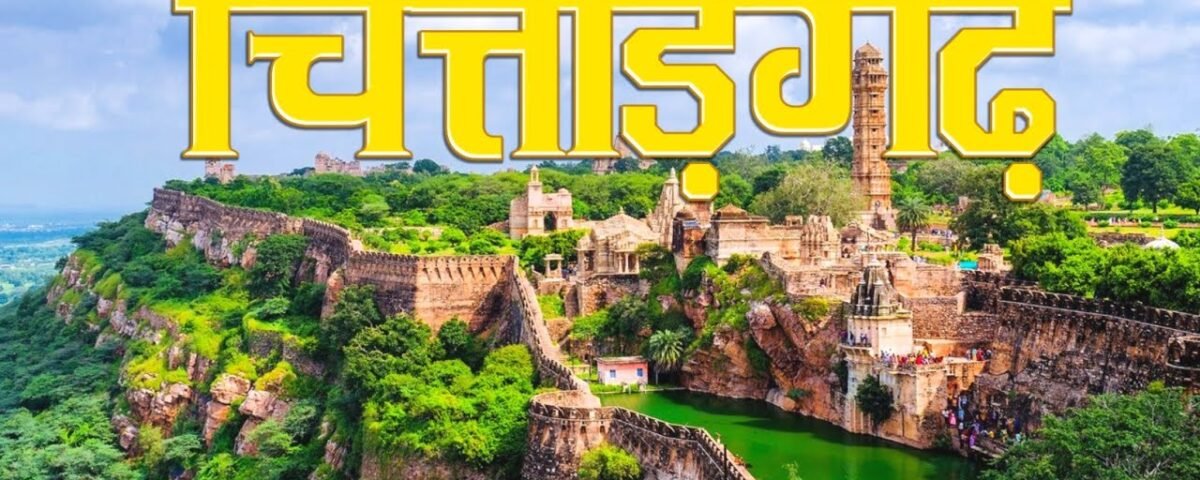
Chittorgarh, the land of sacrifice and valor, is an essential stop for any traveler seeking the true soul of Rajasthan. As a seasoned tour operator in Rajasthan, we have guided thousands of explorers through the winding gates of this hilltop citadel, ensuring they experience the legends of the Mewar dynasty firsthand. The city is not just a collection of ruins; it is a living testament to Rajput honor, sprawling across 700 acres and housing some of the most architecturally significant monuments in India. From the soaring heights of the victory towers to the serene reflections of royal palaces in lotus pools, Chittorgarh offers a journey back to the 7th century.
The Majestic Chittorgarh Fort: A UNESCO World Heritage Site
The crown jewel of the city is undoubtedly the Chittorgarh Fort. Perched on a 180-meter-high hill, it is the largest fort in India. Its massive perimeter is guarded by seven distinct gateways, or ‘Pols,’ each with its own story of defense. Visitors often start their journey at the Ram Pol, the main entrance, before delving into a Rajasthan heritage tour that explores the 65 historic structures contained within these walls. The fort’s sheer scale is best appreciated by a full-day exploration, covering everything from grand palaces to ancient water reservoirs that once sustained an entire army during long sieges.
Vijay Stambh: The Tower of Victory
Standing tall at 37 meters, the Vijay Stambh is perhaps the most iconic landmark within the fort. Built by Maharana Kumbha in 1448 to commemorate his victory over the Sultan of Malwa, this nine-story tower is a masterpiece of Rajput architecture. It is intricately carved with images of Hindu deities, celestial bodies, and musical instruments, serving as a vertical textbook of medieval iconography. Climbing the 157 narrow steps to the top rewards you with a panoramic view of the entire Chittorgarh town—a sight that captures the breathtaking scale of the Mewar kingdom’s influence.
Rani Padmini’s Palace and the Legend of Jauhar
One of the most poignant sites in the fort is Rani Padmini’s Palace, located in the middle of a peaceful lotus pool. This three-storied white structure is where, according to local legend, the Sultan of Delhi, Alauddin Khilji, saw the reflection of the beautiful queen in a mirror. The story of her beauty and the subsequent sacrifice of Jauhar (self-immolation) to protect her honor is a cornerstone of Rajasthani folklore. While the gardens and fountains offer a serene atmosphere today, the echoes of the past make it a deeply moving part of any historical itinerary.
Rana Kumbha Palace: Architecture and Mystery
The Rana Kumbha Palace is the oldest and most massive monument in the fort. It was the birthplace of Maharana Udai Singh, the founder of Udaipur, and the home of the famous bhakti poetess, Meerabai. Walking through the ruins of its vaulted chambers and balconies, you can feel the weight of history. The palace also contains underground cellars where the first of the three legendary Jauhars is believed to have taken place. Despite its ruined state, the intricate stone carvings and massive stables provide a glimpse into the once-lavish lifestyle of the Mewar royals.
Kirti Stambh: The Tower of Fame
Dedicated to the first Jain Tirthankara, Adinatha, the Kirti Stambh is a 22-meter-high tower that predates the Vijay Stambh. Built by a wealthy Jain merchant in the 12th century, it is adorned with detailed figures of the Digambara sect. This structure highlights the religious diversity and cultural harmony that existed in Chittorgarh. It stands as a beacon of Jain architecture, with its narrow staircases and columned balconies reflecting a different yet equally impressive style of craftsmanship compared to the Rajput victory towers.
Spiritual Sanctuaries: Meera Temple and Kalika Mata Temple
Chittorgarh is as much a spiritual hub as it is a military one. The Meera Temple, built in the Indo-Aryan style, is dedicated to the mystic saint-poetess Meerabai. It remains a peaceful sanctuary where devotees still sing her hymns to Lord Krishna. Nearby, the Kalika Mata Temple, originally an 8th-century Sun Temple later converted to honor Goddess Kali, stands as a symbol of power and protection. These temples are essential for those looking to understand the deep-rooted faith that fueled the bravery of the Rajput warriors.
Practical Travel Tips for Your Visit
To make the most of your journey, timing is everything. The best time to visit Chittorgarh is between October and March when the weather is pleasant for walking the expansive fort grounds. If you are looking for Rajasthan Budget Tour Packages, consider visiting during the shoulder seasons like July or September, when the monsoon rains turn the landscape lush and green, offering a unique perspective of the “Water Fort” and its many reservoirs. Always carry comfortable walking shoes and plenty of water, as exploring the 700-acre site involves significant walking.