
10 Best Places to Visit in Jawai Monsoon

Rajasthan in the Rain: Best Monsoon Places to Visit
July 13, 2026
Udaipur to Mount Abu Sightseeing Tour: A Complete Guide
July 16, 2026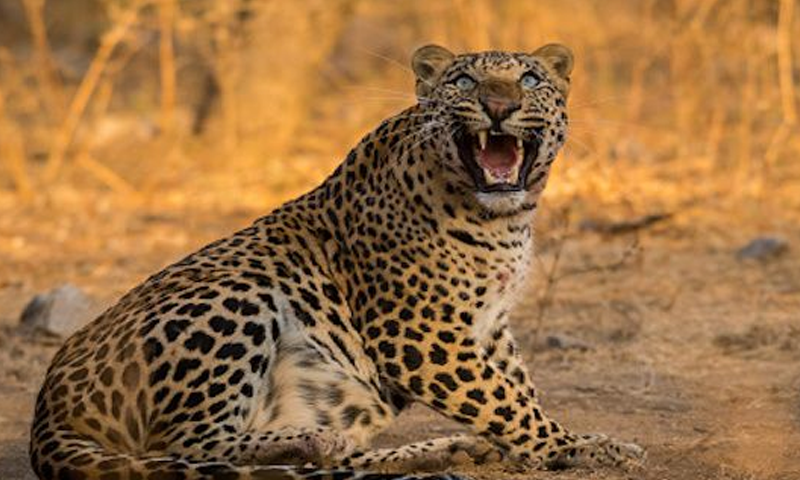
Jawai is universally recognized as the rugged leopard capital of Rajasthan, characterized by its dramatic, ancient granite formations and arid expanses. However, when the rains arrive between July and September, this wild landscape undergoes a complete ecological rebirth. The dust settles, the brown valleys are carpeted in vibrant green vegetation, and misty clouds hover low over the Aravalli peaks. Experiencing this region during the rainy season offers travelers a unique perspective on wildlife and rural heritage, far away from standard winter crowds. Choosing the right resort in jawai acts as your central gateway to exploring this seasonal transformation comfortably. The unique combination of thriving wilderness, overflowing water bodies, and mist-covered monolithic rocks creates an unforgettable setting.
1. Jawai Bandh Crocodile Sanctuary
The expansive reservoir formed by the dam serves as a sanctuary for hundreds of mugger crocodiles. During the monsoon, the rising water levels alter their behavior, presenting spectacular viewing opportunities along the newly submerged rocky edges. As the heavy downpours pause, these massive reptiles can frequently be observed resting on the smooth granite banks bordering the swollen river. Photographers find this period exceptionally rewarding due to the deep contrast between the dark, wet stones and the sharp, clean light filtered through rain clouds.
2. Devgiri Cave Temple
Situated halfway up a massive granite monolith, the Devgiri Temple provides a powerful example of spiritual heritage intertwined with local ecology. The ancient cave shrine is dedicated to the local deity, Mother Ashapura, and is deeply revered by the indigenous communities. During the rainy season, the steep stone pathways leading up to the cave turn into pathways flanked by seasonal mosses and tiny wild blooms. The peak of the hill delivers panoramic viewpoints of the entire rain-drenched valley, revealing how the wilderness completely transforms under the influence of the seasonal rains.
3. Kambeshwar Mahadev Temple
Tucked deep within a rugged hill pass, this temple offers a profound look into the regional culture and structural geography of the Pali district. Dedicated to Lord Shiva, the temple sits surrounded by high cliffs that generate seasonal waterfalls during active monsoon spells. Navigating the winding mountain passes to reach the shrine during the wet season exposes visitors to mist-shrouded valley floors and refreshing breezes. The atmospheric conditions create a highly serene environment, making it a favored destination for travelers who value architectural heritage and natural isolation.
4. Jawai Hills Conservation Reserve
The granite outcroppings within the conservation area serve as the primary habitat for the local wildlife population. While the expanding vegetation makes the terrain denser, tracking the top predators remains a highly thrilling endeavor. Booking a guided Jawai Leopard Safari during these months places you directly into a landscape where the golden coats of the big cats stand out brilliantly against the rain-washed green hills. The leopards regularly move across the high, dry tops of the granite boulders to escape the wet grass below, providing clean sightings against dramatic skies.
5. Rabari Tribal Villages
The human-wildlife harmony in this region is anchored by the pastoral Rabari tribe, whose unique lifestyle has remained unchanged for centuries. The arrival of the rain marks an important phase for the agrarian community, as the surrounding fields turn vibrant and livestock grazing patterns adjust to the new pastures. Walking through the neat settlements during the afternoon reveals a vivid display of traditional red turbans and intricate embroidery. Observing how these herdsmen guide their livestock past the very hills where large predators live offers deep insights into a successful model of natural coexistence.
6. Sena Bandh and the Surrounding Grasslands
Located a short distance from the primary reservoir, this smaller check dam fills up rapidly with the seasonal downpours, turning the surrounding landscape into lush wetlands. The adjacent grasslands flourish, creating an ideal feeding ground for various native mammals, including nilgai, wild boars, and desert foxes. The area is highly peaceful during the wet months, offering an authentic wilderness experience away from standard tracks. The combination of standing water, fresh grass, and distant hills makes it an exceptional spot for landscape photography.
7. Birdwatching Points Near the Main Reservoir
The filled water bodies turn the region into an active sanctuary for resident and early migratory avifauna. The monsoon environment draws numerous species that build nests and raise their young along the secure margins of the lake. Visitors can easily observe elegant flamingos, painted storks, sarus cranes, and herons wading through the shallow bays. The surrounding cliffs also serve as nesting sites for powerful raptors, which use the cool thermal winds to glide effortlessly over the expansive water surfaces.
8. Abhinav Mahavir Dham
For travelers seeking architectural brilliance and absolute quiet, this Jain temple complex located near Sumerpur is an ideal stop. Constructed with grand white marble, the complex features exceptionally detailed carvings and expansive courtyards that capture the cool rainy weather beautifully. The structural design stands out elegantly against the dark, overcast monsoon skies, offering a peaceful environment for quiet contemplation. The pristine cleanliness of the temple property combined with the calm weather creates a deeply restorative experience.
9. Varawal Leopard Safari Path
This specific trail winds through dense scrub forests and rocky gaps that become lively after the initial summer showers. The seasonal streams cutting across the sandy paths add a soft element of adventure to the daily excursions. Securing an all-inclusive Jawai leopard safari package guarantees that you navigate these variable seasonal trails in rugged 4×4 vehicles handled by local trackers. The local experts understand the altered movements of the animals during rainy conditions, maximizing the chances of witnessing a predator moving gracefully over the wet rocks.
10. High Granite Sunset Points
The weather dynamics during the rainy season create some of the most dramatic evening skies visible anywhere in Rajasthan. The high vantage points scattered across the granite hills provide unobstructed views of the sunset breaking through shifting storm clouds. The fading sunlight reflects brilliantly off the wet, glistening boulders and the vast water surface of the dam below. Standing atop these ancient rocks as the cool breeze sweeps across the green plains provides a perfect, grounding conclusion to a monsoon exploration.