

The Science and History Behind Jodhpur’s Iconic Blue Walls

Jaipur Local Sightseeing: Best Attractions You Shouldn’t Miss
March 11, 2026
Durable & Elegant: Why Granite is Best for Your Kitchen
March 12, 2026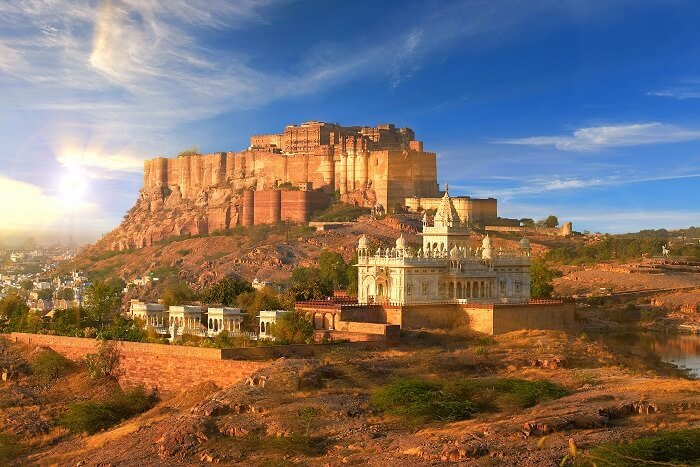
Welcome to Jodhpur, the mesmerizing Blue City of Rajasthan. For decades, travelers from across the globe have flocked to the edge of the Thar Desert to witness the breathtaking sea of cerulean, indigo, and sky-blue houses clustered beneath the imposing Mehrangarh Fort. As a trusted local transportation provider, Jodhpur Taxi Services understands that visitors are not just looking for a ride; they are seeking a deep cultural immersion. When you book a taxi service in jodhpur, you are often paired with knowledgeable local drivers who have spent their lives navigating these vibrant, winding alleys. The striking azure facades of the old city are world-famous, but the story behind them is a fascinating blend of ancient social hierarchy, pragmatic desert survival, and basic chemistry. Let us delve into the complex science and history that gave Jodhpur its enduring, colorful identity.
The Historical and Cultural Roots of the Blue Hues
The origins of Jodhpur’s blue walls date back several centuries, deeply intertwined with the region’s complex social and cultural fabric. Historically, India’s caste system played a significant role in dictating societal norms, including architecture and urban planning. In Jodhpur, the color blue was initially reserved strictly for the Brahmin caste, the priestly and scholarly class within the Hindu social hierarchy. Painting their homes blue was a definitive way for Brahmins to distinguish their residences from those of other castes, especially in the densely populated neighborhoods immediately surrounding Mehrangarh Fort. This visual demarcation served as a symbol of high social status, spiritual purity, and exclusivity. Over time, however, the exclusivity of the color began to fade. As non-Brahmin families recognized the distinct advantages of the blue coating, they gradually began adopting the practice for their own dwellings. Today, the blue walls are no longer a marker of caste separation but rather a unifying cultural emblem that defines the entire old city.
The Scientific Pragmatism Behind the Paint
While the historical roots are based on social structure, the widespread adoption of the blue color is rooted in pure science and environmental adaptation. The foundational ingredient of the original blue wash was a mixture of limestone (chuna) and copper sulphate, occasionally mixed with natural indigo extracts. This unique chemical composition provided significant practical benefits for desert living. First and foremost, the blue limestone wash acts as a highly effective thermal insulator. Jodhpur experiences scorching summer temperatures that routinely exceed forty degrees Celsius. The blue pigment naturally reflects the harsh sun rays, preventing the masonry from absorbing excessive heat. Consequently, the interiors of these homes remain remarkably cool, providing an ancient, eco-friendly form of air conditioning for the residents. Furthermore, the addition of copper sulphate to the whitewash creates a potent deterrent against termites and other destructive insects. In an era before modern pest control, protecting traditional structures from wood-boring insects was a matter of basic survival. Traveling through these historic streets with your family or group in a tempo traveller in jodhpur allows you to observe firsthand how these tightly packed, well-preserved blue homes have withstood both the test of time and the harsh desert climate.
Evolution from Caste Marker to Global Identity
What began as a social signifier and a practical pest control method has organically evolved into one of the most recognizable cityscapes in the world. The blue walls of Jodhpur have transcended their original purposes to become a masterclass in urban aesthetic identity. Photographers, historians, and tourists are universally captivated by the visual contrast between the stark, arid landscape of the Marwar region and the vibrant, cooling blue of the city below. This unique color palette also creates a stunning foreground to the massive, red sandstone walls of Mehrangarh Fort, drawing the eye and capturing the imagination. The residents of the old city now maintain the blue facades out of a deep sense of civic pride and an understanding of its profound importance to local tourism. The ongoing preservation of this architectural heritage ensures that Jodhpur remains a vital, living museum of Rajasthani culture and history.
Experiencing the Blue City’s Architecture Firsthand
Reading about the history and chemical composition of Jodhpur’s blue walls is informative, but experiencing the labyrinthine streets of the old city in person is truly transformative. Navigating the narrow, winding alleys of historic neighborhoods like Navchokiya reveals a vibrant local life that remains largely unchanged by modern times. You can see the varying shades of blue, from deep cobalt to pale sky, reflecting the individual preferences and maintenance routines of each household. To fully appreciate the architectural nuances, the hidden stepwells, and the intricate jharokhas (overhanging enclosed balconies) carved from sandstone, a guided exploration is highly recommended. Booking a comprehensive jodhpur day tour ensures that you do not miss the historical context and the hidden gems tucked away in the blue maze. Expert local guides can point out the original Brahmin houses, explain the evolution of the city’s layout, and provide an authentic, trustworthy narrative that significantly enhances your understanding of this magical destination.
Preserving the Legacy of Jodhpur
In conclusion, the iconic blue walls of Jodhpur are a lasting testament to human ingenuity and the profound intersection of local culture and environmental science. From their origins as a symbol of Brahmin status to their practical application as a cooling mechanism and termite repellent, these walls tell a complex and thoroughly fascinating story. As you plan your visit to this magnificent city, understanding the true heritage behind the aesthetic will undoubtedly enrich your travel experience. Jodhpur Taxi Services remains committed to providing you with safe, authoritative, and expertly guided transportation, ensuring your journey through the Blue City is as educational as it is visually stunning. By exploring these ancient streets responsibly and with a sense of historical awareness, we all contribute to the preservation of a global architectural treasure that continues to stand proudly against the shifting desert sands.