

Sawai Madhopur Sightseeing: Chauth Mata Temple & More

The Ultimate Sightseeing Itinerary for Kumbhalgarh Fort
March 27, 2026
Toast to Love: Best Rooftop Bars for Unforgettable Sunset Moments
March 28, 2026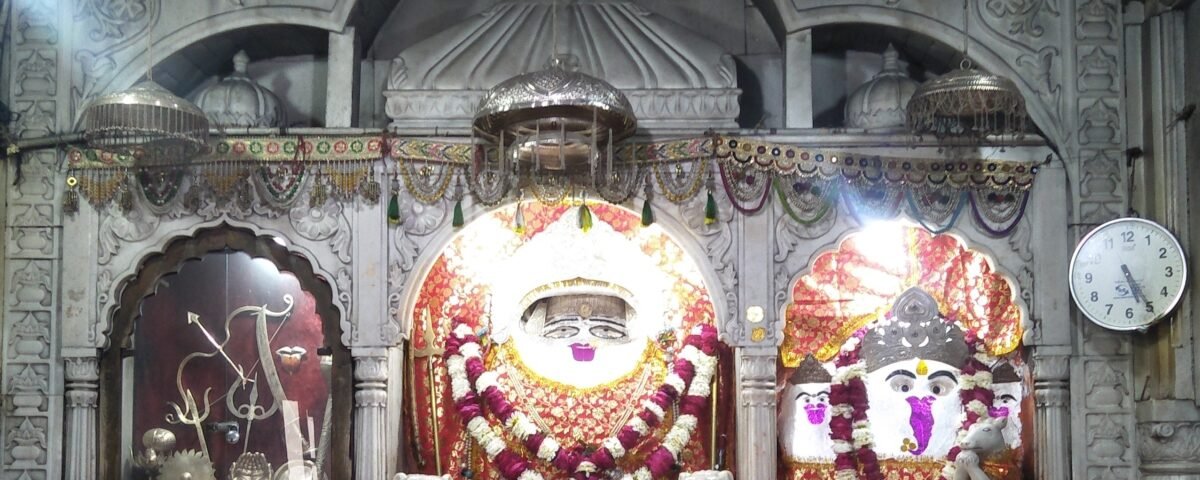
Sawai Madhopur serves as the gateway to the wild, but beyond the growl of the Bengal tiger lies a land steeped in spiritual heritage and architectural brilliance. When planning a trip to this rugged corner of Rajasthan, finding a comfortable resort in Ranthambore is often the first priority for travelers. However, the true essence of the region is found in its ancient stone walls and the deep-seated faith of its people. From the legendary Chauth Mata Temple to the towering heights of the Ranthambore Fort, the sightseeing opportunities here offer a profound look into the cultural soul of India, balancing the adrenaline of a safari with the serenity of a pilgrimage.
The Spiritual Significance of Chauth Mata Temple
Located approximately 22 kilometers from the main city, the Chauth Mata Temple is perhaps the most revered spiritual site in the district. Perched atop a hill near the town of Chauth Ka Barwara, this temple is dedicated to Chauth Mata, the guardian deity of the region. To reach the sanctum, devotees and visitors must climb a flight of nearly 700 stairs. While the climb may seem daunting, the panoramic views of the surrounding Aravali hills and the town below provide a refreshing reward. The temple was originally constructed by Maharaja Bhim Singh in the 15th century, and the idol was brought from the village of Pachala. Today, it remains a cornerstone of local faith, especially during the festival of Karwa Chauth, when thousands of women flock here to seek blessings for the longevity of their husbands. The atmosphere is thick with incense and the rhythmic chanting of hymns, offering a sensory experience that defines the spiritual landscape of Sawai Madhopur.
Exploring the Grandeur of Ranthambore Fort
No exploration of the area is complete without visiting the UNESCO World Heritage site that gave the national park its name. Ranthambore Fort is a formidable structure that has stood the test of time since the 10th century. Strategically located on a hilltop, it offers a commanding view of the entire tiger reserve. Walking through its massive gates, like the Navlakha Pol and Hathi Pol, feels like stepping back into a history of valor and chivalry. Inside the fort complex, you will find ruins of palaces, stepwells, and cenotaphs that showcase the brilliance of Rajput architecture. The most famous landmark within the fort is the Trinetra Ganesha Temple. It is unique because it houses an idol of Lord Ganesha with three eyes. Interestingly, the temple receives thousands of wedding invitations and letters from across the country every year, as it is a local tradition to seek the Lord’s blessing before any auspicious beginning.
Natural Wonders and Wildlife Corridors
While the tiger is the star attraction, the ecosystem of Sawai Madhopur is diverse and breathtaking. The intersection of the Vindhya and Aravali mountain ranges creates a unique topography of sharp ridges and deep valleys. For those interested in the diverse Places to Visit in Ranthambore, the Padam Talao and Raj Bagh Talao are essential stops. These lakes are not just watering holes for wildlife; they are scenic vistas where the ruins of the Jogi Mahal stand reflected in the water. Birdwatchers will find this area particularly rewarding, as the wetlands attract a variety of migratory species during the winter months. Watching a herd of Sambar deer wading through the lily pads while a crocodile basks on the shore is a quintessential Ranthambore moment that captures the raw beauty of the Indian wilderness.
Crafting Your Itinerary: Cultural and Local Experiences
The charm of this region extends beyond the forest boundaries and into the local communities. There are numerous Things to Do in Sawai Madhopur that allow travelers to engage with the local culture. A visit to the Shilpgram (Craft Village) is highly recommended for those who appreciate traditional artistry. Here, you can witness local women creating intricate tiger paintings, pottery, and handicraft items that help sustain the local economy. Additionally, the Rajiv Gandhi Regional Museum of Natural History provides excellent insights into the flora and fauna of Western India, making it a great educational stop for families. Sampling the local Rajasthani cuisine, particularly the spicy “Dal Baati Churma” and “Gatte ki Sabzi” at local eateries, completes the sensory journey of Sawai Madhopur.
Hidden Gems: Surwal Lake and Khandar Fort
For the traveler who prefers the path less taken, Surwal Lake offers a tranquil escape. Located about 10 kilometers from the city, this seasonal lake is a paradise for photographers, especially during sunrise when the light hits the water and the local birdlife is most active. Another significant site is the Khandar Fort, situated on the boundary of the national park. Often overlooked by the mainstream tourist crowd, this “untreatable” fort remains largely in ruins but offers a hauntingly beautiful glimpse into the military strategic history of Rajasthan. Its vertical cliffs made it nearly impossible for enemies to conquer, and today, those same cliffs provide a nesting ground for various birds of prey. These sites offer a quieter, more contemplative experience compared to the bustling safari zones, allowing for a deeper connection with the rugged landscape.
Practical Tips for Travelers
Visiting Sawai Madhopur requires a bit of planning to ensure a seamless experience. The best time to visit is between October and March when the weather is pleasant for sightseeing and the national park is open to the public. During the summer months, temperatures can soar, making outdoor excursions quite challenging. It is advisable to book your safari slots well in advance through the official forest department portal, as they tend to fill up quickly. For spiritual visits like the Chauth Mata Temple, try to visit early in the morning to avoid the midday sun and the heavy crowds. Wearing comfortable walking shoes is a must, given the rocky terrain of the forts and the many steps at the temples. Respecting local customs, such as dressing modestly at religious sites and maintaining silence during wildlife sightings, ensures a respectful and enriching travel experience for everyone involved.