
Choosing Granite: Pros, Cons, and Maintenance for Kitchens

Is Hymenoplasty Right for You? Essential Insights Before the Procedure
April 9, 2026
The Ultimate Jaisalmer Guide: Why It’s a Must-Visit Spot
April 9, 2026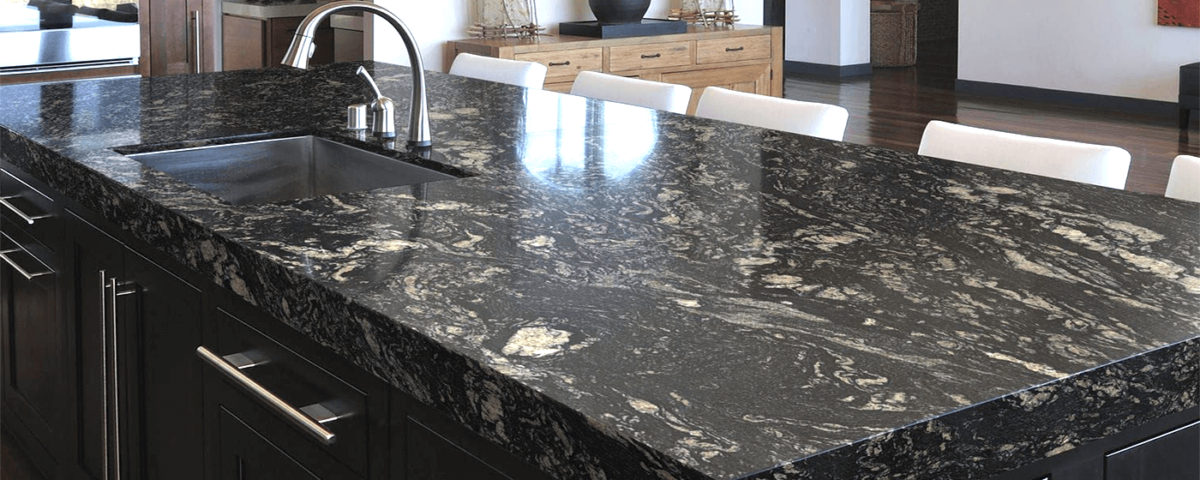
Selecting the right material for your kitchen surfaces is a decision that balances aesthetic appeal with long-term functional performance. Among the myriad of options available to homeowners and designers today, granite remains a premier choice due to its natural origin and remarkable resilience. When you look to Transform Your Kitchen with Granite, you are investing in a volcanic rock formed over millions of years, ensuring that no two slabs are ever identical. This inherent uniqueness provides a level of luxury and character that synthetic materials struggle to replicate. At Galaxy Exports, we understand that choosing a countertop is about more than just surface-level beauty; it is about finding a material that stands up to the rigors of daily life while maintaining its luster for decades.
The Enduring Pros of Granite Surfaces
The primary reason granite remains a staple in high-end kitchen design is its incredible durability. On the Mohs scale of mineral hardness, granite typically ranks between 6 and 7, making it significantly harder than marble or limestone. This hardness translates directly to scratch resistance. You can prepare meals, move heavy cookware, and handle daily kitchen tasks with the confidence that your countertops will not easily succumb to abrasions. Furthermore, granite is naturally heat resistant. While we always recommend using trivets to protect the sealant, the stone itself can withstand high temperatures without melting or scorching, a common issue with laminate or solid surface alternatives.
Beyond its physical toughness, the aesthetic diversity of granite is unmatched. Because it is a natural product composed of various minerals like quartz, feldspar, and mica, the color palettes range from deep obsidian blacks and earthy garnets to shimmering whites and forest greens. This variety ensures that whether your home features a rustic farmhouse aesthetic or a sleek modern vibe, there is a slab that complements your vision. For those who prioritize a classic look, some may even consider a Kitchen with Marble Countertops, yet they often return to granite for its superior resistance to staining and etching in high-traffic cooking environments.
Potential Cons to Consider
While the benefits are extensive, a transparent look at the material requires acknowledging its limitations. One of the main considerations is that granite is a porous material. Unlike stainless steel or engineered quartz, natural stone has microscopic pores that can absorb liquids if not properly treated. If a spill—especially one involving acidic substances like lemon juice or red wine—is left to sit on an unsealed surface, it can cause deep-seated staining. This porosity also means that the stone requires periodic sealing to maintain its protective barrier.
Another factor is the complexity of installation. Granite is exceptionally heavy and brittle until it is properly supported on cabinetry. This makes it a poor candidate for DIY projects. Professional fabrication and installation are essential to ensure the slabs are cut precisely, the seams are minimized and color-matched, and the weight is distributed safely across your kitchen units. Additionally, because it is a natural product, “perfection” in the sense of a perfectly uniform pattern does not exist. The very veining and spotting that make it beautiful can also make it difficult to hide seams if the kitchen layout requires multiple pieces of stone joined together.
Essential Maintenance for Longevity
Maintaining the brilliance of your stone is surprisingly simple if you follow a consistent routine. For daily cleaning, a soft cloth and warm, soapy water are usually all that is required. It is vital to avoid harsh chemical cleaners, bleach, or abrasive scrubbing pads, as these can strip away the sealer and dull the polished finish of the stone over time. If you are sourcing your materials from a reputable granite exporter in india, they will likely advise you that the quality of the initial polish and seal sets the stage for how much work you will have to do in the future.
Testing the integrity of your sealer is a quick task you can perform at home. Simply drop a small amount of water on various areas of the countertop. If the water beads up, your sealer is intact. If the water soaks into the stone and creates a dark spot after a few minutes, it is time to reapply a high-quality impregnating sealer. Most homeowners find that sealing their countertops once every one to two years is sufficient to keep them looking brand new. By addressing spills immediately and using cutting boards to protect both your knives and the stone, you ensure your investment remains a centerpiece of your home.
Making the Final Decision
Choosing between natural stones involves weighing your lifestyle against your design goals. Granite offers a “middle ground” of sorts—it provides the organic, high-end feel of natural stone without the high-maintenance fragility of softer minerals. It is a workhorse material that adds significant resale value to a property because buyers recognize its longevity and status. When you partner with an experienced supplier like Galaxy Exports, you gain access to global-standard materials that have been vetted for structural integrity and aesthetic consistency.
Ultimately, the kitchen is the heart of the home, and the surfaces you choose define its atmosphere. Granite provides a tactile connection to the earth’s history, bringing a sense of permanence and strength to your living space. Whether you are remodeling a historic villa or designing a contemporary apartment, the blend of utility and natural art found in granite is difficult to beat. By understanding the maintenance requirements and respecting the stone’s natural properties, you can enjoy a kitchen surface that performs as beautifully as it looks for a lifetime.