
Natural vs. Exotic Stone: Guide to Uses & Differences

Complete 14-Day Rajasthan Holiday Road Trip Plan
November 11, 2026
How to Spend 3 Days in Jaisalmer: Full Itinerary
November 11, 2026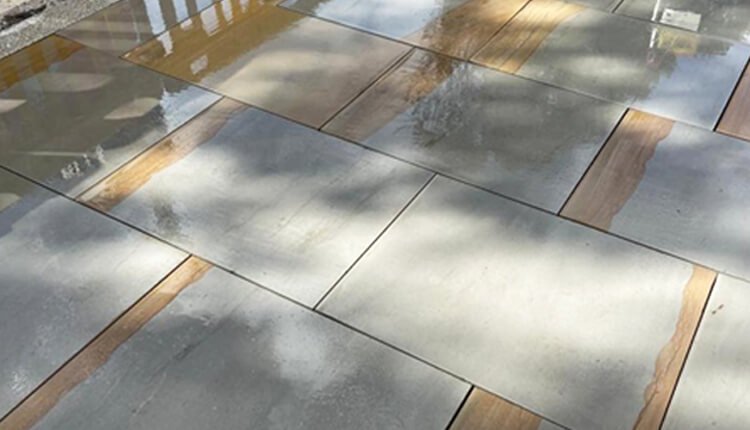
Selecting architectural surfaces requires balancing geological durability with visual distinction. While standard quarried rocks provide structural dependability, rare mineral formations deliver bespoke luxury. Sourcing premium blocks demands specialized quarry extraction and supply chain infrastructure across international trade routes.
Understanding Geological Formations and Characteristics
Natural stones encompass igneous, sedimentary, and metamorphic classifications formed over millennia through standard tectonic cooling and compression. Granite, slate, limestone, and sandstone are common examples recognized for balanced mineral distribution, uniform bedding planes, and predictable thermal resistance. Their structural stability makes them suitable for commercial structures, large-scale cladding, and heavy exterior paving.
Exotic stones, conversely, represent distinct metamorphic or igneous anomalies formed under extreme geological temperatures, complex mineralization, and volatile tectonic stress. These conditions introduce rare minerals such as sodalite, chromium-rich mica, or deep quartz crystals. The resulting materials exhibit dramatic veining, translucent matrices, and vibrant pigments that depart from conventional earth tones.
Durability, Porosity, and Maintenance Requirements
Evaluating structural density and chemical resistance ensures proper specification for residential or commercial projects.
- Density and Compressive Strength: Standard natural granite and quartz-based stones offer high compressive strength, resisting mechanical impact across heavy transit corridors. Exotic quartzites match or exceed granite hardness, whereas exotic marbles, onyx, and sodalite are softer and vulnerable to scratching.
- Chemical Reactivity and Porosity: Sedimentary limestone and classic marbles contain calcium carbonate, reacting quickly with mild household acids. Exotic varieties like onyx or calcite react similarly, requiring immediate stain remediation. Dense quartzite resists acids effectively, whereas porous metamorphic stones require deep-penetrating sealers.
- Maintenance Regimens: Standard varieties require periodic sealing every three to five years under regular use. Exotic surfaces require specialized neutral-pH cleaners and bi-annual fluoropolymer sealants to prevent matrix degradation.
Primary Applications and Interior Specifications
Surface placement dictates optimal stone selection based on mechanical load, chemical exposure, and aesthetic intent.
High-Traffic Flooring and Outdoor Environments
Exterior paving, public walkways, and commercial lobbies require high slip resistance and climate tolerance. Sandstone provides split-face grip, thermal stability, and low heat retention in hot climates, making it popular for pool surrounds and facades. Working with an experienced Sandstone exporter in India ensures the procured batches maintain consistent dimensional tolerance and freeze-thaw endurance.
Statement Feature Walls and Premium Countertops
Exotic stone excels where visual impact takes priority over heavy impact loads. Backlit onyx panels, bookmatched quartzite feature walls, and waterfall islands showcase intricate structural veins. Procuring rare blocks through an established exotic stone supplier in India guarantees access to structurally stable slabs that have undergone resin consolidation to reinforce natural fissures.
Comprehensive Comparison Matrix
| Property | Natural Stone | Exotic Stone |
|---|---|---|
| Mineral Composition | Feldspar, quartz, calcite, silica | Sodalite, epidote, semi-precious quartz crystals |
| Color Uniformity | Predictable patterns, muted earth tones | Non-repeating veining, high-contrast pigmentation |
| Material Availability | Plentiful quarry reserves worldwide | Limited quarry deposits, scarce vein access |
| Fabrication Complexity | Standard diamond tooling, straightforward cutting | Requires custom blade speeds, vacuum resin infusion |
| Budget Consideration | Economical to mid-range investment | Premium architectural grade investment |
Sourcing and Ethical Quarrying Considerations
Commercial projects require verifying material provenance to ensure structural consistency and ethical extraction. Galaxy Exports maintains rigorous quality control protocols across extraction, gang-saw processing, and surface finishing. Inspecting slab integrity at source quarries prevents hidden structural faults from reaching fabrication phases, ensuring projects achieve both aesthetic elegance and structural longevity.