

Best Time for Ranthambore Safari and Zone Booking Tips

Jeep Safari in Jaisalmer: Tips, Cost & Best Time
April 10, 2026
Stay Connected with Transport-Friendly Udaipur Hotels
April 10, 2026Best Time for Ranthambore Safari and Zone Booking Tips
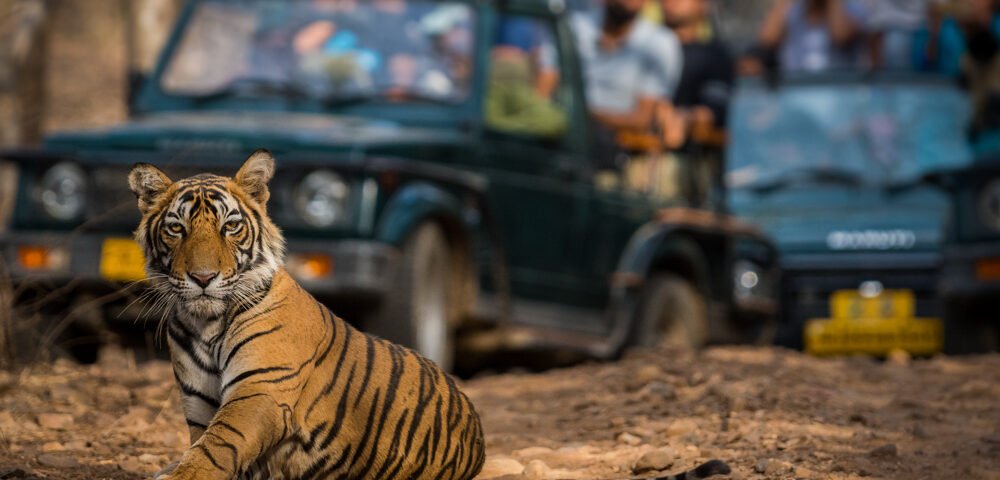
Showstopper A tiger cub at Ranthambore Tiger Reserve, India
Planning a trip to the wilderness of Rajasthan requires more than just excitement; it demands a strategic approach to timing and logistics. Whether you are a seasoned wildlife photographer or a family looking for your first encounter with the Royal Bengal Tiger, choosing the right resort in Ranthambore is just the beginning of a successful expedition. To truly experience the magic of the dry deciduous forests, you must align your visit with the seasonal patterns of the wildlife and navigate the intricate zone booking system that governs the park.
Understanding the Seasonal Cycles of Ranthambore
The Ranthambore National Park remains closed to visitors during the monsoon season, typically from July to September, to allow the ecosystem to rejuvenate and provide a peaceful breeding ground for the animals. The park reopens on October 1st, marking the start of the peak tourist season. Between October and February, the weather is pleasant and cool, making it a comfortable time for long drives through the forest. During these winter months, the foliage is lush and green following the rains, providing a stunning backdrop for photography, though the thick vegetation can sometimes make tiger sightings more of a challenge.
As the calendar moves into March and extends through June, the landscape undergoes a dramatic transformation. The greenery fades into shades of gold and brown, and the undergrowth thins out significantly. This is widely considered the best time for a jungle safari in Ranthambore if your primary goal is wildlife viewing. As temperatures rise, tigers and other animals are frequently spotted near the remaining water holes, such as Padam Talao and Raj Bagh, to quench their thirst and cool down. While the heat in May and June can be intense, the rewards for patient observers are often unparalleled.
Strategic Tips for Safari Zone Booking
Ranthambore is divided into ten distinct safari zones, each offering a unique topography and different opportunities for sightings. Zones 1 through 5 are part of the original core area and are historically famous for high tiger activity due to the presence of large lakes and ancient ruins. Zones 6 through 10 were added later and offer a more rugged, hilly terrain that provides a different kind of aesthetic beauty. When booking, it is vital to remember that no single zone can “guarantee” a sighting, as these are wild animals in their natural habitat, but diversifying your bookings across different zones can increase your chances significantly.
To secure your preferred zones, advance planning is essential. The booking window opens several months in advance, and high-demand zones like 3 and 4 often sell out within minutes of becoming available. If you find that the core zones are fully booked, do not be discouraged. The buffer zones (6-10) have seen a significant increase in tiger sightings in recent years as younger tigers establish new territories. Working with a knowledgeable local partner or staying at a specialized resort in Ranthambore can provide you with better insights into which zones have been most active in the weeks leading up to your arrival.
Choosing Your Safari Vehicle: Jeep vs. Canter
One of the most important decisions you will make during the booking process is the type of vehicle you choose. A jeep safari in Ranthambore involves a 6-seater open-top Maruti Gypsy, which offers a more intimate and quiet experience. Jeeps are nimbler and can navigate the narrow, rocky paths of the forest with greater ease than the larger vehicles. They are generally preferred by photographers who need the flexibility to move quickly for the perfect angle.
Alternatively, the Canter is a 20-seater open bus. While it is more budget-friendly, it can be noisier and less maneuverable. However, because the Canter sits higher off the ground, it sometimes provides a better vantage point for looking over tall grass or bushes. Regardless of the vehicle type, all safaris are accompanied by a mandatory forest department guide and a driver. Their expertise in tracking pugmarks and listening for alarm calls from langurs and deer is what ultimately leads to those breathtaking moments when a tiger emerges from the shadows.
Essential Checklist for a Successful Safari
To maximize your experience, always carry a valid photo ID that matches the details on your safari permit, as these are strictly checked at the park gates. Wear muted, earth-toned clothing like khaki, olive green, or beige to blend into the surroundings; bright colors can be distracting to the wildlife. Dust can be a major factor during the summer months, so bringing a scarf or mask and protective gear for your camera lenses is highly recommended.
Lastly, embrace the spirit of the jungle. While the tiger is the undisputed star of Ranthambore, the park is also home to leopards, sloth bears, striped hyenas, and over 300 species of birds. Approaching each safari with patience and a respect for the entire ecosystem ensures that your trip remains a memorable adventure regardless of which specific animals cross your path. By combining the right timing with a smart booking strategy, you set the stage for an authentic encounter with India’s wild heart.