
Top Pushkar Fair Activities, Cultural Shows, and Tours

Plan Your Udaipur to Jodhpur 2 Days Sightseeing Trip
November 20, 2026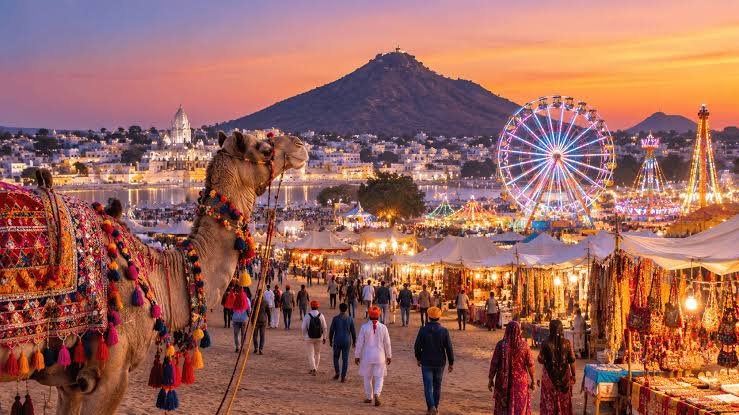
Every November during the sacred Hindu month of Kartik, the quiet temple town of Pushkar transforms into the epicenter of Rajasthan’s rural economy, folk heritage, and spiritual devotion. For travelers planning to witness this iconic gathering, navigating the sensory overload of thousands of livestock traders, pilgrims, and international visitors requires practical ground knowledge. Having organized desert itineraries across the Ajmer-Pushkar belt for years, our travel specialists at Rajasthan Yatra have compiled this field-tested guide to help you make the most of the festivities without missing the authentic moments behind the spectacle.
Iconic Pushkar Fair Activities You Cannot Miss
The fair unfolds in two distinct phases: the initial livestock trading days followed by the cultural and spiritual celebrations culminating on Kartik Purnima. Arriving at the Mela Ground just after sunrise offers the clearest light for photography and lets you watch nomadic Raika pastoralists grooming their animals before the midday crowds build.
- Camel Trading and Livestock Pageantry: Over 50,000 camels, horses, and cattle converge on the sand dunes. Beyond active bargaining, the Gorband Camel Decoration Competition showcases animals adorned in mirrored pom-poms, embroidered saddles, and silver anklets, followed by the high-energy Camel Dance and Horse Dance contests.
- Traditional Rural Competitions: Head to the main stadium arena to watch lighthearted folk contests. Highlights include the Longest Moustache Competition, the women’s Matka Race—where participants sprint while balancing clay water pots—and friendly Tug-of-War, Kabaddi, and Lagaan-style cricket matches pitting local teams against international travelers.
- Dawn Hot Air Balloon Flights: Taking to the skies at 6:30 AM provides a panoramic vantage point over the sprawling tented encampments, the Aravalli hills, and the sacred Sarovar below.
- Shilpgram Handicrafts Bazaar: Set up specifically for the fair, this open-air craft village brings together master artisans selling authentic blue pottery, camel-leather mojris, block-printed textiles, and tribal silver jewelry.
Mesmerizing Cultural Shows and Spiritual Rituals
As dusk settles over the desert, the focus shifts from dusty arena games to acoustic folk traditions and sacred rituals along the water. Because Pushkar is a strictly vegetarian, alcohol-free holy town, the evening atmosphere remains deeply rooted in devotion and community storytelling.
- Kalbeliya and Ghoomar Folk Performances: At the Mela Ground Stage, renowned troupes perform hypnotic Kalbeliya serpent dances accompanied by the pungi and dholak, alongside swirling Ghoomar ensembles and classical Nagada percussion recitals.
- Fusion Concerts and Puppetry: Evenings frequently feature contemporary Sufi and folk-fusion bands alongside traditional Kathputli string-puppeteers narrating tales of Rajput valor.
- Deepdaan and Maha Aarti at Pushkar Lake: Walk down to any of the 52 bathing ghats around 6:00 PM. Thousands of flickering oil lamps (diyas) are floated across the sacred waters while priests perform the synchronized fire-lamp Maha Aarti to the sound of temple bells and Vedic chants.
- Kartik Purnima Holy Dip: On the final full-moon morning, devout pilgrims bathe in Pushkar Sarovar before offering prayers at the 14th-century Jagatpita Brahma Temple and taking the ropeway up to Savitri Temple for sunrise views.
Planning Your Visit with Trusted Guided Tours
Accommodation inside Pushkar sells out months ahead of the November dates, and navigating local traffic diversions between Ajmer and the fairgrounds takes careful coordination. Working with an experienced tour operator in Rajasthan ensures verified camp stays, timed shuttle transfers, and ethical access to local communities without falling into tourist traps.
- Immersive Desert Camp Stays: For travelers seeking comfort amid the dunes, curated luxury Rajasthan tour packages pair Swiss-style heritage tents—complete with en-suite baths and private bonfires—with early-morning camel safaris and VIP stadium seating.
- Multi-City Cultural Circuits: Because Pushkar sits centrally between Jaipur, Jodhpur, and Udaipur, many visitors fold two or three days of the fair into a broader majestic Rajasthan getaway tour to connect royal fort architecture with living rural traditions.
Practical Tips for First-Time Visitors
Respect local customs while exploring the town and fairgrounds. Dress modestly by covering shoulders and knees, remove footwear before stepping onto the marble ghats or temple thresholds, and always ask permission before photographing pilgrims or nomadic families. Carry sufficient cash in small denominations for bazaar purchases and street snacks like malpua and dal baati churma, as mobile networks often experience heavy congestion during peak festival days. Planning at least three nights allows you to experience both the raw energy of the livestock trading mornings and the serene spiritual glow of the evening lake ceremonies.