
Comparing Ranthambore Safari Zones: Which Is the Best?

The Root Causes of Facial Acne and Modern Laser Solutions
July 22, 2026
Comparing Top Thar Desert Spots for Camel Safaris
July 22, 2026Comparing Ranthambore Safari Zones: Which Is the Best?
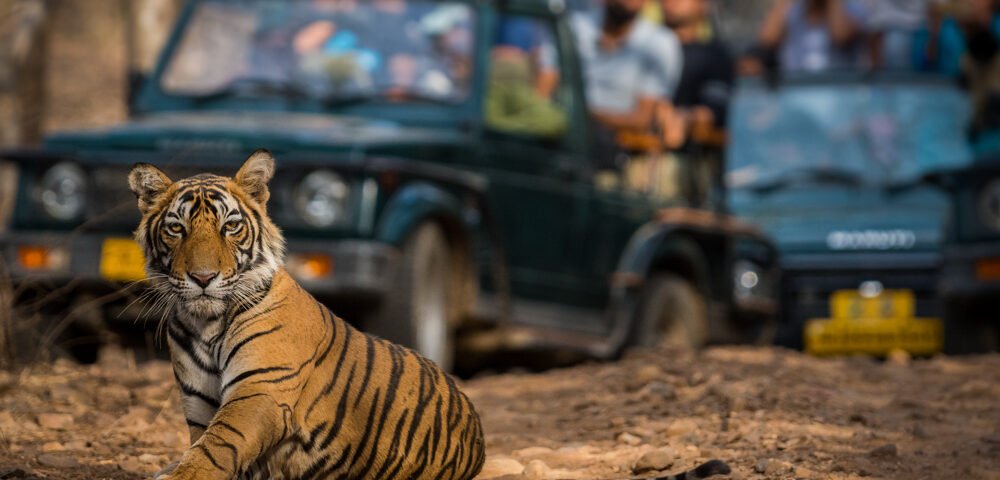
Showstopper A tiger cub at Ranthambore Tiger Reserve, India
Stepping through the gates of Ranthambore National Park in Rajasthan brings a sudden shift in energy. The scent of dry dhok forest, the rustle of fallen leaves beneath vehicle tires, and the sharp alarm call of a spotted deer instantly remind you that you are deep inside royal tiger country. Spread across nearly 1,334 square kilometers, this historic reserve is divided into 10 distinct safari zones to regulate tourist traffic and preserve wildlife habitats. Choosing the right territory can feel overwhelming when planning your expedition. Finding a tranquil, comfortable resort in Ranthambore allows you to rest after long forest drives while expert naturalists help guide your itinerary across these diverse sectors.
Understanding the Division: Core vs. Buffer Zones
The park authorities divide Ranthambore into two primary sectors: Zones 1 through 5, known as the core tourism area, and Zones 6 through 10, designated as buffer regions.
Core zones are famous for their historical tiger territories, ancient ruins, and natural lakes. These areas traditionally see higher demand because they host well-established tiger lines and permanent water holes that draw predators out into the open. Buffer zones, introduced as tourism expanded, feature rugged hills, open grasslands, and riverbeds. While buffer zones generally feel quieter with fewer vehicles, expanding predator populations mean big cats regularly cross these borders, yielding outstanding sightings for patient tracking.
Breakdown of the Top Ranthambore Safari Zones
Zone 1: The Dramatic Entry Corridor
Entered through the historic Singh Dwar gate, Zone 1 features steep cliffs, dry stream beds, and dense forest pockets. Popular hotspots like Tuti Ka Nalla, Amreshwar Dang, and Sultanpur regularly feature active tiger movement. It is also one of the finest zones in the park for spotting leopards resting along high rocky ledges.
Zone 2: The Balanced Wilderness
Zone 2 offers a picturesque landscape dotted with waterholes, narrow valleys, and heritage sites like Jogi Mahal and Phuta Bandha. Because animals gather around these natural water holes, wildlife visibility remains consistently high. It provides a serene, less congested atmosphere while delivering great chances of spotting tigers, sloth bears, and striped hyenas.
Zone 3: The Photogenic Heartland
Widely considered the visual crown jewel of the national park, Zone 3 centers around three breathtaking lakes: Padam Talao, Rajbagh Talao, and Malik Talao. The combination of red sandstone ruins, ancient hunting palaces, and aquatic hunting grounds makes this zone world-famous among nature photographers. Booking a Ranthambore jungle safari that passes through Zone 3 gives visitors front-row seats to tigers patrolling the lake edges or cooling off during warm afternoons.
Zone 4: The Historic Domain
Zone 4 is steeped in safari lore as the legendary territory of Machli, the world’s most famous tigress. Featuring thick tree canopy, historic watchtowers, and natural springs like Lakkad Da and Malik Talao, this sector remains a hotbed for tiger territorial activity. Its dense vegetation creates thrilling tracking scenarios where alarm calls echo across the forest.
Zone 5: The Reliable Tracker’s Favorite
Sharing an entrance gate with Zone 4, Zone 5 extends into Kachida Valley, Dhakda, and Anatpur. Characterized by rolling hills, rocky valleys, and open meadows, it offers exceptional visibility. Tigers frequently move between Zones 4 and 5, making this a highly dependable choice for first-time visitors seeking active big cat sightings.
Zones 6 to 10: The Uncrowded Wilderness
Zones 6 (Kundal) through 10 (Aantri) sit on the opposite side of the park, accessed through local village outskirts.
- Zone 6 offers sweeping grassland vistas framed by high mountain backdrops, ideal for spotting gazelles, birds of prey, and active tiger families.
- Zones 7 & 8 (Chidikho and Balas) present rugged, hilly terrains that favor leopards and adventurous wildlife enthusiasts.
- Zone 9 sits along the Chakal River, providing a quiet landscape known for sloth bear activity, aquatic birds, and territorial male tigers.
- Zone 10 features tranquil forest streams and scenic hills, perfect for birdwatching away from busy main routes.
For larger family groups or travelers seeking a budget-friendly way to explore these expansive landscapes, a canter safari in Ranthambore offers a elevated, 20-seater view over the tall grasses and riverbanks.
So, Which Zone Is Truly the Best?
The answer depends entirely on what you want out of your safari experience:
- For First-Time Visitors & Photographers: Zones 3, 4, and 5 offer the highest concentration of water bodies, heritage backdrops, and historical tiger sightings.
- For Quiet & Diverse Wildlife Viewing: Zones 1 and 2 deliver high tiger potential with lower vehicle density, ideal for observing natural animal behaviors.
- For Birdwatchers & Peace Seekers: Zones 6, 9, and 10 provide tranquil wilderness drives, unique landscapes, and rare bird species.
Field Tips to Maximize Your Safari Sightings
No zone can guarantee a tiger sighting on any given drive, as these magnificent predators roam freely across vast ranges. However, strategic planning drastically improves your odds:
- Plan Multiple Drives: Booking 3 to 4 safaris across different zones gives you a broader sample of the park’s varied habitats.
- Understand Seasonal Shifts: During summer months (April to June), tigers stay near water holes, making core zones around Padam Talao and Rajbagh exceptionally active. In winter (October to March), dry tracks and pleasant morning sun draw cats out onto open trails across all 10 zones.
- Trust Your Guide’s Ear: Listen for langur and deer alarm calls, track fresh pugmarks, and let experienced drivers navigate changing animal movements.
Every zone in Ranthambore holds its own magical story. Whether you find yourself gazing across the lakes of Zone 3 or exploring the quiet grasslands of Zone 6, the wild beauty of Ranthambore Tiger Resort’s surrounding wilderness guarantees an unforgettable jungle adventure.