
Explore Ranthambore in 3 Days: Forts, Lakes & Safaris

Ultimate Udaipur Guide: The Best Months to Explore
August 17, 2026
Visiting Jaisalmer in Winter: Top Reasons
August 17, 2026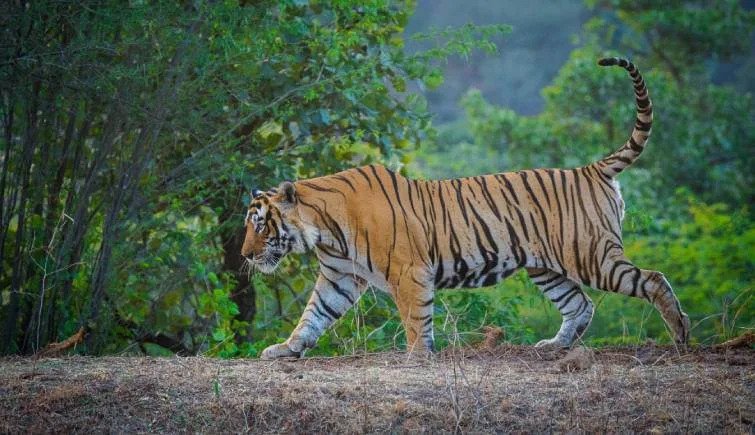
Located at the junction of the ancient Aravalli and Vindhya hill ranges, Ranthambore National Park in Sawai Madhopur, Rajasthan, is one of India’s most celebrated wildlife destinations. Renowned for its thriving population of Royal Bengal tigers, scenic water bodies, and dramatic medieval ruins, the sanctuary offers a captivating mix of nature and history. A well-planned three-day itinerary provides ample time to experience exhilarating game drives, explore a UNESCO World Heritage fort, and take in the serene beauty of the reserve.
Day 1: Arrival, Settling In & Sunset by the Lakes
Your journey begins with your arrival in Sawai Madhopur, easily accessible by rail and road from major hubs like Jaipur, Delhi, and Agra.
After reaching the destination, check in and unwind from your travels. Choosing a well-located resort in Ranthambore allows you to stay close to the park gates while enjoying authentic Rajasthani hospitality, spacious tented stays, and lush garden landscapes.
In the late afternoon, head out for a peaceful excursion to Surwal Lake or the nearby Mansarovar Dam. These scenic freshwater bodies serve as prime birdwatching havens during winter, attracting migratory species such as flamingos, pelicans, painted storks, and spoonbills.
As dusk falls, return to your stay to enjoy a warm campfire and an authentic Rajasthani dinner featuring local specialties like Dal Baati Churma and Ker Sangri. Rest early to prepare for the dawn safari on day two.
Day 2: Forest Safaris & Historic Water Bodies
Day two is dedicated entirely to exploring the rich biodiversity of Ranthambore across two distinct safari shifts.
Morning Safari: Tracking the Apex Predator
Wake up before sunrise for your morning game drive. Booking your jungle safari in Ranthambore in advance ensures you secure your preferred vehicle—an open 6-seater Gypsy for photographers or a 20-seater Canter for larger groups.
As mist lifts from the forest floor, your guide and driver track fresh pugmarks and listen for alarm calls from langurs and spotted deer. While the Royal Bengal tiger is the main draw, keep an eye out for leopards, sloth bears, striped hyenas, sambar deer, and nilgai along the rugged forest paths.
Afternoon Safari: Iconic Lakes & Jogi Mahal
After returning for a hearty breakfast and a midday rest, head out for your afternoon safari in a different sector. Zones 1 through 5 are famous for central water bodies such as Padam Talao, Rajbagh Talao, and Malik Talao.
These lakes are framed by ancient stone pavilions and the historic Jogi Mahal. Marsh crocodiles bask on the mud banks, while herds of sambar graze in the water. Tigers frequently visit these watering holes during the warmer hours of the day. Capture the setting sun reflecting off the water as your vehicle heads back toward the gate.
Day 3: Ranthambore Fort & Local Cultural Heritage
The final day blends panoramic landscapes with centuries of Rajput architecture.
Exploring the 10th-Century Ranthambore Fort
Perched atop a 700-foot cliff inside the national park, Ranthambore Fort dates back to the 10th century and offers breathtaking views of the forest canopy and lakes below.
Climb the stone steps through majestic gateways (Pol) to explore key landmarks:
- Trinetra Ganesh Temple: One of the oldest temples in Rajasthan, receiving thousands of wedding invitations from devotees across the country each year.
- Badal Mahal and Hammir Court: Impressive ruins showcasing historical stone pillars, arched balconies, and royal living quarters.
- Viewpoints: Lookouts across the fort walls that let you spot soaring vultures, eagles, and occasionally wild animals moving along the valley edge below.
Village Crafts and Departure
Before concluding your trip, consider visiting the Ranthambore School of Art or local craft centers run by women’s cooperatives to pick up tiger paintings, block-printed textiles, and handmade souvenirs.
For travelers who prefer a seamless experience with pre-arranged permits, safari vehicles, transfers, and accommodations, opting for comprehensive Ranthambore tour packages ensures every detail of the trip is organized well in advance.
Essential Tips for Visiting Ranthambore
- Best Time to Travel: The park remains open from October 1 to June 30. October to February brings crisp mornings and lush scenery, while March to June offers warmer temperatures and higher tiger sighting chances near shrinking waterholes.
- Permit Documentation: Always carry the exact government-issued photo ID (Passport, Aadhaar, or Driving License) used during safari booking, as forest rangers verify details at every entry gate.
- Safari Clothing: Wear muted, earthy colors like olive green, khaki, brown, and beige to blend into the wilderness. Avoid bright neon shades and strong perfumes.
- Winter Layers: Open-top safari vehicles experience chilly morning wind chills from November through February; pack a windproof jacket, scarf, and warm gloves.