
Complete Guide: Best Time for Ranthambore Tiger Safaris

Best 3-Day Udaipur to Jaipur Sightseeing Tour With Kids
October 17, 2026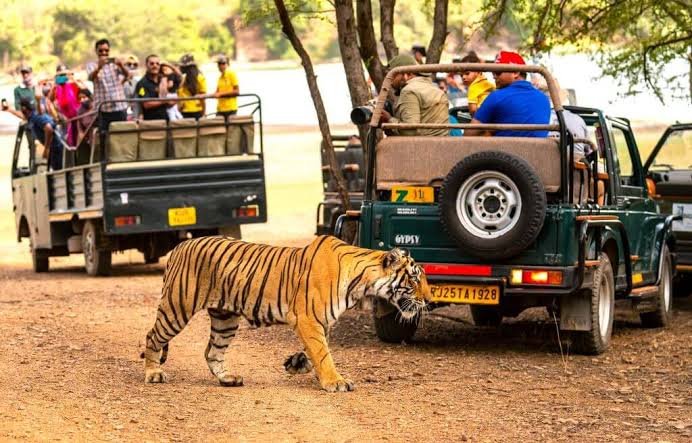
Planning a wildlife expedition into the dry deciduous forests of Ranthambore National Park requires an understanding of regional seasonal transitions, wildlife behaviors, and reserve management policies. Ranthambore Tiger Resort brings years of field expertise, on-ground naturalists, and local hospitality experience to help wildlife photographers and vacationers maximize their sighting probabilities across all zones. Understanding the nuances of each season ensures visitors choose the window best matched to their comfort level and tracking objectives.
Park Operational Schedule and Annual Seasonality
Ranthambore National Park adheres to an annual schedule established by the Rajasthan Forest Department. The core zones of the park (Zones 1 through 5) open on October 1st and close on June 30th every year. During the monsoon months of July, August, and September, these core areas undergo habitat rejuvenation, trail repairs, and wildlife breeding monitoring, while buffer zones (Zones 6 through 10) frequently remain accessible depending on weather conditions. Planning around this conservation calendar is essential for securing permits in your preferred sector.
Autumn Reopening: October to November
The beginning of the tourism season in October marks an energetic phase across the landscape. The post-monsoon period leaves the terrain lush, waterholes brim to capacity, and the Aravali-Vindhya hill ranges display dense greenery. Tigers during this window often traverse higher ridges and fire lines to navigate drying paths.
While high foliage makes spotting predators slightly more challenging, autumn provides stunning backdrops for landscape photography, clear morning atmospheres, and active migratory bird arrivals around lakes like Padam Talao and Rajbagh. The mild weather makes day journeys comfortable, though tracking requires patient observation of alarm calls and fresh pugmarks.
Winter Wildlife Tracking: December to February
Winter brings crisp mornings and temperate afternoons, establishing this phase as a favored window for domestic and international travelers alike. Morning game drives feature misty vistas across historic ruins and forest clearings, where temperatures regularly drop between 8°C and 12°C.
During these chilly hours, Royal Bengal Tigers and leopards frequently emerge onto open tracks, stone bunds, and sunlit forest edges to regulate their body temperature. Because daylight hours are pleasant, apex predators often remain active across morning and afternoon shifts instead of retreating deep into thickets. Winter also coincides with peak resident bird interactions and stable mammal congregation around perennial water sources, offering well-rounded game viewing across all operational zones.
Pre-Summer and Peak Heat: March to June
As temperatures rise from March onward, the wilderness undergoes a dramatic environmental shift. Foliage drops, grass dries to a pale golden shade, and smaller streams vanish under the dry heat. By May and June, ambient temperatures exceed 40°C, causing wildlife movements to concentrate around surviving natural reservoirs, man-made masonry troughs, and shady ravines.
For dedicated wildlife enthusiasts and professional photographers, the summer window yields the highest sighting probabilities. Big cats visit major lakes and water holes multiple times per day to cool off and wait for prey. Naturalists recommend booking a private jeep safari in Ranthambore for these months, as smaller vehicles provide nimble maneuvering along riverbeds and quiet vantage points where big cats seek refuge from the afternoon sun.
Seasonal Comparison for Safari Planning
Selecting the ideal dates depends on individual priorities, whether they involve scenic surroundings, temperate weather, or tracking efficiency:
- October to November: Vibrant green landscapes, active birdwatching, pleasant daytime temperatures, moderate wildlife visibility.
- December to February: Crisp mornings, comfortable daylight hours, regular basking behavior along open paths, high overall visitor demand.
- March to April: Warming temperatures, thinning undergrowth, increasing predator movement around central lakes, excellent lighting for photography.
- May to June: High heat indices, minimal foliage obstruction, predictable sightings concentrated around waterholes, prime season for wildlife documentary makers.
Permit Bookings and Safari Dynamics
Entry permits for Ranthambore are regulated strictly by state wildlife authorities, with vehicle quotas distributed across morning and afternoon shifts. Choosing between morning and evening shifts varies by season: winter mornings excel as tigers warm themselves in sunlight, whereas summer afternoons produce dramatic sightings near deep water pools just before sunset. Booking several months in advance is recommended to ensure access to your preferred zones and safari shifts.
Field Logistics and Accommodations
A successful expedition relies heavily on a secure base that understands field timing and local park protocols. Staying at a dedicated luxury resort in Ranthambore allows travelers to unwind in quiet comfort between game drives, review safari footage, and consult with local naturalists regarding recent tiger movements across individual zones. Ranthambore Tiger Resort combines local expertise with well-appointed amenities, ensuring every safari day is structured around reliable forest insights, punctual gate transfers, and mindful wildlife ethics.