
The Complete Guide to Laser Facial Contouring Steps

How to Choose the Best Corporate Event Venues in Gandhinagar
August 19, 2026
How to Spend 2 Days in Jaisalmer: Full Sightseeing Plan
August 24, 2026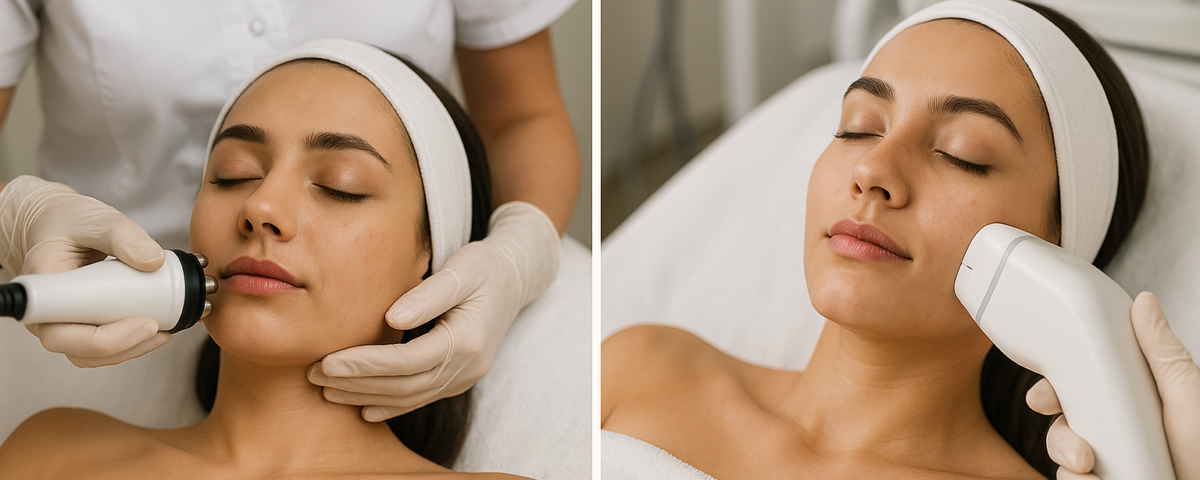
Facial contouring has evolved beyond invasive surgical procedures. Today, non-invasive optical energy technologies allow practitioners to sculpt jawlines, tighten sagging submental tissue, and restore balanced volume with minimal downtime. At Rania Aesthetic Studio, clinical aesthetics combine medical precision with tailored aesthetic mapping to provide safe, natural-looking structural enhancements.
Understanding Laser Facial Contouring
Laser facial contouring utilizes targeted thermal wavelengths to penetrate the subdermal layers of the skin. This controlled thermal energy creates micro-zones of coagulation within the deep dermis and superficial musculoaponeurotic system (SMAS).
The heat response triggers a biological process called neocollagenesis. Fibroblasts begin synthesizing fresh collagen and elastin fibers, which contract existing loose skin and gradually firm the tissue architecture over time. Patients seeking structured facial rejuvenation often select specialized laser treatment in Sugarland to address laxity along the cheeks, jowls, and neck without surgical incisions.
Step 1: Clinical Consultation and Facial Mapping
Every successful aesthetic procedure begins with a detailed anatomical evaluation. During this initial stage, the practitioner evaluates skin thickness, elasticity, bone structure, and the degree of localized volume depletion or fat accumulation.
- Photographic documentation is conducted from standard medical angles (frontal, oblique, and lateral) to track structural progress.
- The skin profile is categorized using the Fitzpatrick phototype scale to select appropriate energy parameters and avoid hyperpigmentation.
- The patient’s medical history is reviewed, specifically screening for active dermal infections, photosensitizing medications, or tendencies toward hypertrophic scarring.
- Aesthetic zones—including the zygomatic arch, mandibular angle, and submental region—are mapped using surgical skin markers to direct the precise path of energy delivery.
Step 2: Skin Cleansing and Topical Preparation
Proper epidermal preparation is critical to ensure uniform energy transmission and patient safety.
- The treatment area is thoroughly cleansed to remove oil, makeup, environmental residue, and dead skin cells.
- A medical-grade topical anesthetic cream is applied to the mapped treatment zones roughly 30 to 45 minutes before the session to ensure maximum comfort.
- Once numbness is achieved, the skin is sterilized with an antiseptic solution.
- Protective medical eyewear is secured on the patient to shield ocular structures from specific laser wavelengths.
Step 3: Targeted Energy Application and Layered Contouring
The procedural phase delivers measured pulses of light directly to the target tissue. The clinician calibrates pulse duration, spot size, and fluence according to the specific depth of the target anatomy.
- Subdermal Heating: The handpiece passes over the mapped zones in smooth, overlapping vectors. Surface temperature sensors continuously monitor the skin to maintain optimal collagen-induction temperatures between 40°C and 43°C while preventing thermal injury.
- Structural Vectoring: Pulses are applied along tension lines—from the oral commissure toward the tragus and along the inferior border of the mandible—to achieve a visible lifting effect.
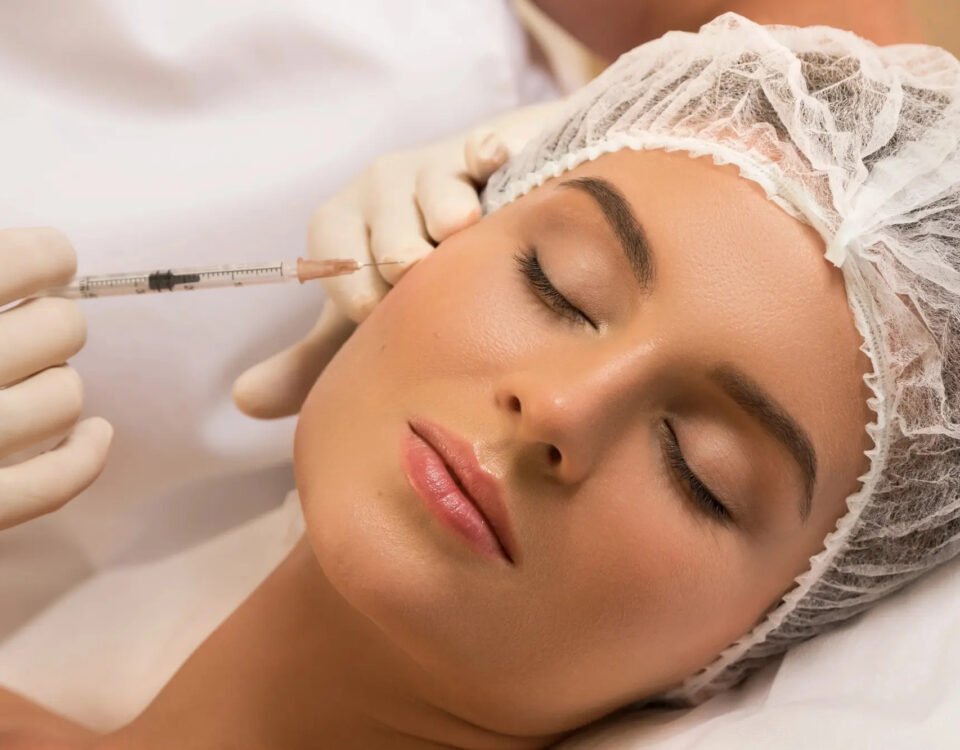
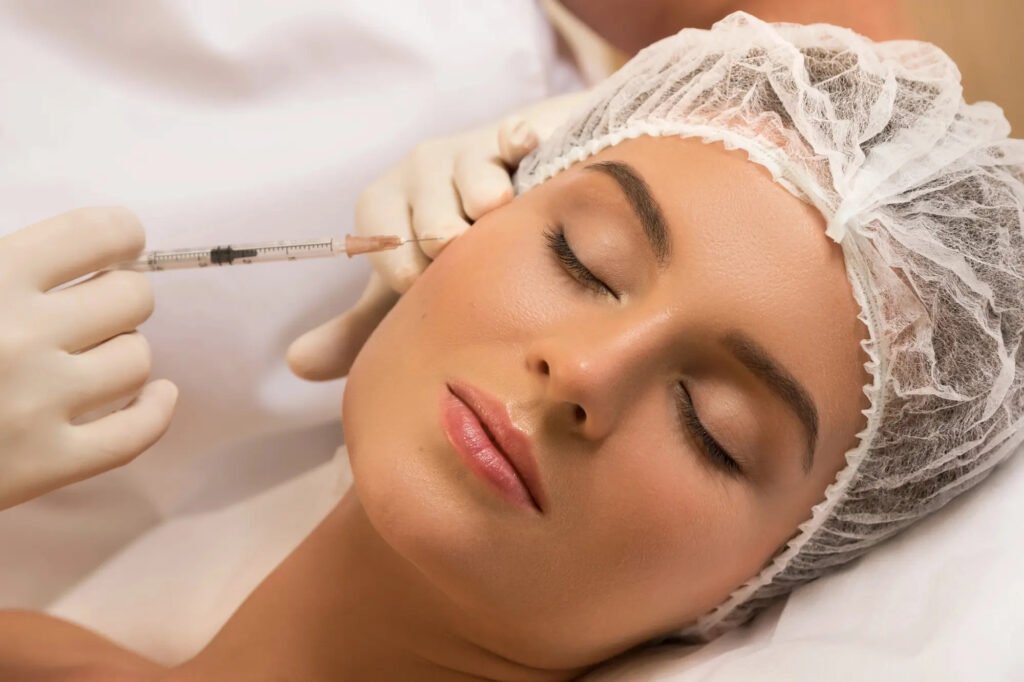
- Hybrid Structural Support: When severe volume depletion accompanies skin laxity, protocols can combine deep biostimulation with targeted injectables. Opting for a comprehensive dermal filler laser teatment in Sugarland allows practitioners to restore foundational mid-face projection while tightening the overlying dermis.
Step 4: Post-Procedure Soothing and Barrier Protection
Immediately following energy delivery, the treated skin requires gentle cooling and barrier stabilization to manage transient erythema and localized warmth.
- Cold air devices or chilled, sterile hydrogel compresses are applied to dissipate residual heat gently from the epidermal layers.
- A peptide-infused soothing serum and medical-grade ceramide barrier cream are applied to seal in hydration and support cellular repair.
- A broad-spectrum physical sunscreen containing zinc oxide and titanium dioxide is layered over the skin to defend against post-inflammatory pigmentation.
Step 5: Aftercare and Clinical Follow-Up
The recovery process for non-ablative contouring is straightforward, yet strict adherence to post-treatment instructions preserves structural results.
- Avoid vigorous exercise, saunas, hot tubs, and direct high-temperature exposure for the first 24 to 48 hours.
- Cleanse with lukewarm water and a gentle, non-foaming cleanser; avoid active retinoids, AHA/BHA exfoliants, and alcohol-based toners for one week.
- Apply mineral-based broad-spectrum SPF 50 daily to protect newly generated dermal tissues from UV degradation.
- Attend a follow-up assessment at 4 to 6 weeks to evaluate collagen remodeling, measure mandibular definition, and schedule any maintenance sessions needed for optimal long-term support.