
Which Animation Style Fits Your Brand: 2D or 3D?

Plan the Ultimate Family & Friends Party in Gandhinagar
August 27, 2026
What to Expect Before and After Facial Laser Resurfacing
August 29, 2026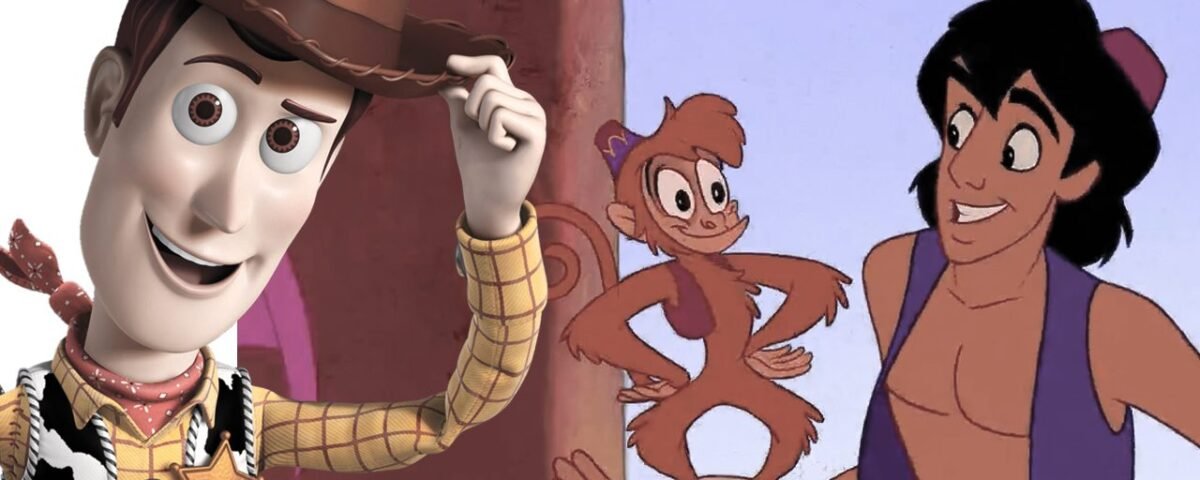
Visual storytelling is one of the most effective ways for brands to capture attention, explain complex concepts, and build strong emotional connections with audiences. As businesses compete across digital platforms, incorporating dynamic motion graphics and animated media has shifted from being optional to essential. Choosing between 2D and 3D animation shapes your brand identity, production budget, timeline, and overall marketing impact.
Understanding 2D Animation
2D animation involves creating movement in a two-dimensional space where characters and backgrounds possess height and width without depth. This style encompasses traditional frame-by-frame illustration, digital vector animation, motion graphics, and whiteboard drawing styles.
Key Characteristics of 2D Animation
- Simplicity and Clarity: Flat vector shapes and clean line art make it straightforward to present core brand messaging without visual clutter.
- Warmth and Nostalgia: The hand-crafted aesthetic evokes classic storytelling, fostering an immediate sense of approachability and trust.
- Faster Turnaround: Building assets and animating flat objects generally requires shorter production cycles compared to spatial modeling.
- Cost Efficiency: Lower computational demands and streamlined asset pipelines make 2D a practical choice for high-volume content strategies.
Best Brand Use Cases for 2D
2D motion design is ideal for explainer videos, educational platforms, mobile app onboarding, SaaS product walkthroughs, and social media micro-content. If your brand voice is friendly, educational, minimalist, or conversational, 2D animation communicates your value proposition directly. Aspiring creators looking to master these foundational design principles often begin by enrolling in a Top animation course in udaipur to understand character rigging, storyboarding, and vector motion graphics.
Understanding 3D Animation
3D animation introduces spatial depth, realistic lighting, material textures, and camera perspective. Characters, products, and environments are sculpted as digital geometric meshes that move within a simulated three-dimensional environment.
Key Characteristics of 3D Animation
- Photorealism and Depth: Accurate reflections, dynamic shadows, and physical simulations deliver an immersive visual experience.
- Dynamic Camera Angles: Digital scenes allow for sweeping pans, 360-degree rotations, and cinematic perspectives around subjects.
- Asset Reusability: Once a 3D asset or character rig is modeled and textured, it can be repurposed across multiple campaigns, interactive applications, or virtual environments.
- High Production Value: The technical sophistication of 3D visuals elevates perceived brand authority, prestige, and market positioning.
Best Brand Use Cases for 3D
3D animation shines in automotive showcases, real estate visualizations, medical technology simulations, consumer electronics demonstrations, and cinematic advertising. When a product features intricate internal mechanics or tactile surfaces that customers need to inspect before buying, 3D provides total clarity. Professionals who want to lead high-end commercial productions and cinema-grade visual effects frequently pursue a comprehensive VFX Film Making Degree course in Udaipur to develop advanced skills in modeling, texturing, dynamic simulations, and compositing.
Direct Comparison: 2D vs. 3D Animation
Evaluating key operational and creative factors helps determine the ideal approach for your marketing goals:
| Evaluation Factor | 2D Animation | 3D Animation |
| Production Speed | Rapid asset creation and faster rendering | Extended pipelines for modeling, texturing, and rendering |
| Budget Requirements | Budget-friendly and cost-effective | Higher investment for complex rendering and specialized talent |
| Visual Depth | Flat perspective with stylized layouts | Realistic perspective with volumetric lighting and materials |
| Brand Tone | Approachable, educational, minimalist, creative | Sophisticated, high-tech, cinematic, authoritative |
| Product Representation | Conceptual and symbolic depictions | Exact physical replicas and internal cross-sections |
Strategic Decision Matrix for Your Brand
To select the right animation medium, align your choice with your operational realities and strategic objectives:
1. Define Your Core Audience and Industry
B2B software platforms, financial institutions, and community services benefit from the clean simplicity of 2D motion graphics. Industrial manufacturers, luxury goods brands, gaming studios, and hardware developers benefit from the realism and polish of 3D modeling.
2. Assess Your Production Timeline
If you need to launch a quick social media campaign or iterate rapidly based on market feedback, 2D animation provides the agility required for fast delivery. For cornerstone brand films or product launches with extended preparation phases, the longer development cycle of 3D animation yields lasting visual impact.
3. Match the Style to Your Brand Voice
A traditional or artisanal brand often aligns with the organic, illustrative warmth of 2D art. A disruptive tech enterprise focused on engineering excellence or futuristic design achieves better synergy through sleek, dimensional 3D environments.
Hybrid Approaches and Modern Trends
Modern branding does not always require an exclusive choice between 2D and 3D. Many forward-thinking studios blend both styles, using 2D stylistic shading over 3D models or integrating 2D typography into 3D cinematic spaces. Finding the right balance ensures your message resonates clearly, reinforces your market authority, and drives meaningful customer engagement.