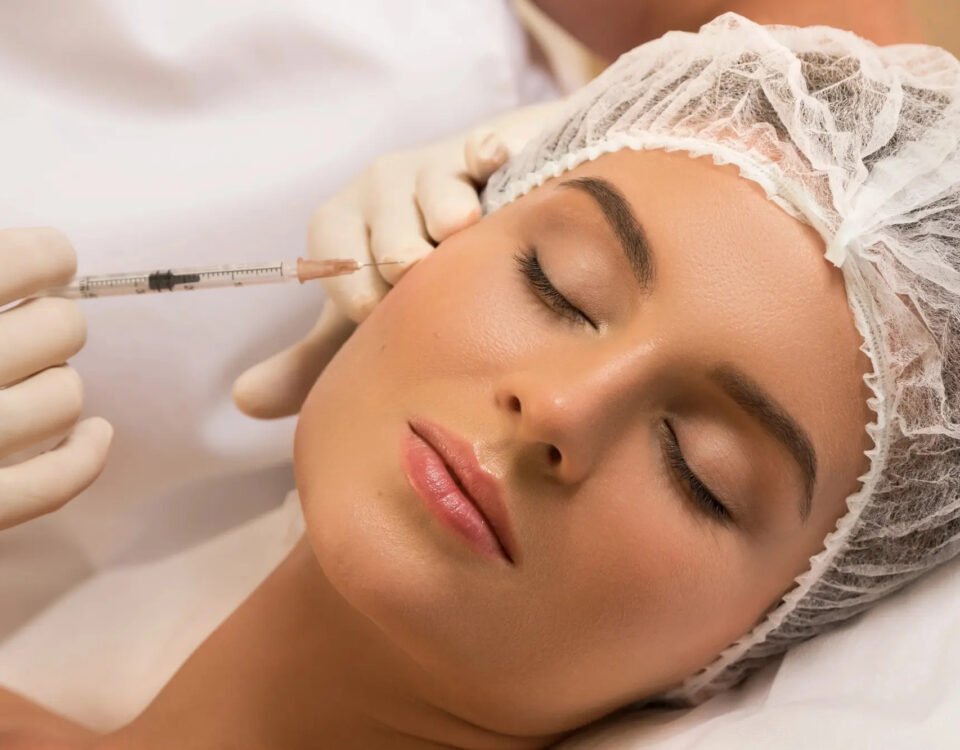

What to Expect Before and After Facial Laser Resurfacing

Which Animation Style Fits Your Brand: 2D or 3D?
August 29, 2026
Thrilling Desert Adventures at Sam Sand Dunes
August 31, 2026
Facial laser resurfacing is one of the most effective clinical procedures available today for reversing visible signs of aging, sun damage, acne scarring, and uneven skin texture. By using concentrated beams of light energy to remove damaged outer layers of skin and stimulate deep collagen production, this treatment encourages the skin to regenerate from within. However, achieving remarkable, radiant results depends not only on the technology used during the procedure, but also on strict adherence to clinical preparation and aftercare protocols.
Whether you are looking to smooth fine lines or address specific vascular concerns, understanding the full treatment timeline ensures a safe recovery and optimal aesthetic outcomes. At Rania Aesthetic Studio, client safety, scientific precision, and personalized treatment planning are at the core of every procedure.
Understanding Facial Laser Resurfacing Technology
Laser resurfacing falls into two primary categories: ablative and non-ablative. Ablative lasers work by vaporizing thin outer layers of damaged skin, making them ideal for deeper wrinkles, prominent scars, and significant photoaging. Non-ablative lasers, on the other hand, bypass the skin surface to heat the underlying dermal tissue, triggering natural healing and collagen remodeling with significantly less downtime.
Modern aesthetic platforms also include specialized vascular and pigment modalities designed to target specific chromophores such as hemoglobin and melanin. Patients seeking a targeted Diffuse Facial Redness treatment in Sugar Land often benefit from these precise wavelengths, which gently coagulate enlarged micro-vessels beneath the skin without damaging surrounding tissue.
How to Prepare Before Your Laser Session
Thorough preparation prepares your skin to heal efficiently and minimizes the risk of post-inflammatory hyperpigmentation or prolonged erythema. During your initial consultation, a thorough skin assessment determines the proper laser settings for your specific skin type and aesthetic goals.
- Avoid Direct Sun Exposure: Discontinue intentional tanning, outdoor sunbathing, and tanning beds for at least four weeks prior to treatment. Sun-exposed skin contains active melanocytes, which increase the risk of pigmentation complications.
- Pause Active Topicals: Stop using prescription retinoids, over-the-counter retinol, glycolic acid, salicylic acid, and other exfoliating agents five to seven days before your appointment.
- Manage Medications and Supplements: Inform your practitioner of all medications you take. Blood-thinning supplements such as fish oil, vitamin E, ginkgo biloba, and ibuprofen should generally be paused a week in advance to reduce bruising risks.
- Pre-Treat Prone Skin: If you have a history of oral herpes or cold sores, your provider may prescribe a prophylactic antiviral medication to take prior to the procedure, as laser energy can trigger flare-ups.
What Happens During the Procedure
On the day of your treatment, your skin is thoroughly cleansed of all oils, makeup, and debris. A topical numbing cream is applied to the treatment area for thirty to forty-five minutes to ensure comfort throughout the session.
Once the skin is desensitized, your provider glides the specialized handpiece across the designated treatment zones. Patients receiving an advanced laser treatment in Sugar land experience a mild warming sensation or a snapping feeling against the skin. Protective eyewear is worn throughout the entire session. Depending on the surface area being treated, the active laser phase typically takes between twenty and forty-five minutes.
The Post-Treatment Recovery Phase
The immediate post-laser period involves predictable stages of healing. Knowing what to anticipate each day eliminates guesswork and prevents accidental damage to fragile, newly forming skin.
Days 1 to 3: Immediate Redness and Swelling
Immediately after treatment, your skin will feel warm and tight, comparable to a moderate-to-severe sunburn. Mild swelling, particularly around the eyes and cheekbones, is normal. Applying clean, cool compresses and sleeping with your head elevated on two pillows helps reduce fluid retention. During these first few days, use only gentle, non-foaming cleansers and approved clinical barrier creams.
Days 4 to 7: Peeling and Texture Changes
As new epidermal cells migrate to the surface, the older, damaged skin will begin to feel rough and flake away. It is vital that you allow this process to happen naturally. Never pick, peel, scrub, or mechanically exfoliate the flaking skin, as premature removal can cause scarring or hyperpigmentation. Continue keeping the skin thoroughly hydrated with your recommended post-procedure balms.
Weeks 2 and Beyond: Radiance and Collagen Remodeling
By the second week, initial redness subsides, revealing smoother, more evenly toned skin underneath. While the surface appears refreshed early on, the deeper structural benefits—such as increased firmness and collagen density—continue to develop over the following three to six months.
Essential Long-Term Aftercare Rules
- Broad-Spectrum Sun Protection: Apply a mineral-based sunscreen with SPF 30 or higher every morning, even on cloudy days, and reapply every two hours when outdoors.
- Hydration and Barrier Support: Use gentle formulations containing ceramides, hyaluronic acid, and peptides to support the skin lipid barrier.
- Gradual Reintroduction of Actives: Wait until your provider gives clearance—typically two to three weeks post-treatment—before reintroducing acids, scrubs, or retinoids into your regimen.
Investing in facial laser resurfacing provides transformative, long-lasting rejuvenation when paired with proper clinical guidance and dedicated aftercare. Consulting with experienced aesthetic professionals ensures your treatment plan is tailored precisely to your skin profile for safe, beautiful results.