

Marble vs Granite: Which Suits Your Home Best?

Should You Visit Ranthambore in the Rainy Season?
August 31, 2026
Jaipur to Pushkar Trip: Easy Step-by-Step Travel Guide
August 31, 2026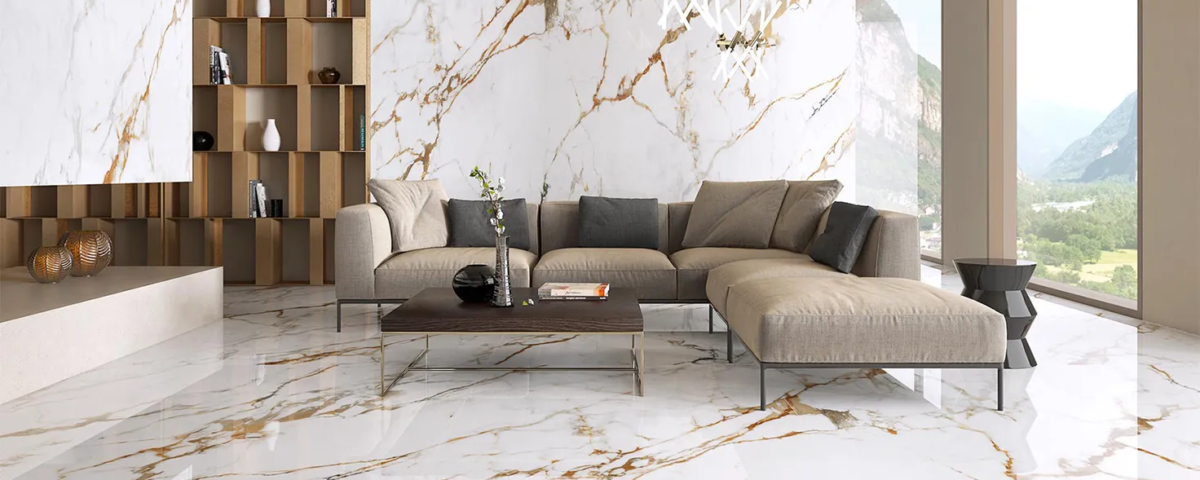
Choosing natural stone for residential architecture requires balancing visual elegance with long-term functional performance. Homeowners, interior designers, and structural architects often debate between marble and granite when planning kitchen countertops, living room flooring, bathroom vanities, and exterior features. Both materials originate deep within the Earth, yet their geological formation creates distinct differences in density, porosity, durability, and maintenance.
Geological Formation and Material Characteristics
Marble forms as a metamorphic stone derived from limestone subjected to intense heat and tectonic pressure. This geological process recrystallizes calcite, producing delicate veining patterns and a soft, luminous surface. Because of its mineral structure, marble remains relatively soft and porous compared to igneous stones.
Granite develops from the slow cooling of magma beneath the continental crust. Composed primarily of quartz, feldspar, and mica, it is an exceptionally hard and dense igneous rock with a granular, crystalline texture. Understanding these core material differences helps property owners select the right stone for specific living areas based on expected foot traffic and exposure to moisture.
Aesthetic Appeal and Visual Profiles
The visual profile of marble is defined by timeless luxury. High-end residential interiors frequently utilize white, beige, and grey varieties with flowing veins to create seamless waterfall islands, elegant foyers, and spa-style bathrooms. The subtle translucency of marble reflects light, brightening enclosed spaces and adding architectural value.
Granite offers a rich, speckled texture with a diverse spectrum of deep blacks, earthy browns, vibrant greens, and speckled whites. Its distinct crystalline flecks create visual depth, making it suitable for both modern contemporary interiors and rustic architectural styles. While marble delivers classic minimalism, granite provides bold, textured character across large surface areas.
Durability, Scratch Resistance, and Heat Tolerance
Durability is a primary consideration for residential surfaces:
- Hardness and Scratch Resistance: Granite rates around 6 to 7 on the Mohs hardness scale, making it highly resistant to scratches from cutlery and daily utensils. Marble rates around 3 to 4, meaning sharp objects can leave visible surface marks if cutting boards are not used.
- Heat Endurance: Both stones handle high temperatures exceptionally well. Granite easily withstands hot cookware placed directly on its surface. Marble resists heat without warping, though rapid temperature shifts can cause localized discoloration over time.
- Impact Strength: Due to its dense crystalline matrix, granite exhibits superior impact strength, resisting chipping along edges and corners in busy family kitchens.
Porosity, Staining, and Acid Sensitivity
The porosity of natural stone determines how it interacts with liquids, oils, and household cleaners:
- Porosity and Liquid Absorption: Marble is inherently more porous than granite. Spills such as red wine, coffee, and cooking oils can penetrate unsealed marble pores, leading to permanent discoloration beneath the polished finish.
- Acid Etching: Calcite-based marble reacts chemically with acidic substances like lemon juice, vinegar, and tomato sauces. This chemical reaction causes etching, leaving dull patches on polished surfaces.
- Granite Resilience: Granite absorbs minimal liquid and does not react to acidic household foods, making it the preferred surface for high-volume food preparation areas.
Maintenance Routines and Surface Care
Maintaining natural stone surfaces preserves their structural integrity and polished finish over decades of residential use:
- Sealing Requirements: Both stones require regular sealing to protect against moisture intrusion. Marble typically requires sealing every 6 to 12 months, whereas dense granite can remain protected for up to 2 years between sealing applications.
- Cleaning Methods: Daily cleaning for both stones should be performed using warm water and pH-neutral stone soap. Abrasive scouring pads, bleach, and citrus-based cleansers should always be avoided.
- Restoration: If marble suffers minor scratches or etching, professional stone technicians can hone and re-polish the surface to restore its original luster.
Ideal Residential Applications
Selecting between these two stones depends on the specific room requirements and expected usage levels:
- Kitchen Countertops and Islands: Granite serves as the practical choice for primary kitchen worktops due to its resistance to heat, stains, and daily wear.
- Bathroom Vanities and Shower Walls: Marble thrives in master bathrooms, powder rooms, and wall cladding where contact with acidic foods is nonexistent.
- Flooring and Entryways: Marble flooring creates a grand impression in formal living spaces, while granite provides non-slip, scratch-resistant flooring in high-traffic hallways and patios.
- Fireplace Surrounds: Both materials excel around fireplaces, handling ambient heat while serving as striking architectural focal points.
Sourcing High-Quality Stone for Residential Projects
Global architectural standards demand premium-grade natural stone cut to precise slab dimensions. Sourcing materials through an experienced marble exporter in India ensures authentic geological selection, structural stability, and uniform slab thickness.
For projects prioritizing hardness and resilience, collaborating with a dedicated granite exporter in India guarantees access to dense, professionally quarried blocks suited for demanding architectural specifications. Galaxy Exports delivers comprehensive stone solutions that meet international quality standards across global building projects.
Final Selection Strategy
Choosing between marble and granite ultimately comes down to location and lifestyle. Homeowners seeking timeless luxury, smooth veining, and classical design will find marble unmatched for bathrooms, feature walls, and low-impact surfaces. Property owners demanding robust durability, scratch resistance, and low-maintenance longevity will find granite the superior material for kitchens, flooring, and busy family spaces. Assessing daily use, maintenance commitment, and personal aesthetic preferences ensures the selected stone enhances the beauty and value of your home for decades.