

How Biostimulators Rebuild Skin Collagen for Lasting Glow

Jaipur & Pushkar Sightseeing: Complete Travel Guide
September 17, 2026
Best Famous Tourist Places in Abu Road
September 18, 2026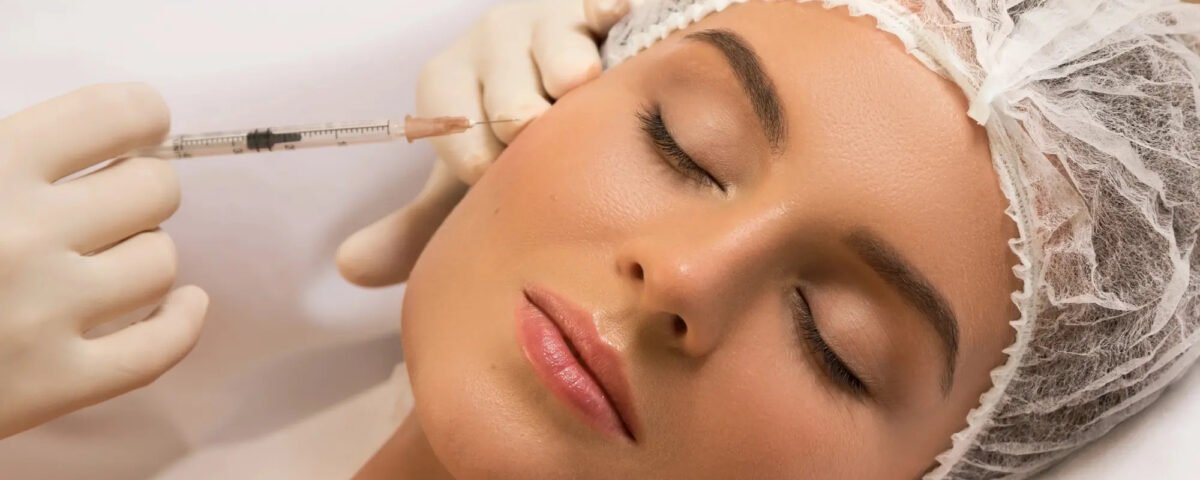
Collagen depletion is one of the most significant biological drivers behind skin laxity, fine lines, and diminished radiance. Starting in our mid-twenties, the body produces roughly one percent less collagen each year. By mid-adulthood, structural proteins degrade faster than the dermis can replace them, leading to hollowed contours and crepey surface texture. While topical regimens provide essential surface hydration and barrier support, they cannot reach the deeper reticular dermis where structural integrity is manufactured. Modern regenerative aesthetic medicine addresses this fundamental challenge from within through cellular stimulation.
The Biological Architecture of Dermal Collagen
The extracellular matrix consists primarily of type I and type III collagen fibers, elastin, and hyaluronic acid. Type I collagen provides tensile strength and structural scaffolding, while type III provides elasticity and suppleness. Fibroblasts are the specialized cells responsible for synthesizing these proteins.
Over time, intrinsic chronological aging and extrinsic factors such as ultraviolet exposure, glycation, and oxidative stress render fibroblasts dormant. As fibroblast activity declines, the collagen network fragments. Restoring natural skin firmness requires reviving these quiescent cells rather than merely supplementing temporary volume.
How Biostimulators Differ From Traditional Dermal Fillers
Standard cosmetic injectables such as hyaluronic acid fillers act primarily as physical space-occupiers. They draw water to a localized area to immediately lift folds, restore volume, or sculpt facial contours. While highly effective for targeted volumetric adjustments, traditional fillers do not fundamentally alter the metabolic behavior of the dermis. Once the body metabolizes the hyaluronic acid gel over six to twelve months, the underlying tissue returns largely to its baseline architecture.
Biostimulators represent a different clinical philosophy. Instead of acting as passive implants, biostimulatory compounds function as biological triggers. Formulations derived from poly-L-lactic acid, calcium hydroxylapatite, or polynucleotides elicit a controlled cellular response. When micro-injected into the subdermal layer, these biocompatible microparticles trigger subclinical neocollagenesis. Fibroblasts migrate to the area, wrap around the microparticles, and progressively deposit fresh bundles of type I collagen. The product itself gradually breaks down through natural metabolic pathways into harmless water and carbon dioxide, leaving behind a reinforced mesh of the patient’s own organic tissue.
The Mechanism of Neocollagenesis and Cellular Remodeling
The regenerative cascade initiated by biostimulation unfolds over several distinct phases. During the initial introductory period, the carrier solution provides modest hydration and tissue support. Over the subsequent four to twelve weeks, macro-phages and fibroblasts interact with the micro-spheres.
This sustained micro-activation prompts fibroblasts to upregulate collagen gene expression. The newly formed collagen undergoes maturation, aligning along native tension lines to tighten skin, soften static wrinkles, and restore dermal density. Because the structural improvement arises entirely from endogenous tissue, results develop gradually, creating a natural and refreshed appearance rather than an artificial or overfilled look.
Synergy Between Biostimulation and Energy-Based Devices
In modern aesthetic practice, clinical outcomes improve significantly when biostimulatory agents are integrated with complementary modalities. Energy-based systems create controlled thermal micro-injuries in the epidermis and upper dermis, prompting rapid wound-healing responses, while injectable biostimulators reinforce the deep structural framework.
Patients seeking deep architectural firming combined with refined surface texture often benefit from pairing injectable protocols with a targeted biostimulator laser treatment in Sugar Land. Combining these therapies targets the complete dermal continuum: lasers refine surface texture, minimize pore diameter, and clear pigmentary irregularities, while biostimulators reconstruct the underlying matrix.
Furthermore, advanced fractional technologies provide substantial surface resurfacing. Selecting a specialized laser treatment in Sugar Land allows practitioners to address photodamage, uneven tone, and fine surface wrinkling simultaneously, creating an optimal biological environment for long-term dermal renewal.
Clinical Expectations and Longevity
Because biostimulators depend on active biological processes rather than instant physical volume, optimal results require patience and proper treatment planning.
- Initial treatment protocols typically involve one to three sessions spaced four to six weeks apart, depending on age, baseline skin laxity, and metabolic rate.
- Collagen deposition begins within several weeks, with peak clinical outcomes visible between three and six months post-procedure.
- Because the newly synthesized collagen network becomes part of your own living tissue, improvements typically endure for eighteen to twenty-four months or longer.
- Maintenance sessions performed annually ensure ongoing fibroblast stimulation and counteract ongoing chronological collagen breakdown.
Maintaining Your Regenerative Results
Maximizing the lifespan of newly synthesized collagen involves supporting cellular health from both the inside and outside. Patients should maintain rigorous daily application of broad-spectrum SPF to protect nascent collagen fibers from photodegradation. Incorporating evidence-based topical antioxidants like L-ascorbic acid shields cells from environmental free radicals, while topical retinoids promote continuous epidermal turnover. When combined with adequate internal hydration and clinical care from experienced aesthetic practitioners, biostimulation provides a sustainable foundation for resilient, radiant, and naturally youthful skin.